












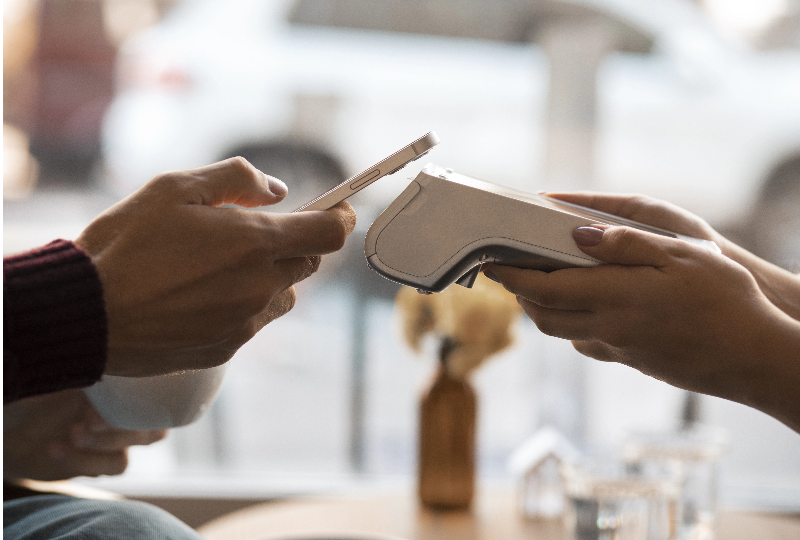



For banks, acquirers, and digital wallet companies, selecting payment devices for large-scale merchant deployment requires careful evaluation beyond the initial purchase price. A QR payment soundbox is not simply a speaker that announces transactions; it is a key terminal connecting merchants, payment platforms, and end users.
When thousands of devices are deployed across different locations, hardware reliability, connectivity stability, and management efficiency directly influence long-term operating costs. BHZ payment solutions provide QR payment devices designed for scalable digital payment applications.

Why Price Should Not Be the Only Factor in Bulk Procurement
When organizations purchase payment terminals in large quantities, controlling procurement costs is important. However, focusing only on the lowest unit price may create additional challenges during deployment and operation.
For banks, acquirers, and digital wallet companies, payment devices are often distributed to a large number of merchants. These terminals need to operate consistently in different environments while supporting transaction confirmation. If devices have poor hardware performance, unstable connectivity, or limited service support, the cost of maintenance and replacement may increase over time.
A suitable QR payment soundbox should provide stable performance throughout its service lifecycle. Clear payment notifications, dependable network communication, and convenient operation are essential for merchants who rely on these devices every day.
Bulk procurement decisions should therefore consider the overall value of the terminal, including hardware quality, deployment efficiency, and operational management. A device with better specifications may help reduce future maintenance requirements and improve merchant satisfaction.
For payment service providers, the goal is not only to deliver devices but also to establish a reliability-focused payment infrastructure. This requires evaluating whether the selected terminal can support large-scale deployment and long-term operation.
Core Hardware Features of BHZ QR Payment Soundbox
A reliability-focused payment soundbox combines multiple hardware components to support merchant operations. When evaluating products for large-scale deployment, enterprises should pay attention to the speaker, display, payment functions, connectivity, and battery performance.
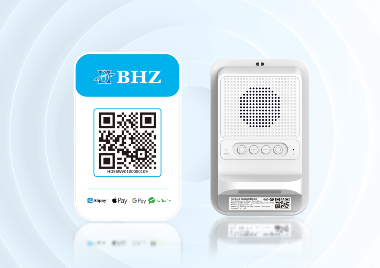
The speaker is an important component in payment soundbox design because voice confirmation can serve as a primary interaction method for many merchants. A high-quality speaker should provide clear transaction notifications so merchants can quickly identify successful payments even in busy environments.
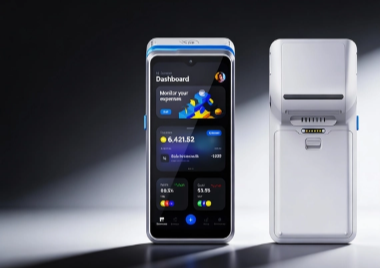
The display provides additional information beyond audio notifications. Depending on the product design, the screen can show transaction status, operational messages, or other service information. This improves usability by giving merchants another way to verify payment results.
QR and NFC capabilities expand payment flexibility. QR payment functions allow merchants to accept digital payments through commonly used payment methods, while NFC enables contactless transaction options. Supporting multiple payment methods helps payment providers serve different merchant requirements.
Connectivity is another key hardware consideration. Stable communication is necessary for transmitting transaction information and maintaining payment service availability. BHZ QR payment solutions support 4G connectivity options, helping terminals maintain connectivity with a focus on reliability in different deployment environments.
Battery performance also affects daily usage experience. Many merchants require flexible device placement rather than fixed installation. A suitable battery design allows terminals to operate during business hours while reducing charging frequency.
When selecting a QR payment speaker, enterprises should evaluate these hardware features together. A balanced design helps create payment experiences with a focus on reliability and supports efficient merchant operations.
Pre-Configured Connectivity for Streamlined Merchant Deployment
For large-scale payment projects, deployment efficiency is an important consideration. Banks, acquirers, and digital wallet companies may need to distribute thousands of terminals to merchants within a limited timeframe. Simplifying installation and activation processes can significantly improve rollout efficiency.
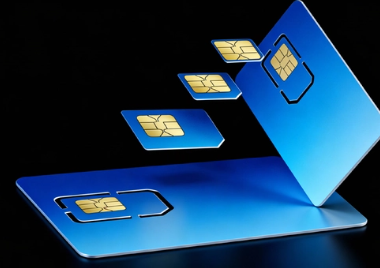
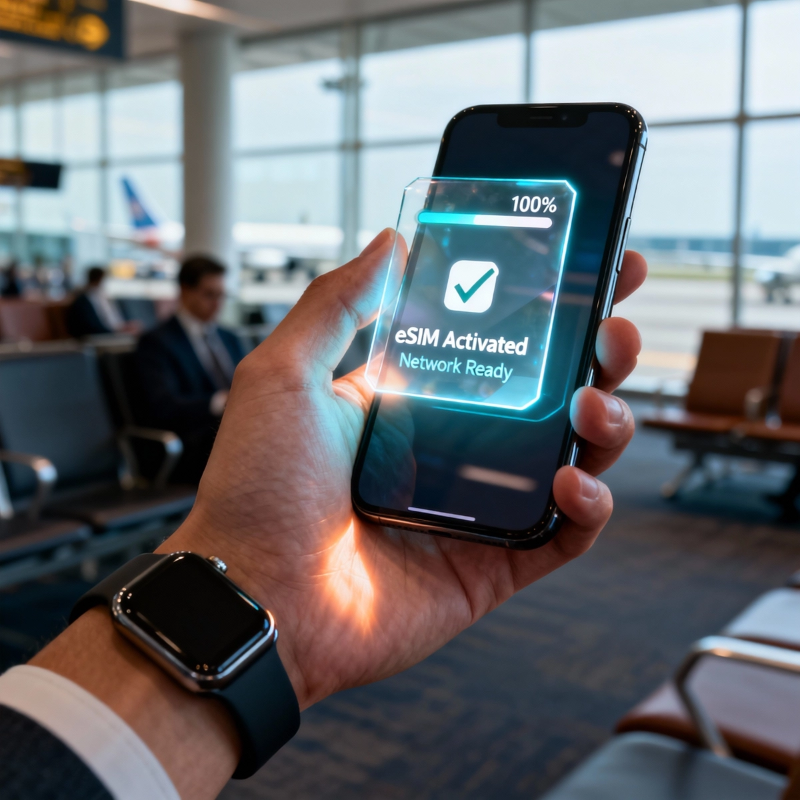
Pre-configured connectivity helps reduce manual setup requirements before devices are delivered. Instead of requiring merchants or field teams to complete complex network configurations, terminals can be prepared in advance according to project requirements.
The device is designed to simplify the deployment process for merchants. After receiving the terminals, payment providers can complete the necessary setup steps before putting the devices into operation. This helps reduce installation complexity and supports more efficient deployment across merchant networks.
For large terminal fleets, standardized configuration also helps maintain consistency across different locations. Payment providers can reduce the workload associated with individual device preparation and improve overall deployment management.
BHZ payment solutions support deployment approaches that combine hardware designed with a focus on reliability with simplified activation processes. This helps enterprises improve efficiency when introducing QR payment services to a large number of merchants.
Device Management Platform for Large-Scale Terminal Operations
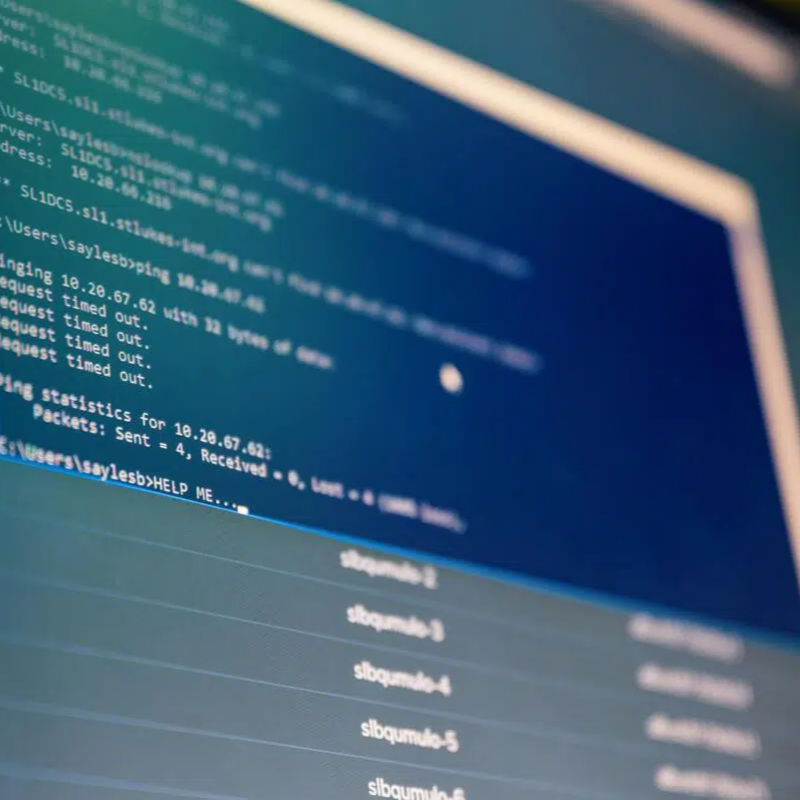
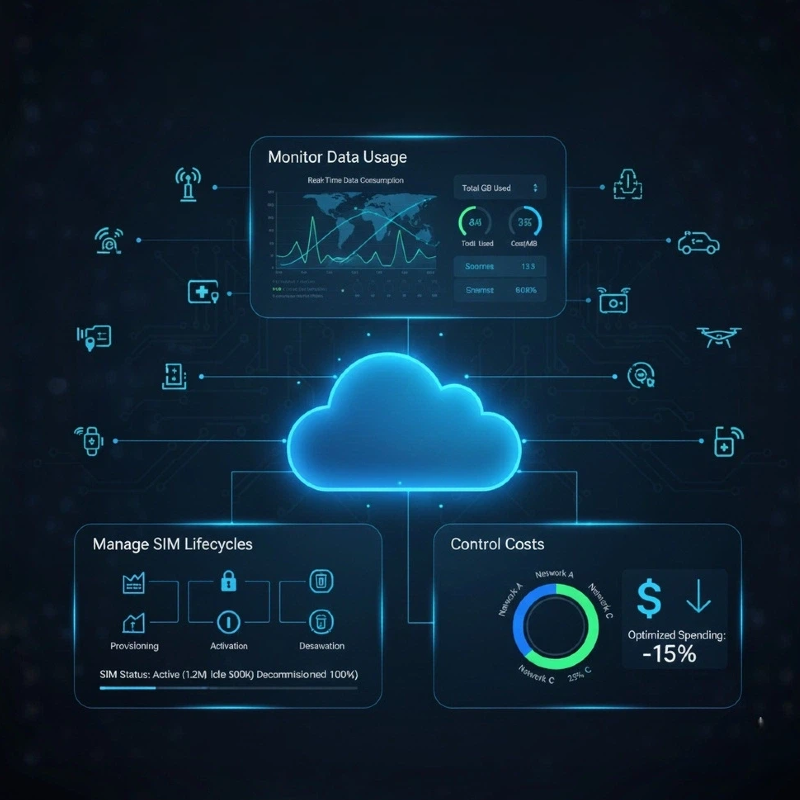
After payment terminals are deployed, ongoing management becomes an important part of successful operations. A Device Management Platform provides the tools required for remote maintenance, device monitoring, and large-scale terminal management.
For organizations managing thousands of payment devices, manually checking each terminal is inefficient. It allows operators to view device status remotely and identify potential issues more quickly.
Remote maintenance capabilities help reduce the need for on-site service visits. Configuration updates, software management, and operational adjustments can be handled through centralized systems, improving maintenance efficiency.
Status monitoring is also valuable for understanding terminal performance. Payment providers can track whether devices are operating normally and respond to problems more effectively.
For banks, acquirers, and digital wallet companies, a payment terminal solution should include both hardware designed with a focus on reliability and efficient management capabilities. For this, it supports long-term operation by helping enterprises manage distributed terminal networks more effectively.
Selecting a QR payment soundbox for bulk deployment requires a complete evaluation of hardware specifications, connectivity features, deployment efficiency, and management systems. BHZ solutions help enterprises build payment terminal networks that support merchant services with a focus on reliability and scalable digital payment operations.