

















IoT devices are often deployed across different regions, network environments and service lifecycles. Vehicle trackers may move between coverage areas, industrial devices may operate in remote locations, and connected terminals may need long-term connectivity support with limited on-site maintenance.
For these scenarios, customers may need more flexible connectivity options than a single-network SIM model. Two common approaches are multi-IMSI IoT SIM cards and IoT eSIM/eUICC solutions. Both can help improve connectivity adaptability, but they work in different ways and are suitable for different deployment requirements.
BHDC supports both multi-IMSI IoT SIM cards and IoT eSIM/eUICC solutions, helping customers select suitable connectivity approaches according to device type, deployment environment, operator resources and lifecycle management needs.
What Is a Multi-IMSI IoT SIM?
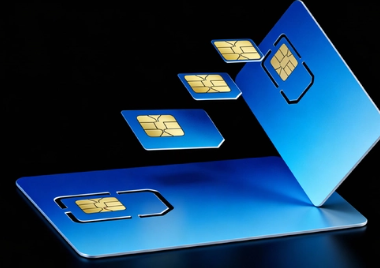
A multi-IMSI IoT SIM is a SIM card configured with multiple IMSI identities or operator resources. Instead of relying on only one operator identity, the card can support network selection or fallback according to project configuration and available operator resources.
This approach can be useful for IoT devices that need better network adaptability across different regions or coverage conditions, while still using a physical SIM card model. Depending on card application design and operator agreements, the SIM can help the device access alternative network resources without replacing the physical card.
However, multi-IMSI does not mean unlimited or uninterrupted connectivity. Actual switching behavior depends on SIM configuration, operator resources, device settings, network registration and local coverage conditions.
What Is IoT eSIM/eUICC?
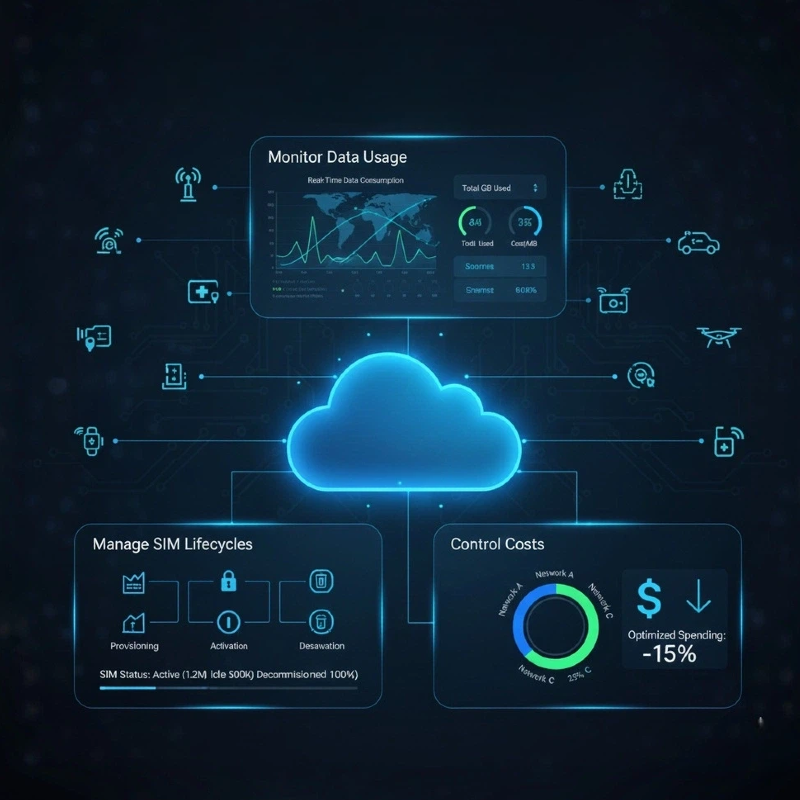
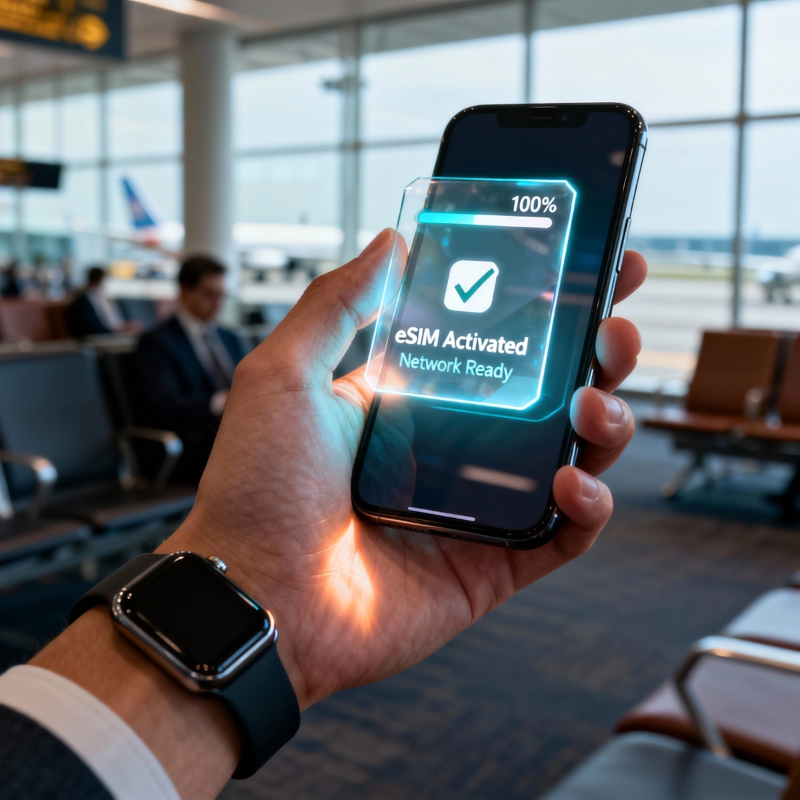
IoT eSIM/eUICC uses an eUICC to securely store and manage operator profiles. With RSP-related platforms such as SM-DP+ and eIM, customers can support remote profile download, installation, activation, disablement, deletion and switching according to the applicable GSMA architecture and project requirements.
Compared with traditional physical SIM replacement, IoT eSIM/eUICC can provide more flexible remote lifecycle management. It is especially useful for devices that are widely distributed, difficult to access, sealed inside equipment or expected to operate for a long service life.
Key Differences Between Multi-IMSI SIM and IoT eSIM
Multi-IMSI IoT SIM and IoT eSIM/eUICC both support more flexible connectivity than a basic single-network SIM, but their operating logic is different.
Multi-IMSI IoT SIM cards are usually based on pre-configured IMSI identities or operator resources inside the SIM. They are suitable for projects that want improved network adaptability while keeping the physical SIM deployment model.
IoT eSIM/eUICC solutions focus on remote operator profile lifecycle management. They are suitable for projects that need remote provisioning, profile updates, profile switching or long-term management through RSP-related platforms.
In simple terms, multi-IMSI improves network adaptability through pre-configured SIM resources, while IoT eSIM/eUICC improves lifecycle flexibility through remote profile management.
How to Choose the Right Connectivity Approach
Customers can choose between multi-IMSI IoT SIM and IoT eSIM/eUICC according to deployment requirements.
A multi-IMSI IoT SIM may be suitable when devices can use physical SIM cards, operator resources can be pre-configured, and the project needs improved network adaptability without building a full remote profile management process.
IoT eSIM/eUICC may be more suitable when devices are difficult to access, deployed at scale, expected to operate across long lifecycles, or require remote profile provisioning and lifecycle management.
In some projects, customers may also use both approaches across different device lines or deployment phases. For example, physical multi-IMSI SIM cards may be used for certain mature devices, while eSIM/eUICC may be selected for new devices requiring remote lifecycle management.
BHDC provides multi-IMSI IoT SIM cards, IoT SIM products and eSIM/eUICC-related capabilities for connected-device applications. By combining SIM product experience, eUICC capabilities and RSP-related platform support, BHDC helps customers build suitable connectivity solutions for different IoT deployment scenarios.
Whether customers need physical IoT SIM cards with improved network adaptability or IoT eSIM/eUICC solutions with remote profile lifecycle management, BHDC can provide scenario-based product and technical support according to project requirements.