














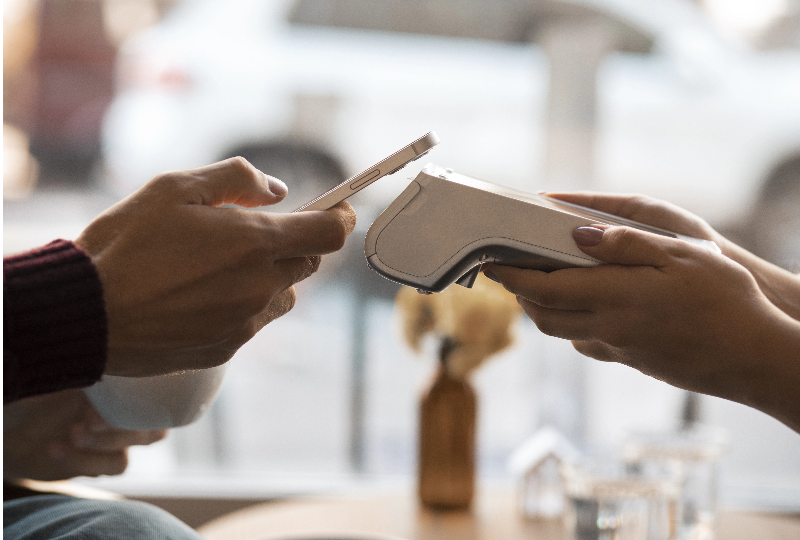



As automotive access technology continues to evolve, car brands have more options when designing vehicle entry solutions. Traditional key fobs have been widely adopted because of their familiar operation methods, while NFC-based card keys introduce a different approach with a compact design and contactless interaction. The BHDC NFC Car Key provides automotive brands with another option for vehicle access by combining NFC technology, a battery-free structure, and a card-based form factor.
Form, Carrying Method, and Battery Dependence: NFC Card Keys vs Key Fobs
The first difference between an NFC card key and a traditional key fob is the physical form. A traditional key fob is usually designed as a small electronic device with buttons and internal components for remote vehicle control. Its shape is mainly determined by the need to include electronic modules and power components.
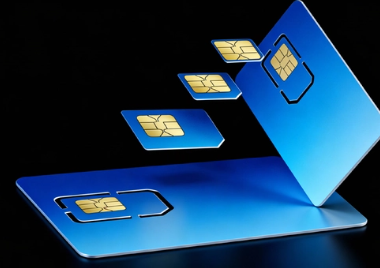
In comparison, the NFC car key uses a card-style design. Its thin and lightweight structure is similar to a standard card, making it easier to store with other personal cards. This form factor provides users with a different experience from carrying a traditional key fob.
The carrying method is another important difference. Traditional key fobs are usually carried separately in pockets, bags, or key holders. Although many users are familiar with this method, they still need to remember to bring a dedicated electronic key when using the vehicle.
An NFC card for car provides a more integrated carrying option. Users can place the card inside a wallet or card holder together with other daily items. This can be convenient for users who prefer a lighter and simpler way to carry vehicle access credentials.
Battery dependence is also a key distinction. Traditional key fobs generally require batteries to support remote communication functions. Over time, users may need to replace batteries to maintain normal operation.
The BHDC NFC Car Key adopts a battery-free design. Since NFC communication does not require a built-in battery for card operation, users do not need to manage battery replacement. This characteristic makes the card a practical option for applications that require long-term availability and simple maintenance.
Advantages of NFC Card Keys in Flexible Usage Scenarios
NFC card keys provide specific advantages in scenarios where portability, reliability, and flexible access management are important. They are especially suitable as backup keys, temporary authorization tools, and daily carrying solutions.
As a backup key, an NFC card key provides an additional access option for vehicle owners. A backup key needs to remain available when the primary key is not accessible. Because the card design does not depend on a battery, it can provide an alternative designed for reliability about battery status.
Temporary vehicle authorization is another scenario where NFC card keys can provide value. Vehicle owners may need to give temporary access to family members, service technicians, rental users, or other authorized individuals. A card-based solution can make handover easier without requiring users to exchange a traditional key fob.
For daily carrying, the compact design of an NFC card provides convenience. Many users already carry identification cards, bank cards, or access cards in their wallets. An NFC card for car follows a similar carrying method, reducing the need to carry another bulky electronic device.
For automotive brands, NFC card keys can also support different customer preferences. Some users may prefer a simple physical card that provides direct vehicle access, while others may choose mobile-based or traditional electronic solutions. Offering multiple access methods can improve the overall ownership experience.
The BHDC NFC Car Key helps automotive brands create more flexible access options by combining a familiar card format with secure digital authentication technology.
Traditional Key Fobs and Established User Habits
Although NFC card keys provide new possibilities, traditional key fobs continue to have advantages in certain scenarios. One important feature is long-distance operation. Many key fobs allow users to unlock or control vehicle functions without placing the key close to the vehicle.
This remote operation capability matches the habits of many drivers. For example, users may unlock the vehicle before reaching it or use buttons to activate specific functions depending on the vehicle design.
Traditional key fobs also benefit from long-term market adoption. Many drivers are familiar with their operation methods and expect physical buttons and remote functions as part of the vehicle ownership experience.
For this reason, NFC card keys should not be viewed as a simple replacement for traditional key fobs. The two solutions focus on different usage requirements. Key fobs are often suitable for users who value remote operation, while NFC card keys provide advantages in portability, battery-free design, and flexible authorization scenarios.
Automotive brands need to consider customer expectations and vehicle positioning when selecting digital access solutions. The right choice depends on how the brand wants users to interact with their vehicles.
Choosing NFC Card Keys as Master Keys, Backup Keys, or Complementary Solutions
For automotive OEMs, selecting an access solution requires balancing user experience, security requirements, and vehicle system compatibility. NFC card keys can serve different roles depending on the vehicle model and target users.
For some vehicle models, an NFC card key may be suitable as a master key solution. This approach can work well when brands want to provide a simple, lightweight, and battery-free access experience as part of the vehicle design.
In other cases, NFC cards may be more suitable as backup keys. They can provide an additional access method while maintaining convenience and reliability without replacing the existing key system.
NFC card keys can also serve as a complementary solution alongside traditional key fobs. This approach allows automotive brands to support different user preferences. Drivers who need long-distance remote operation can continue using key fobs, while users who prefer portability can use NFC cards.
As an automotive smart card solution provider, BHDC offers technologies that support flexible vehicle access applications. By combining NFC communication with secure design, we help car brands explore different digital key strategies.
The choice between NFC card keys and traditional key fobs depends on the vehicle model, customer needs, and application goals. By understanding the strengths of each option, automotive brands can create access systems that deliver the right balance between convenience, reliability, and compatibility.