













Mobile payment has become an important part of retail, food service, and delivery enterprises. Companies need checkout devices that can support different transaction methods while adapting to changing business environments. A modern terminal is not only a billing tool but also a platform that connects applications, data, and daily operations. We focus on the key functions of 4G Android POS terminals and their role in supporting flexible payment applications across different commercial scenarios.
Core Components Behind a 4G Android POS System
A smart settlement device combines several hardware and software components to complete daily transaction tasks. The Android operating system provides a familiar platform for running payment applications and business tools. It allows developers and operators to manage functions through applications designed for different service requirements.
The processor is another important part of the device. It handles application operations, transaction processes, and communication tasks. A suitable processing system helps the terminal respond smoothly when users switch between collection functions, business applications, and management tools.
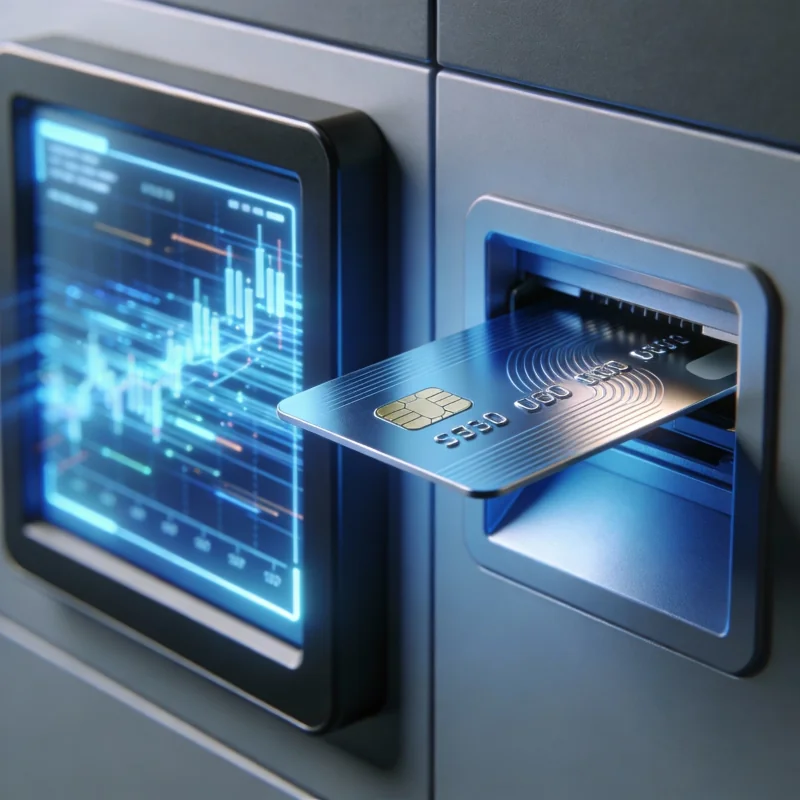
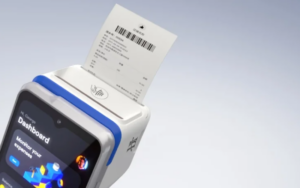
The payment module is responsible for transaction functions, including card reading and contactless checkout support. Together with the display, it creates a complete interaction process between customers and operators. For businesses using an Android smart POS terminal, these components help create a more flexible payment workflow.
The display also affects user experience during daily operations. A clear screen allows staff to check transaction details, manage applications, and complete service steps more easily. In addition, integrated printing components allow merchants to provide transaction receipts when needed, reducing the need for separate equipment.
NFC, Printing, Wi-Fi and eSIM Connection Options
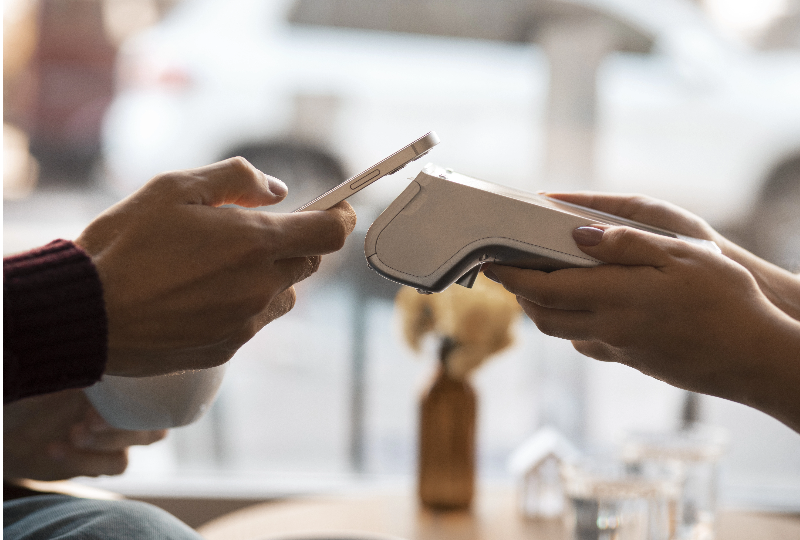
Different business environments require different connection methods. NFC technology supports convenient contactless payment, while printing functions help businesses handle traditional receipt requirements. These features allow checkout terminals to adapt to various customer preferences and operational processes.
Wireless communication is also important for mobile transaction scenarios. Wi-Fi connectivity can support stable network access in stores, restaurants, and service locations. For businesses that require movement between different areas, cellular connectivity provides another option for maintaining communication.
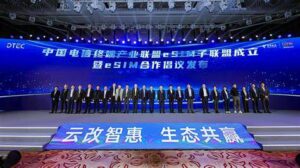
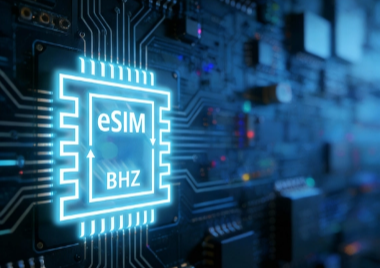
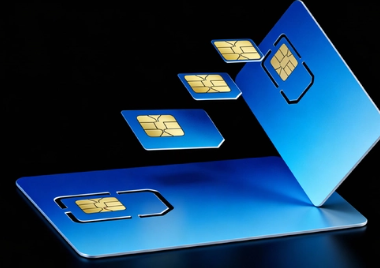
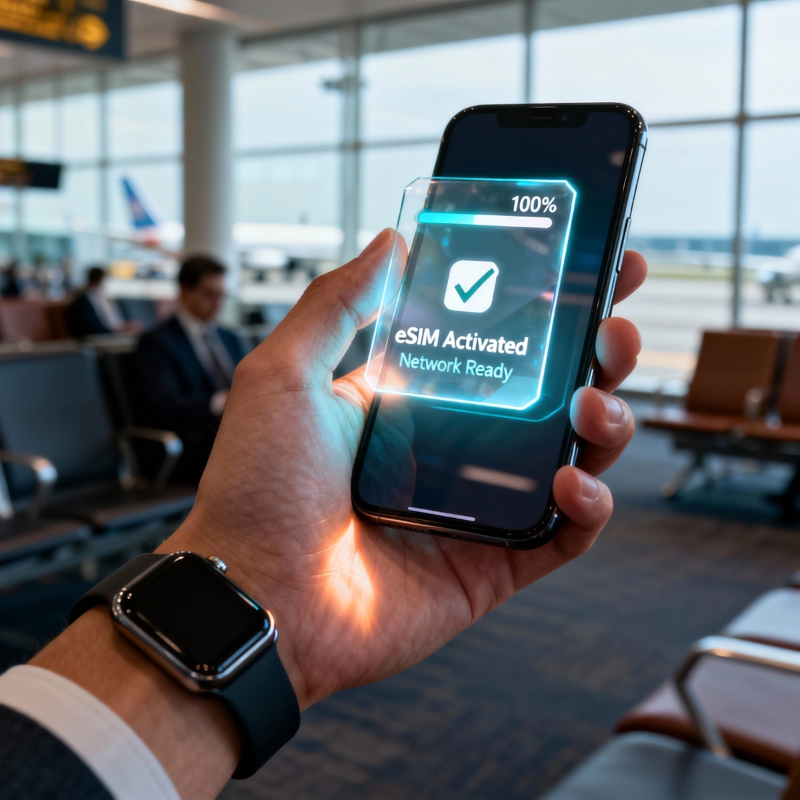
eSIM technology adds more flexibility to device deployment. Instead of manually replacing physical SIM cards, businesses can manage network profiles remotely through supported systems. This approach can simplify device preparation, especially when companies operate collection terminals across multiple locations.
As a provider focusing on secure identity and connected solutions, BHZ pays attention to the relationship between hardware security, network access, and business applications. Flexible connectivity options help companies build transaction environments that match their operational needs.
Mobile Payment and Remote Operation Benefits
A mobile checkout device can support business activities beyond fixed checkout areas. For example, restaurants can use portable terminals for table-side payments, while delivery teams can complete transactions at different service locations. This flexibility helps businesses improve transaction processes in environments where mobility is important.
Application management is another practical consideration. Android-based terminals can support software updates, application installation, and function expansion according to business requirements. Operators can adjust device functions as service models change.
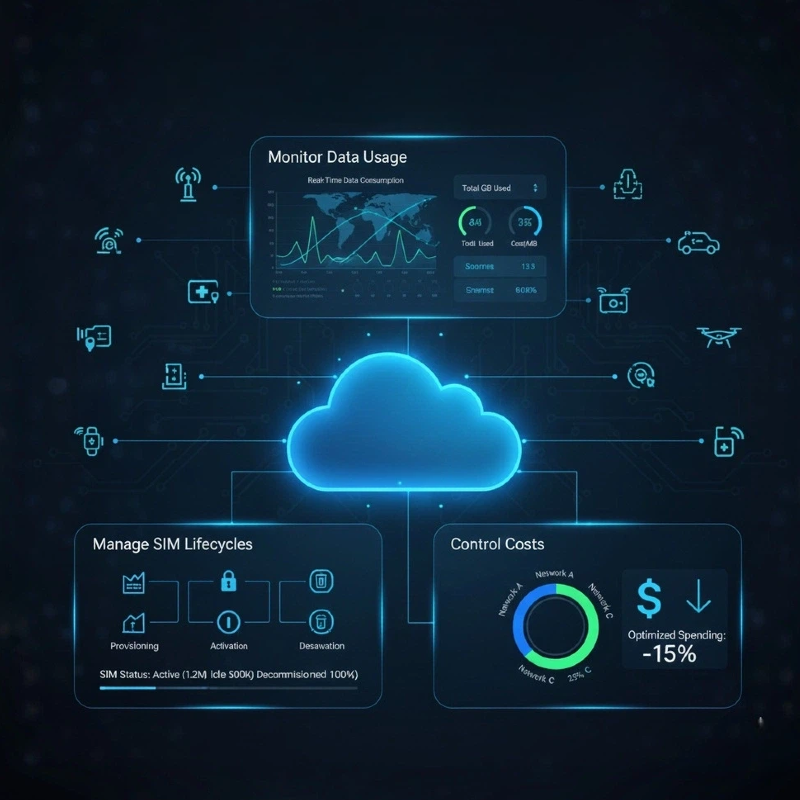
Remote management capabilities are also valuable for companies with multiple devices. Businesses can monitor device status, manage applications, and coordinate updates without handling every terminal individually. These functions reduce operational complexity when payment equipment is distributed across different locations.
For companies exploring an Android smart POS, connection management and remote operation features are important factors during equipment selection. A suitable device should support both current transaction needs and future business adjustments.
Application Scenarios and BHZ800 Android Smart POS Capabilities
Retail stores, restaurants, and delivery services are common application areas for smart collection terminals. Retail businesses may use mobile devices for checkout flexibility, while restaurants can support faster payment collection during busy periods. Delivery companies can also benefit from portable equipment that supports outdoor transactions.
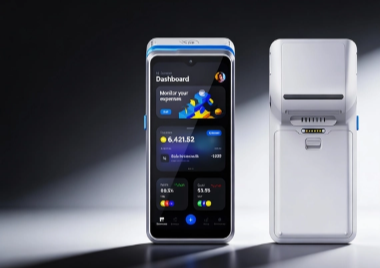
Based on different commercial requirements, we developed the BHZ800 Android Smart POS as an integrated settlement device. It combines payment functions, business applications, and mobile operation features in one design. The device uses Android 14, a 6.5″ HD display, and a high-voltage 7.2V battery to support daily business activities.
The BHZ800 also includes a quad-core 2.0GHz processor for application processing and operational tasks. Its battery design supports extended mobile use, while OTA firmware updates allow system improvements through remote software management. These features help businesses maintain device performance during regular operations.
Security is an important consideration for settlement equipment. Security is an important consideration for settlement equipment. The BHZ800 is designed with financial application requirements in mind and supports multiple connection methods, including NFC, Wi-Fi, and cellular communication options. The device complies with key industry certifications and standards, including CE, FCC, PCI, PCI-PTS, EMVCo L1/L2, Visa Ready, and Mastercard PayPass, helping ensure security, compatibility, and reliable performance in payment application environments. These capabilities make it suitable for businesses that require flexible and secure payment deployment.
With experience in secure identity and connected technology development, BHZ focuses on providing solutions for industries such as finance, communication, automotive, and connected devices. Our background includes technologies related to secure authentication and smart device applications, supporting partners that require reliable transaction and connectivity solutions.
Building Flexible Payment Solutions for Future Business Needs
4G collection devices are becoming a practical choice for scenarios that require flexible connectivity and efficient transaction processing. Companies now require equipment that can combine transaction functions, application support, and flexible network connections. A smart terminal can become part of a wider digital operation system instead of serving only as a checkout device.
When evaluating an Android smart POS terminal, businesses should consider hardware capability, connectivity options, application management, and security requirements.
Through continuous technology development, BHZ supports businesses in exploring secure and connected payment solutions. Devices such as the BHZ800 Android Smart POS provide practical options for retailers, restaurants, delivery services, and other industries that need mobile transaction capabilities. Modern terminals integrate payment, communication, and application functions to provide more flexible options for commercial operations.