













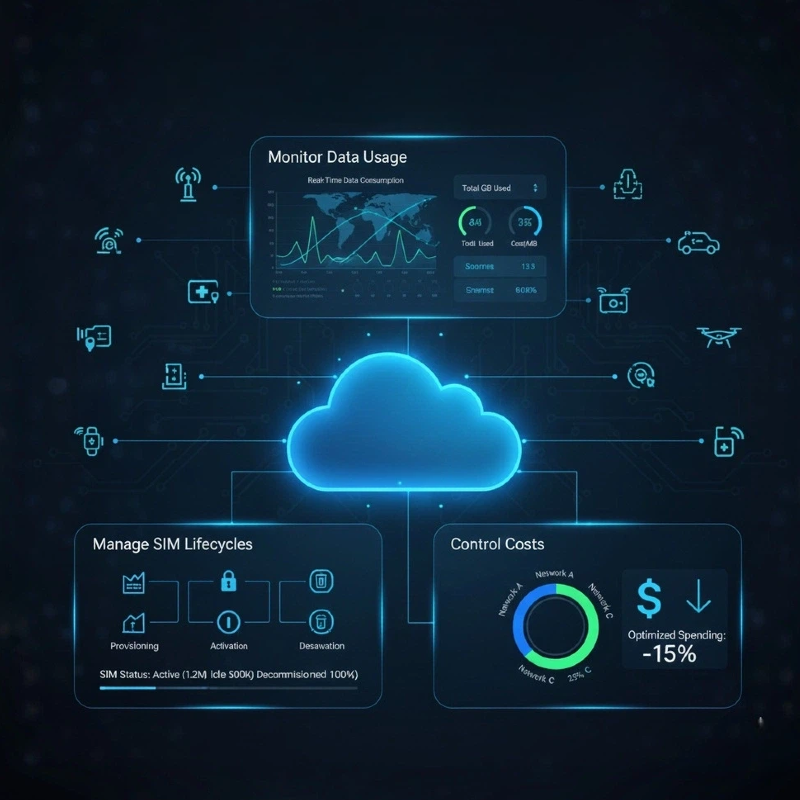









As more industries adopt connected devices, enterprises need flexible ways to manage cellular communication. eSIM technology provides a digital method for device connectivity by allowing network profiles to be managed remotely instead of replacing physical SIM cards.
For IoT companies, communication providers, automotive manufacturers, and OEM enterprises, choosing the right connectivity method requires careful planning. A suitable eSIM solution should consider device requirements, target markets, security standards, and future management needs before large-scale deployment.

Define Device Types, Regions, and Connectivity Requirements
The first step in selecting an eSIM service is understanding the project scope. Businesses need to identify the device types that require cellular connectivity, including IoT terminals, smart equipment, mobile devices, and connected vehicles. Different devices may have different communication frequencies, data requirements, and operating conditions.
The deployment region is another important factor. Companies should evaluate geographical deployment footprints and verify whether multi-region roaming support or localized profile switching is required. For global deployments, ensuring seamless network compatibility and local operator support is essential for maintaining robust connection stability.
The expected service period also affects technology selection. Some devices may operate for several years in fixed environments, while others may move between locations during daily operation. Long-term projects often require flexible management methods that can adapt to changing network requirements.
By reviewing device types, target markets, service periods, and coverage conditions, companies can create a clearer connectivity plan. This preparation helps enterprises select eSIM solutions for businesses that match their actual application scenarios.
Evaluate eUICC Standards, Security, and Network Resources
After defining basic requirements, businesses need to evaluate the technical foundation of an eSIM solution. eUICC standards are an important part because they support digital profile management and allow different network profiles to be handled through secure methods.
Security is also a key consideration for connected applications. eSIM technology involves subscriber identity information and network access credentials, so companies need to review how profiles are stored, activated, and managed during operation.
Network coverage should be considered together with security requirements. A project may involve devices deployed across different locations, so access to suitable operator resources and network environments is important for continuous communication.
For enterprises working on international IoT or communication projects, choosing a provider with suitable technical resources can reduce challenges during deployment. A well-designed eSIM solution should combine eUICC compatibility, secure management processes, and network adaptation for different application needs.
Review Profile Management, APIs, and Expansion Capability
One major feature of eSIM technology is remote profile management. Compared with traditional SIM deployment, eSIM allows companies to manage connectivity profiles through digital methods. Businesses should check whether profiles can be downloaded, activated, updated, or switched according to project requirements.
Profile status management is also important for large-scale applications. When enterprises operate many connected devices, they need to understand device connection status, profile conditions, and service changes. Effective management tools can support daily operation and maintenance activities.
API integration is another factor during supplier evaluation. A suitable eSIM platform can connect with existing enterprise systems, IoT management platforms, or service applications. This helps businesses combine connectivity management with their current digital workflows.
Scalability should also be considered before deployment. As device numbers increase, companies may require additional management functions and broader application support. These capabilities make eSIM solutions for businesses suitable for industries that need long-term connectivity planning.
Supplier Checklist and BHDC eSIM Solutions for Business Projects
When choosing an eSIM supplier, enterprises should review several practical questions. They should check whether the provider supports required device categories, target regions, and network environments. They should also evaluate profile management functions, API integration ability, technical support, and delivery processes.
Different industries may have different expectations. IoT companies may focus on connecting sensors, smart terminals, and industrial devices. Communication companies may require flexible subscriber management. Automotive manufacturers may need stable connectivity support for vehicle platforms and related services.
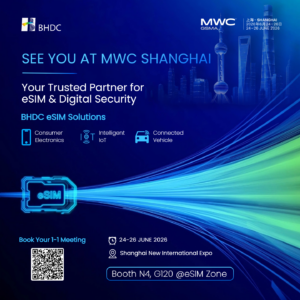
BHDC delivers comprehensive, end-to-end eSIM solutions tailored for enterprises, telecom operators, and IoT device manufacturers. BHDC collaborates closely with business clients to match specific operational requirements with turnkey solutions—integrating GSMA-compliant secure eSIM hardware, centralized RSP platform capabilities, profile provisioning services, and ongoing technical support.
We work with business customers to understand application requirements before providing suitable connection approaches. Through technical experience in secure identity and electronic system integration, we support enterprises that need flexible connectivity solutions for different industries.
Building a Practical eSIM Strategy for Future Applications
When enterprises evaluate eSIM providers, network access is only one part of the decision process. Factors such as device planning, security requirements, profile management, and future scalability are equally important considerations. A clear assessment approach allows businesses to build a connectivity strategy based on their actual operational needs.
As IoT devices, connected vehicles, and smart communication systems continue to develop, flexible connectivity management becomes increasingly important. Companies need solutions that can adapt to different deployment environments and changing business requirements.
Leveraging deep technical expertise in smart card OS development, secure element integration, and digital identity management, BHDC provides trusted, enterprise-grade eSIM solutions. Our eSIM solutions for businesses are designed for practical applications in IoT, communication, and automotive fields, helping customers establish reliable connections between devices and digital platforms.