








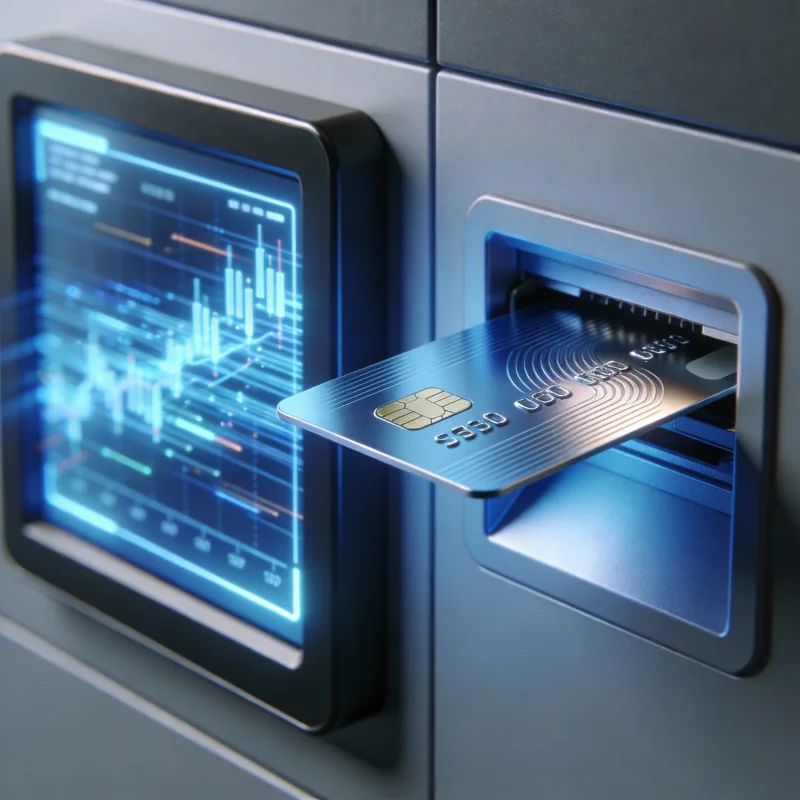
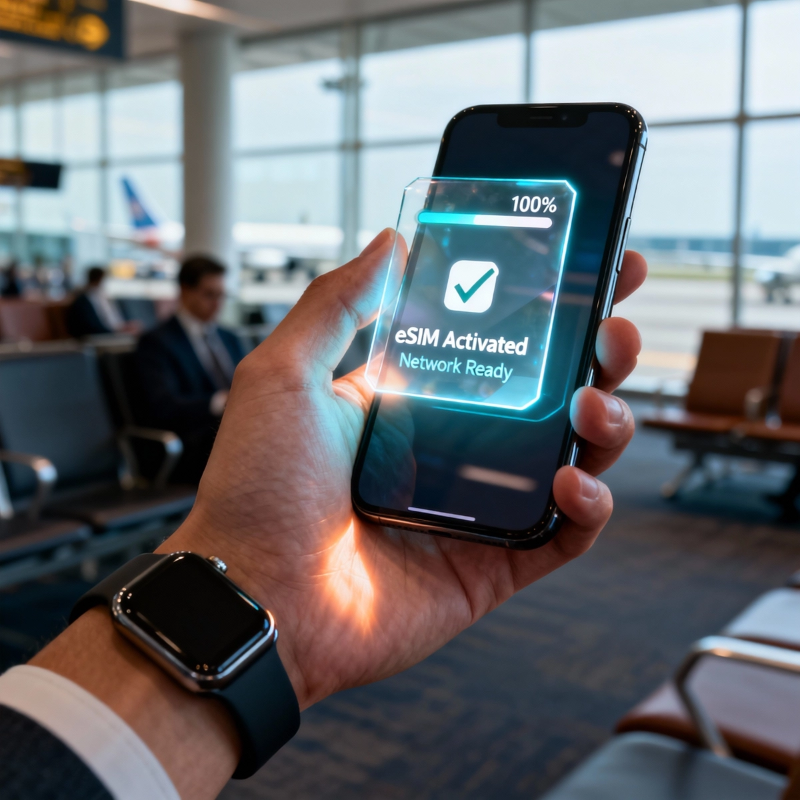






When a customer opens a bank account, accepts a payment, or authenticates a transaction, security requirements extend beyond passwords or a single verification step. Financial institutions need reliability-focused approaches to verify identities, protect credentials, secure payment data, and maintain accurate transaction records. Fintech companies face similar requirements across mobile, physical, and digital channels, making coordinated security technologies increasingly important.

Different stages of the financial service lifecycle create different risks. Account opening may require trusted identity verification, while payment acceptance depends on secure terminals and transaction authentication. Card issuance also involves sensitive data preparation and key management. A practical security architecture therefore connects identity, payment, and authentication technologies rather than treating them as isolated functions.
Security Tools for Banking and Fintech Operations
BHZ approaches financial security through a combination of payment hardware, secure elements, authentication technologies, and supporting platforms. The portfolio includes smart POS terminals, QR payment devices, payment cards, biometric devices, tokens, and electronic identity products. These technologies can be selected according to the transaction environment, user journey, risk level, and existing infrastructure.
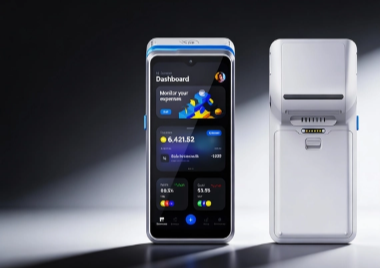
Smart POS terminals are particularly relevant to payment acceptance. The BHZ800 Android Smart POS runs Android 14 and can be configured with SIM and PSAM options for different deployment requirements. An optional international FBI PIV FAP10fingerprint sensor can support biometric identity verification in suitable applications, adding an authentication layer to selected financial transactions.
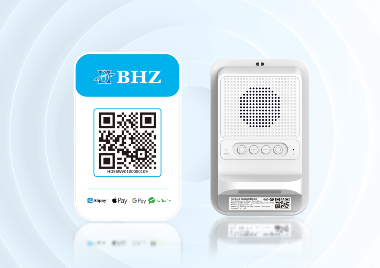
QR payment devices can support merchants that need clear and timely payment confirmation. The HD56 QR Payment Soundbox combines QR/NFC acceptance with a real-time display and a 105dB speaker. It supports 4G Cat.1 and 2.4GHz Wi-Fi, providing connectivity options for payment environments where communication reliability is important.
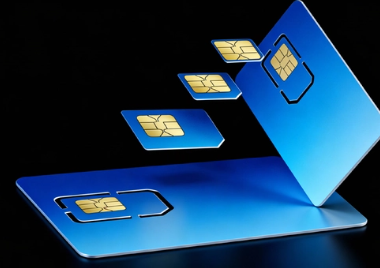
Payment cards and issuance infrastructure address another stage of financial security. BHZ’s EMV financial card issuance capabilities cover data preparation and key management, helping banks and card bureaus manage sensitive card-personalization processes. This connects credential creation with the security requirements encountered during later payment transactions.
Combining Payment Terminals With Digital Identity
A payment terminal can authenticate a transaction, but financial security often depends on what happens before and after the transaction itself. Digital identity technologies can provide additional verification when a person, credential, device, and transaction need to be associated with one another.
This is where integrated digital security solutions can provide practical value. Biometric authentication, secure elements, payment credentials, and terminal technologies can create multiple verification points within a customer journey. Financial institutions can select appropriate combinations according to transaction value, channel, customer requirements, and operational risk.
Addressing Identity, Operational, and Transaction Risks
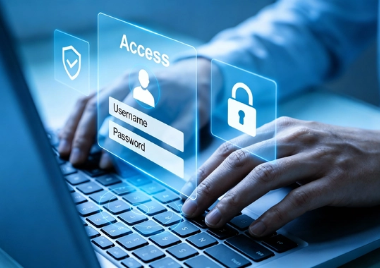
Identity theft can occur when credentials are copied, exposed, or used by an unauthorized individual. Combining secure credentials with biometric verification can provide an additional authentication check at sensitive points. The appropriate approach depends on the application, since biometric verification may be unnecessary for lower-risk transactions.
Operational errors require a different response. Payment devices that clearly communicate transaction status can help merchants distinguish successful payments from incomplete or failed transactions. For example, the HD56 provides visual and audio confirmation, while QR payment devices can help merchants process transactions without relying only on conventional card interfaces.
Fraud prevention also depends on secure processes behind the physical transaction. Payment terminals, cards, secure elements, and service platforms need appropriate controls throughout their lifecycles. The payment portfolio includes a Trusted Service Manager platform for secure over-the-air provisioning of financial applets, together with EMV issuance infrastructure for secure data preparation and cryptographic key management.
For projects that combine payment and identity functions, BHZ technologies can therefore serve as complementary building blocks. Payment hardware manages the customer or merchant interaction, while secure identity and connectivity technologies support credential protection, authentication, and trusted communication.
Capabilities to Evaluate in a Security Technology Provider
The first capability to examine is technical coverage. A provider should be able to address relevant requirements across payment terminals, payment cards, secure elements, biometric devices, and authentication technologies. This can reduce coordination between unrelated suppliers when several security functions need to work together.
Certification and standards support should also be assessed carefully. BHZ’s payment portfolio includes PCI- and EMV-related certified products, while our connectivity business includes GSMA-certified eSIM technologies. Certifications do not replace project-specific security assessments, but they provide useful evidence when evaluating products for regulated financial environments.
Integration capability is equally important. Security products may fit existing acquiring systems, card-issuance processes, identity platforms, device-management environments, and operational workflows. A supplier capable of combining hardware, software, secure elements, and management platforms can make system integration more manageable.
Scalability should also be considered at the planning stage. Banking and fintech projects may involve large numbers of cards, terminals, credentials, or connected devices. The company’s portfolio spans payment, eID, SIM, eSIM, IoT connectivity, and supporting platforms, allowing project teams to select technologies according to their specific architecture.
When evaluating a digital security solution provider, the priority should therefore be more than an individual device’s specifications. The provider should offer suitable technologies, certification support, integration capabilities, and lifecycle management for the intended application. We combine payment, identity, secure-element, connectivity, and authentication technologies to support financial projects where security depends on several coordinated layers.