













Financial services depend on trust at two connected levels. Customers may trust that a payment will reach the right destination with appropriate protection, and they can trust that only the right person can access an account or authorize a sensitive action. As banking moves across cards, mobile wallets, digital onboarding, and remote services, payment trust and identity trust can be viewed as two essential parts of the same security framework.
Establishing Payment Trust at Every Transaction
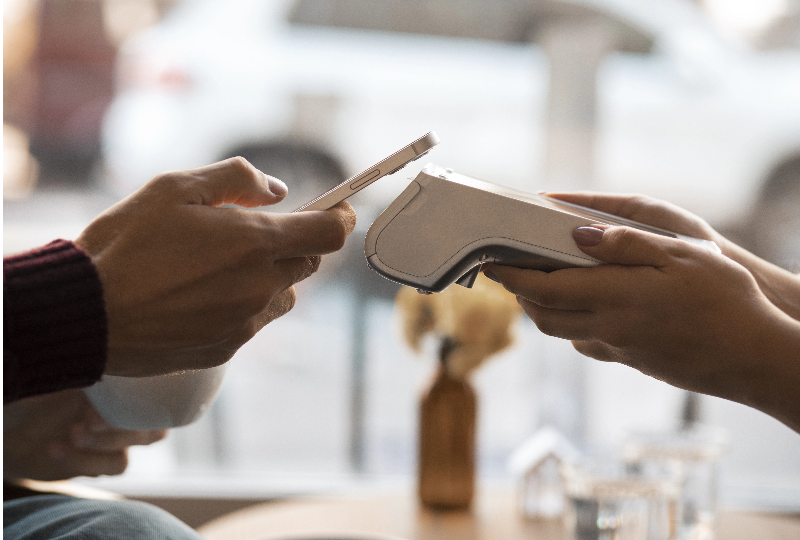
Payment trust starts with the transaction itself. Banks and fintech companies need payment infrastructure that supports secure credentials, recognized payment standards, and practical customer experiences. A card that offers strong protection but creates unnecessary friction can affect customer acceptance. The same applies to terminals that support convenient payments but lack suitable security architecture.
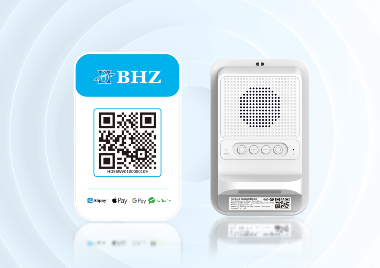
BHZ addresses these requirements through payment cards, Smart POS devices, QR payment products, digital payment platforms, and EMV card issuance infrastructure. The BHZ EMV Financial Card Issuance System covers Data Preparation and Key Management, which helps financial institutions manage secure card personalization and cryptographic keys across the issuance lifecycle.
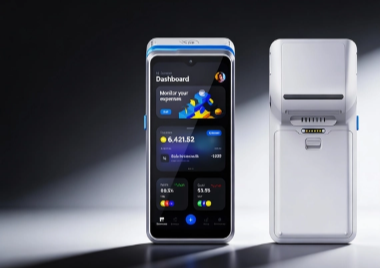
The company’s Smart POS portfolio also supports several payment methods within a single device. The BHZ800, for example, supports magstripe, IC chip and PIN, NFC, and QR code payments. It uses Android 14 and includes a 6.5-inch HD IPS capacitive multi-touch display, a 58 mm thermal printer, and optional barcode and fingerprint functions.
The terminal also supports 2G/3G/4G, dual-band Wi-Fi, Bluetooth, GPS, and configurable SIM and PSAM combinations. Its NFC reader operates at 13.56 MHz and supports ISO 14443 Type A/B. These options allow institutions and merchants to select configurations that fit different deployment environments instead of relying on a single terminal design.
Security architecture matters as much as payment coverage. The BHZ800 uses an AP and security-processor architecture that separates transaction data from the main application environment. This product also holds relevant certifications and complies with requirements such as PCI, EMV Level 1&2, Visa payWave, Mastercard PayPass, UnionPay, CE, FCC, and RoHS.
These capabilities form part of our digital security solutions, where payment protection and practical usability need to work together. A terminal may support secure transactions, but it also needs a responsive interface, suitable connectivity, and operational flexibility. Features such as electronic signatures, QR scanning, receipt printing, and mobile connectivity can help create a smoother payment experience without separating convenience from security.
Protecting Identity and Account Access
Payment trust cannot stand alone. A customer may use a secure card but still face account risks if identity verification or access control is weak. Digital banking therefore requires reliability-focused approaches to establish who a user is before an account is opened, accessed, or used for sensitive actions.
BHZ provides eID products and authentication technologies that address this requirement. The eID portfolio includes secure identity credentials, biometric devices, secure elements and PKI tokens. These technologies can support identity verification, authentication, access control, and digital credential use across financial and enterprise applications.
Biometric technology can strengthen identity verification when a financial institution needs more than a password or basic credential. BHZ’s biometric devices support accurate identity data capture, while the broader eID capabilities address KYC and authentication requirements. This gives institutions additional options for digital onboarding and identity checks where higher-assurance verification is required.
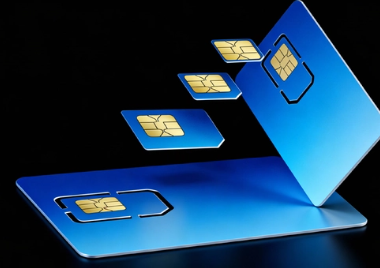
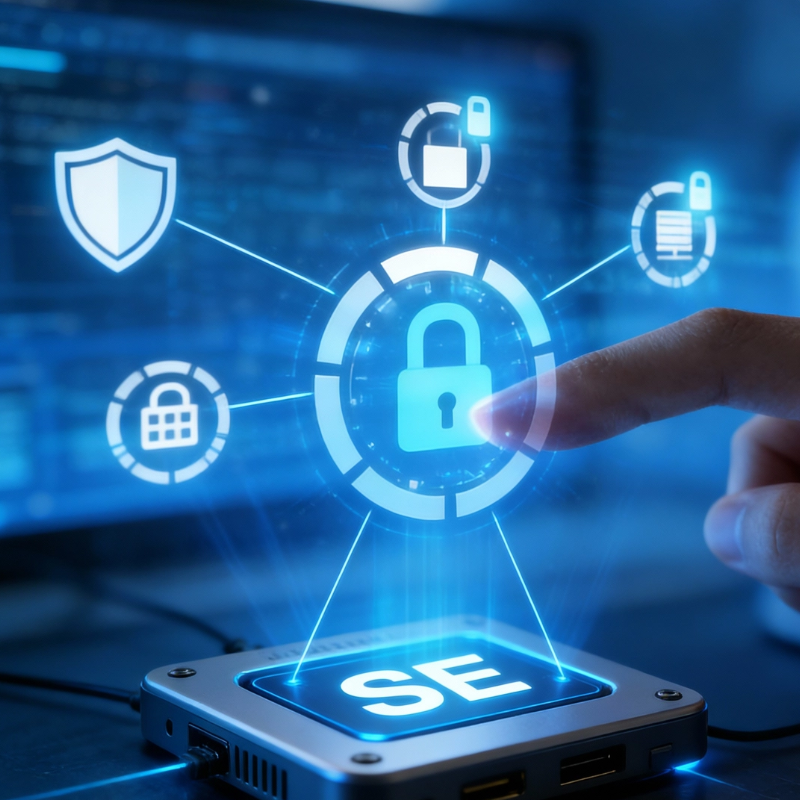
Secure elements provide another layer of protection by placing sensitive credentials and cryptographic functions within dedicated hardware. The Secure Element uses an independent CPU, cryptographic coprocessor, secure storage, and a dedicated Secure OS. It can support financial payment applications as well as digital identity and authentication use cases.
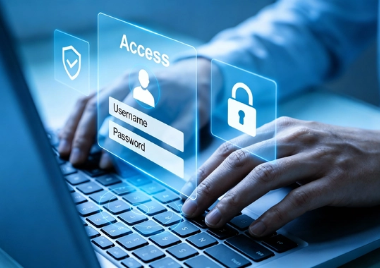
BHZ also supports PKI USB Keys that use asymmetric cryptography for authentication. These technologies can reduce dependence on static passwords and provide an additional security layer for systems where account access involves sensitive information. For financial institutions, that can be relevant to employee access, customer authentication, and other services that involve sensitive information.
Connecting Payment and Identity Trust
Payment security and identity security become more effective when institutions consider them as connected layers. A customer may verify an identity during onboarding, receive a digital credential, add a payment card to a wallet, and later authorize a transaction through a mobile device or physical terminal. Each stage needs an appropriate security mechanism.
BHZ supports this broader model through financial cards, virtual cards, UKeys for financial identity authentication, payment terminals, tokenization, and related authentication products. BHZ’s financial solutions support secure card issuance, digital credential management, identity authentication, and payment processing across different financial service scenarios.
This approach also gives financial institutions room to adapt their architecture as services change. Rather than treating a card, terminal, identity credential, or authentication token as an isolated product, institutions can consider how each component supports the wider customer journey. BHZ’s digital security solution capabilities cover payment, identity, and related security technologies so that these requirements can be addressed within a more coordinated framework.
Building Trust Into Digital Financial Services
Customer trust is strengthened when security works consistently across visible and invisible parts of a financial service. Customers may notice a fast card transaction or a simple authentication process, but they rarely see the cryptographic protection, secure hardware, credential management, and system controls behind it. Those underlying mechanisms still influence whether customers feel confident about digital banking.
For organizations evaluating BHZ, the value lies in this combination of payment and identity capabilities rather than in a single device. The BHZ portfolio connects secure hardware, authentication technologies, payment products, and related platforms to help financial institutions create more dependable digital services.
When payment trust and identity trust receive equal attention, security becomes part of the customer experience rather than a separate technical concern. BHZ supports this foundation through payment and identity technologies that help financial institutions maintain convenient digital services while addressing security requirements across different customer interactions.