






















Digital services increasingly depend on credentials, cryptographic keys, and sensitive information that cannot be left to general-purpose software alone. Secure chips, such as Secure Elements (SEs), provide a dedicated hardware environment for these assets. BHZ applies this security foundation across payment, digital identity, connectivity, and automotive applications, where protected credentials and controlled cryptographic operations are essential to trusted digital services.

Secure Chips as a Hardware Security Foundation
A Secure Element is different from a general-purpose processor. The BHZ Secure Element has an independent CPU, cryptographic coprocessor, secure storage, and a specialized Secure OS that remains isolated from the host system. It can perform encryption, decryption, digital signatures, and certificate management while keeping sensitive assets inside a dedicated security environment.
This architecture supports several digital applications. In payments, an SE can securely host bank card credentials and support dynamic cryptogram generation for contactless transactions. In digital identity, it can protect identity credentials, biometric templates, passwords, and certificates. In connected devices, secure hardware can protect subscriber credentials and other data that require controlled access.
The Secure Element also supports multiple applications through secure domain separation. This allows financial payment functions, digital certificates, and identity applications to operate within a common chip while maintaining separate security boundaries. Support for I2C, SPI, and ISO 7816 interfaces also gives device developers more options when they design the surrounding hardware.
A secure chip is the hardware foundation, not the finished security product. The final application still depends on how that hardware is selected, configured, embedded, and connected with the device and its software.
From Secure Chip to Embedded Product
Deploying an SE in a real product requires more than placing a chip on a circuit board. Developers need to adapt the chip to the target hardware, establish communication between the security component and the main processor, configure the Secure OS, and integrate the required applications or credentials.
BHZ supports the development layer around the hardware. The Secure Element ecosystem includes TSM service platforms, Payment SDKs, and COS customization. These capabilities help create a digital security solution that connects secure hardware with software functions, application requirements, and production processes. For projects with specific business logic, the security environment can be adapted so that the chip works as part of a broader device or service architecture rather than as an isolated component.
Key injection and issuance also require careful system design. The Secure SE Key Injection & Issuance Solution connects Key Management Centers with customer systems and supports secure key and data injection into SEs. The platform covers task approval, role allocation, secure channels, issuance logs, inventory management, and production workflows from smaller stations to high-speed automated equipment.
For enterprise deployment, the chip needs to work with embedded development, software integration, personalization, production, and lifecycle management.
Applying Secure Chips Across Real Business Scenarios
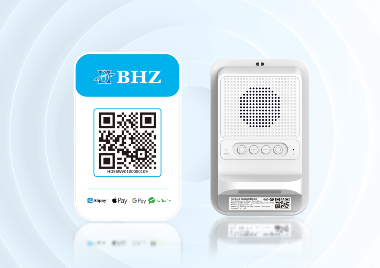
BHZ applies this approach to payment products such as Smart POS terminals. We connect the secure hardware layer with the device architecture and application requirements. The Android Smart POS uses an AP and security-processor architecture that isolates transaction data from the main application environment. It supports card, NFC, and QR payments, while its platform also provides connectivity and application capabilities for different merchant environments.
For digital identity, we integrate secure hardware with PKI and OTP authentication technologies. BHZ’s PKI Tokens and OTP Tokens use dedicated security hardware to protect authentication credentials and support controlled cryptographic operations. As UKey-related products, they can be integrated into financial and enterprise authentication workflows, allowing sensitive credentials and authentication functions to be handled within a protected hardware environment rather than relying solely on general-purpose software.
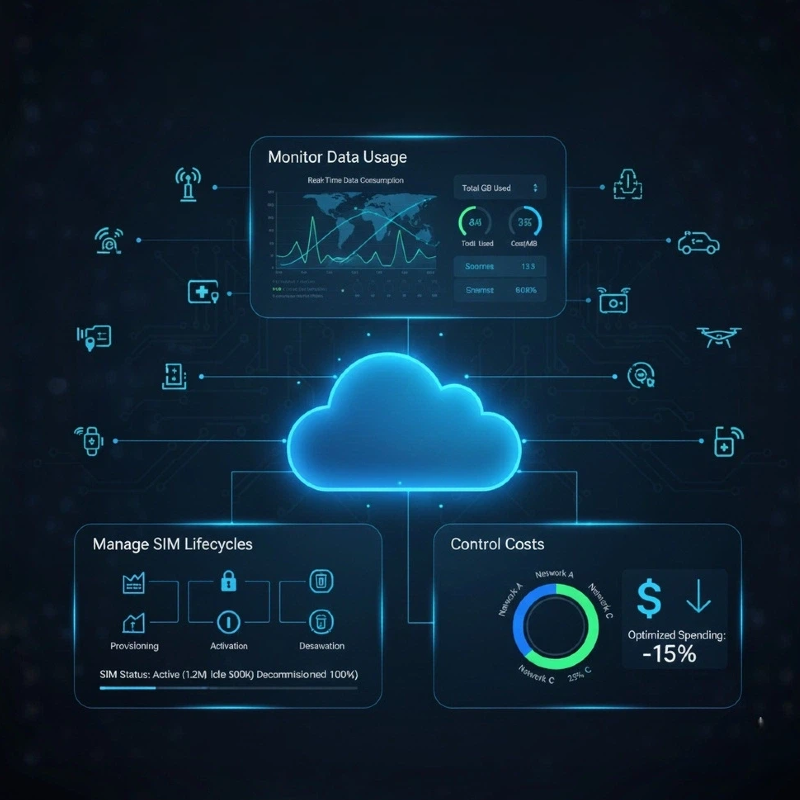
Connectivity provides another practical application. Under the BHDC brand, our SIM and eSIM products use secure element technology to protect subscriber credentials and support authentication. The BHDC eSIM solution embeds identity credentials in a tamper-resistant eUICC and supports consumer, industrial, and automotive applications. This security layer works together with connectivity management and device requirements.
We also apply secure hardware to NFC Car Keys under the BHDC brand. Our NFC car key card integrates a Secure Element and uses NFC to establish an encrypted connection with the vehicle. The battery-free card supports tap-to-unlock access and can be used as a practical credential for vehicle access. The underlying security component therefore becomes part of a complete automotive product rather than a standalone chip.
What Enterprises Should Evaluate
When enterprises select digital security solutions, they should look beyond a chip’s security functions. The first consideration is chip adaptation. Different products have different processors, interfaces, operating environments, form factors, and certification requirements. The security component needs to fit the target architecture without creating unnecessary redesign work.
Embedded development expertise is equally important. Enterprises should assess whether a supplier can support COS development, application integration, SDK adaptation, personalization, and secure key management. These capabilities determine how effectively the hardware foundation can become a functioning product.
Customization is another practical factor. Payment terminals, eID credentials, eSIM products, and automotive keys have different business logic and deployment conditions. A supplier should have the technical capability to adapt security functions, software, interfaces, and production processes to the intended application.
Finally, large-scale delivery matters when a solution moves from evaluation to commercial deployment. Production equipment, issuance systems, quality processes, supply stability, and lifecycle management can influence delivery performance. BHZ’s experience across payment, identity, connectivity, and automotive applications allows us to connect chip technology with embedded products and scalable production requirements.
Secure chips provide a strong hardware foundation for protecting digital credentials and sensitive data, but their value depends on the engineering around them. We combine secure hardware, embedded development, customization, and production capabilities to turn that foundation into practical products and solutions. For enterprises evaluating BHZ, this integrated approach can simplify the path from security architecture and device adaptation to commercial deployment.