
















As mobile connectivity becomes increasingly digital, consumers expect more streamlined and simpler ways to activate network services on their devices. Traditional physical SIM cards require production, delivery, and manual installation before users can access mobile services. In contrast, eSIM technology allows connectivity profiles to be delivered digitally and activated through a guided process. The BHDC consumer eSIM management solution supports mobile carriers and device manufacturers in providing a more convenient activation experience while improving the efficiency of connectivity management.
The Basic Process of Consumer eSIM Activation
Consumer eSIM activation usually starts when a mobile carrier provides users with digital activation information. Instead of receiving a physical SIM card, users can activate their mobile service through methods such as scanning a QR code or using a carrier application.
QR code activation is a widely used approach. After purchasing a mobile service plan, users receive an activation QR code from the carrier. By scanning this code through the device settings, the device can connect with the carrier’s system and begin downloading the required eSIM profile.
Another common method is activation through a carrier app. In this process, users open the application provided by the mobile operator and follow the instructions to complete service activation. The application guides users through the necessary steps and communicates with the carrier’s eSIM platform.
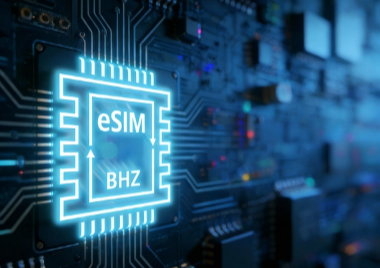
Within the BHDC consumer eSIM management solution, these activation methods are supported through digital profile management. The platform helps carriers manage eSIM profiles and deliver connectivity services to compatible devices without relying on physical SIM distribution.
This process provides a more flexible approach for both users and service providers. Users can activate connectivity directly on their devices, while carriers can manage profile delivery through digital systems.
User-Visible Steps: Profile Download, Installation, and Activation
Although eSIM activation is supported by complex backend systems, the user experience is designed to be simple. From the consumer’s perspective, the process mainly includes profile download, profile installation, and final activation.
The first step is profile download. After users scan a QR code or start activation through a carrier app, the device connects to the eSIM management system. The system then delivers the required connectivity profile to the device. This profile contains the information needed for the device to connect with the selected mobile network.
The second step is profile installation. After the profile is downloaded, the device installs it into the embedded SIM component. During this stage, the device prepares the network configuration and stores the profile securely for future communication.
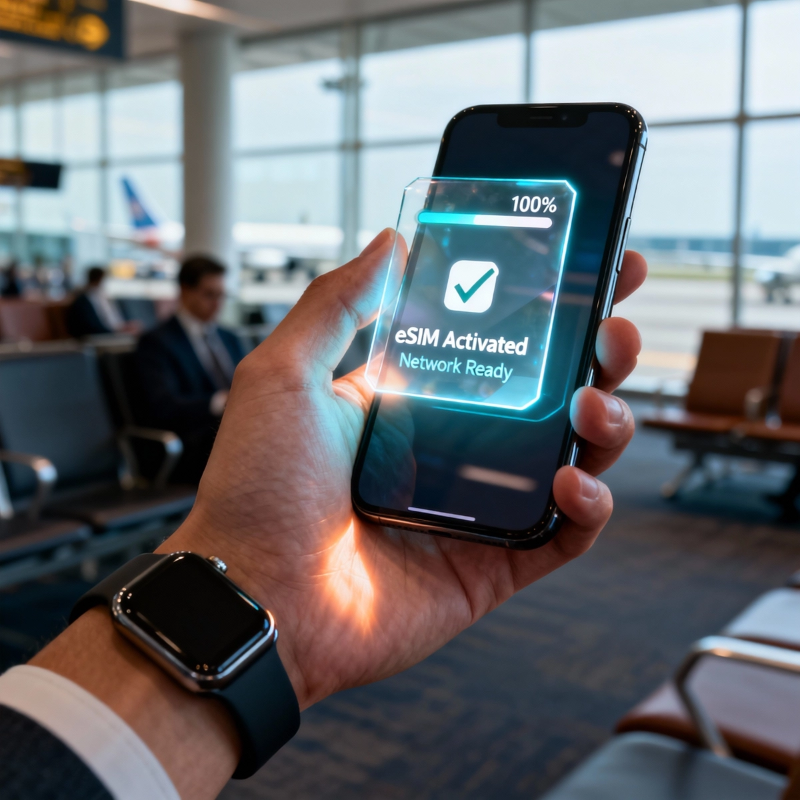
The third step is activation. Once the profile installation is complete, users can activate the service through the device settings or carrier application. After successful activation, the device can connect to the mobile network and begin using the selected service plan.
For consumers, this digital workflow can remove the need to insert a physical SIM card. Users do not need to open SIM trays, replace cards, or wait for physical delivery. The digital workflow provides a simpler setup experience when activating a new device or changing connectivity services.
An effective eSIM management system supports this process by allowing carriers to organize profile creation, delivery, and activation procedures. It creates a connection between carrier services and user devices while maintaining a smooth activation experience.
Reducing Physical SIM Operations for Carriers and Device Manufacturers
The transition from physical SIM cards to eSIM technology changes how carriers and device manufacturers manage connectivity services.
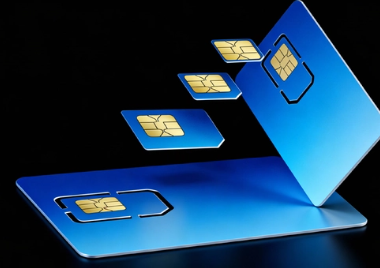
For mobile carriers, physical SIM operations usually involve card production, inventory management, logistics, and distribution. When customers need new services, operators may need to provide physical cards and support manual installation processes.
With eSIM technology, carriers can reduce the need for physical SIM issuance. Connectivity profiles can be delivered digitally, allowing users to activate services without receiving a separate card. This helps simplify service delivery and reduces operational work related to SIM production and transportation.
For device manufacturers, eSIM also provides advantages during product development and deployment. Traditional SIM-based devices require SIM slots and physical card handling during manufacturing. By integrating eSIM technology, manufacturers can reduce dependence on physical SIM components and create more flexible product designs.
This is especially valuable for devices sold across different regions. Manufacturers often need to support different operators and connectivity requirements in global markets. Digital profile management allows them to prepare devices more efficiently without managing large quantities of region-specific physical SIM cards.
The BHDC consumer eSIM solution helps carriers and manufacturers improve connectivity management through digital processes. By supporting profile delivery and activation workflows, the solution reduces manual operations and simplifies the connection between devices and mobile networks.
Creating a Smooth Activation Experience for Better Service Efficiency
A simple and reliability-focused eSIM activation process creates value for both users and businesses. For consumers, the main benefit is convenience. They can activate mobile services digitally without waiting for physical SIM delivery or visiting service locations for installation support.
A smoother activation experience can also improve customer satisfaction. When users can complete setup through QR codes or carrier applications, they can start using connectivity services more quickly and with fewer difficulties.
For mobile carriers, easier activation reduces pressure on customer support teams. Fewer manual SIM-related requests allow service teams to focus on other customer needs while maintaining efficient service operations.
For device manufacturers, supporting digital activation improves the overall product experience. Connectivity becomes a natural part of device setup rather than a separate step requiring additional hardware management.
A reliability-focused eSIM management platform provides the foundation for this experience by helping businesses manage profiles, activation processes, and user connectivity services. The BHDC solution supports companies in creating simpler digital activation workflows for modern connected devices.
As eSIM adoption continues to grow, the ability to provide a smooth activation experience becomes an important part of digital connectivity services. By reducing physical SIM operations and improving user convenience, eSIM management solutions help carriers and manufacturers deliver more efficient and flexible mobile experiences.