
















Two components play different but connected roles in eSIM provisioning: eUICC and SM-DP+. The eUICC is the secure SIM carrier built into a device, while SM-DP+ is responsible for preparing and delivering eSIM profiles. In simple terms, one provides the secure environment for the profile, while the other manages how the profile reaches the device. Understanding this relationship makes it easier to see how eSIM services can be activated and managed remotely. The BHDC end-to-end eSIM solution supports the technologies required for this process.

Understanding eUICC and SM-DP+ in eSIM Technology
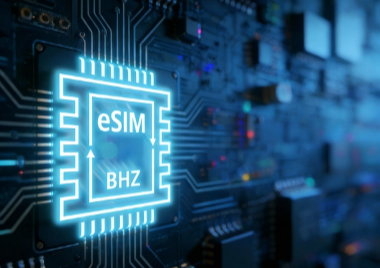
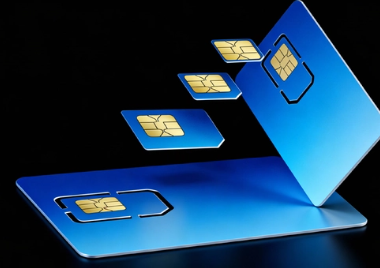
An eUICC can be simply understood as a remotely configurable SIM carrier built into a device. It is a hardware component that replaces the role of a traditional removable SIM card while providing additional flexibility for remote profile management.
Inside devices such as smartphones, IoT terminals, and connected vehicles, the eUICC provides a secure environment for storing and managing multiple eSIM profiles. These profiles contain the information required for connecting to different mobile networks. Unlike traditional SIM cards, the eUICC does not need to be physically removed when connectivity requirements change.
The ability to remotely configure the eUICC allows enterprises to manage connectivity after devices have already been deployed. This is especially important for products that operate across different regions or have long service lifecycles.
SM-DP+, or Subscription Manager Data Preparation Plus, is the platform responsible for eSIM profile preparation, distribution, and management. It works as a key service component that enables operators and enterprises to deliver profiles securely to eUICC-enabled devices.
While the eUICC acts as the secure profile carrier inside the device, SM-DP+ manages the profile delivery process. It prepares the required profile, stores profile information securely, and sends the correct profile to the target device when authorized.
Together, eUICC and SM-DP+ form the foundation of remote provisioning. The eUICC provides secure storage and execution capabilities, while SM-DP+ provides the management and distribution functions required for digital connectivity services.
How eUICC and SM-DP+ Work Together in BHDC Remote Provisioning
A complete eSIM solution requires cooperation between device hardware and profile management systems. In the BHDC end-to-end eSIM solution, eUICC and SM-DP+ work together to complete the remote provisioning process.
The process begins when a mobile operator or service provider prepares an eSIM profile according to the customer’s connectivity requirements. The profile contains the necessary network information required for the device to access mobile services.
After the profile is prepared, the SM-DP+ platform manages the profile delivery process. It helps that the correct profile is provided to the intended device through a secure communication channel.
When the device receives the profile information, the eUICC downloads and stores the profile securely. The eUICC then enables the device to use the selected connectivity service according to the profile configuration.
After successful provisioning, the device can connect to the mobile network without requiring a physical SIM card replacement. If connectivity requirements change in the future, new profiles can be managed through remote processes.
The BHDC solution helps businesses connect device-side eSIM capabilities with profile management systems. This combination supports more flexible deployment and reduces the operational challenges caused by traditional SIM replacement.
eSIM Provisioning Scenarios for Smartphones, IoT Devices, and Connected Vehicles
The cooperation between eUICC and SM-DP+ supports different provisioning scenarios across multiple industries.
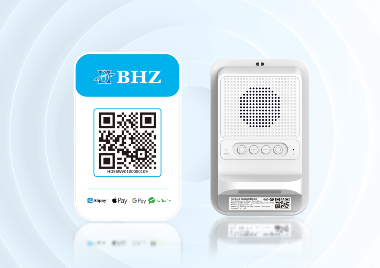
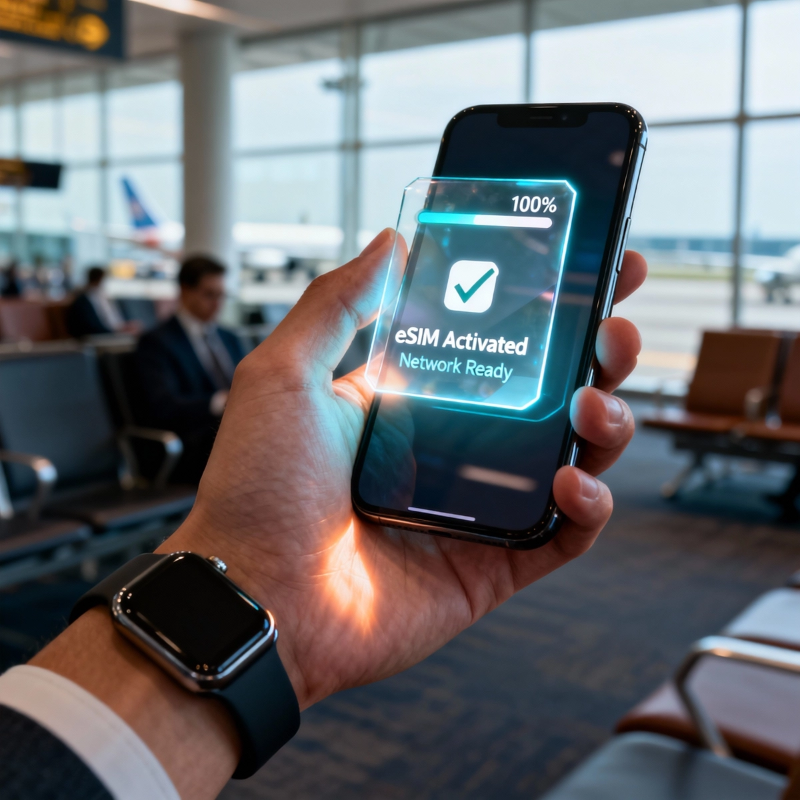
For smartphones, eSIM provisioning provides a simpler way for users to activate mobile services. A user can scan a QR code provided by a carrier or complete activation through a carrier application. The SM-DP+ platform delivers the required profile, and the smartphone’s eUICC stores and activates the profile. This process improves convenience by removing the need for physical SIM installation.
For IoT devices, eSIM provisioning provides greater flexibility for large-scale deployments. Industrial sensors, smart equipment, and connected terminals may be installed in different regions where network requirements vary. Through remote profile delivery and management, enterprises can adjust connectivity settings without physically accessing every device.
For connected vehicles, eSIM technology supports long-term connectivity throughout the vehicle lifecycle. Vehicles may travel across different regions and require support from different network operators. Remote provisioning allows automotive manufacturers and service providers to manage connectivity profiles more efficiently after vehicles leave production facilities.
In each application, eUICC and SM-DP+ provide complementary functions. The eUICC is designed to provide secure profile storage inside devices, while SM-DP+ provides the platform needed for profile management and remote delivery.
For businesses managing large numbers of connected devices, choosing an experienced eSIM management platform provider can also help simplify profile operations and support different connectivity requirements across regions.
Understanding the Roles of eUICC and eSIM Management Platforms
When evaluating an eSIM solution, businesses should first understand that eUICC hardware and eSIM management platforms serve different roles in the connectivity ecosystem. The eUICC is integrated into the device and provides a secure environment for storing and managing eSIM profiles. By contrast, SM-DP+ is a network-side platform used primarily by mobile network operators and connectivity service providers to prepare, manage, and securely deliver eSIM profiles.
For device manufacturers and IoT businesses, the focus is generally on integrating eUICC technology into the target product and ensuring that the device can work with the required eSIM provisioning and connectivity processes. Depending on the application, software components such as LPA or IPA SDKs may also be required to connect eSIM functions with the device’s operating environment.
Mobile network operators and connectivity service providers have different requirements. They may use SM-DP+ and related management platforms to prepare eSIM profiles, manage provisioning processes, and deliver profiles to compatible devices. These platforms provide the network-side infrastructure needed to support remote profile provisioning and lifecycle management.
The specific responsibilities therefore depend on an organization’s position in the eSIM ecosystem. Device manufacturers may focus on eUICC hardware and software integration, while operators and connectivity providers may require profile management and SM-DP+ capabilities. Coordination between these layers allows eSIM-enabled devices to connect with the appropriate network services.
The BHDC eSIM solution provides capabilities across these different technical layers, including eUICC technology, eSIM management platforms, and software integration support. By understanding how each component fits into the overall provisioning architecture, businesses can identify the technologies and services that are relevant to their specific role and deployment requirements.
Understanding the relationship between eUICC and SM-DP+ therefore helps businesses evaluate eSIM solutions more accurately. Rather than assuming that every organization needs to operate both components, companies can determine which hardware, software, platform, and integration capabilities are required based on their position in the connectivity ecosystem.