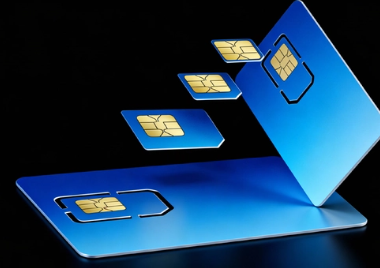












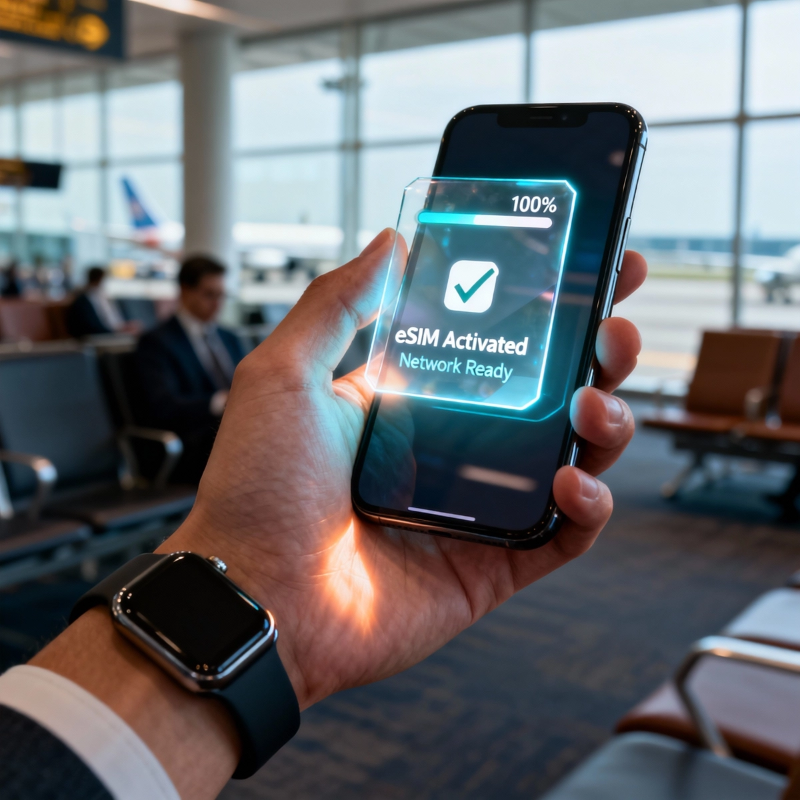






As digital connectivity continues to expand across smartphones, IoT devices, and connected products, enterprises need more flexible ways to manage network services. Unlike traditional SIM cards that require physical replacement, eSIM technology uses digital profiles that can be delivered, updated, and managed remotely. The BHDC eSIM management platform supports businesses in controlling eSIM profile operations throughout the service lifecycle and improving connectivity management efficiency.

Understanding eSIM Profiles and the Importance of Remote Management
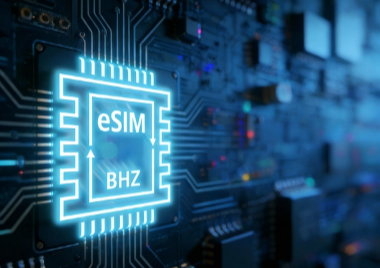
An eSIM profile is a digital configuration that contains the subscription information required for a device to connect to a mobile network. Instead of being stored on a removable SIM card, this information is securely stored within an eUICC embedded inside the device.
The eSIM profile allows a device to access mobile services according to the selected operator and service plan. When connectivity requirements change, the profile can be managed through remote processes rather than requiring users or technicians to physically replace a SIM card.
Remote profile management is a key component of eSIM services because modern devices often operate across different locations and have long service lifecycles. Smartphones may require users to change mobile plans, while IoT devices and connected equipment may need different network configurations after deployment.
Without remote management capabilities, enterprises would still face challenges similar to traditional SIM operations, such as physical replacement, manual installation, and additional maintenance work. A complete eSIM management platform provides the system needed to manage profile delivery, activation, updates, and other lifecycle operations.
The BHDC solution helps mobile operators, device manufacturers, and enterprises manage eSIM profiles more efficiently. By supporting remote profile operations, businesses can maintain greater flexibility when managing connected devices.
Common eSIM Profile Operations Supported by BHDC
An eSIM profile requires several operations throughout its lifecycle, from initial delivery to final removal. These functions allow users and enterprises to manage connectivity according to changing requirements.
The first operation is profile downloading. During this stage, the required eSIM profile is delivered from the management system to the target device. After authorization, the device receives the profile and stores it securely within the eUICC. This process allows the device to prepare for mobile network access without using a physical SIM card.
The second operation is profile activation. After the profile has been downloaded and installed, it can be activated to enable network connectivity. Once activated, the device can use the selected operator service according to the configured subscription.
The third operation is profile deactivation. In some cases, a profile may need to be temporarily disabled without being permanently removed. Deactivation allows enterprises or users to manage connectivity status according to specific service requirements.
The fourth operation is profile switching. Some devices may require different connectivity options based on location, operator availability, or business needs. Through profile switching, users and enterprises can change between available profiles remotely.
The fifth operation is profile deletion. When a profile is no longer needed, it can be removed from the device management system. This helps maintain organized profile control and supports proper lifecycle management.
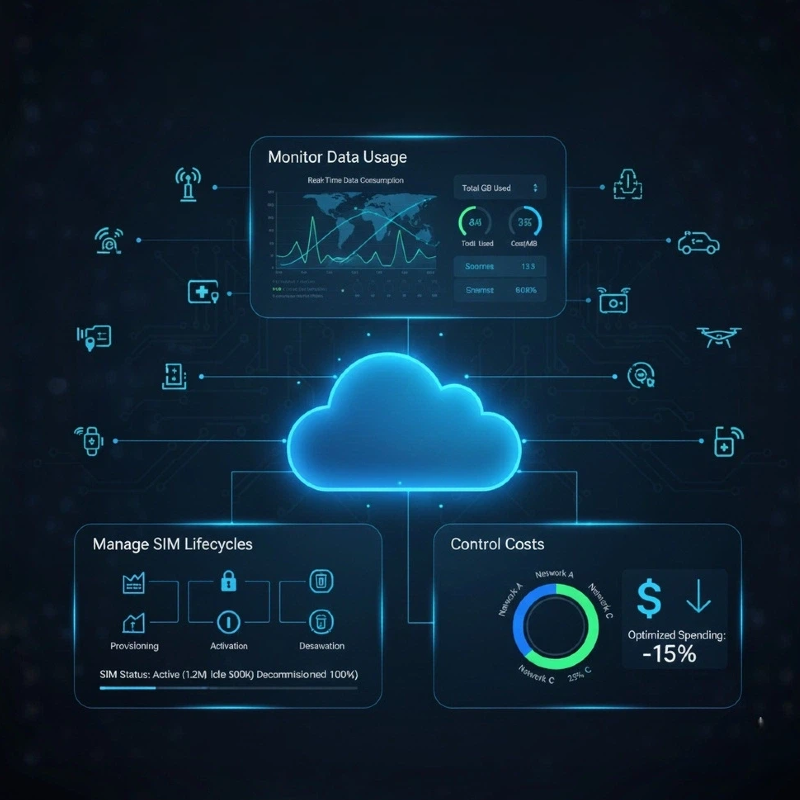
Within the BHDC management platform, these operations are supported through centralized digital processes. By managing downloading, activation, deactivation, switching, and deletion, the platform helps businesses handle eSIM connectivity more effectively.
Supporting Plan Changes, Cross-Regional Usage, and Enterprise Device Management
Remote eSIM profile management creates practical value in different business scenarios, especially when connectivity requirements change after device deployment.
For user plan changes, eSIM management provides a simpler way for consumers to update mobile services. Instead of receiving a new physical SIM card, users can activate a new profile or adjust connectivity services through digital processes. This improves convenience and reduces the steps required when changing mobile plans.
For cross-regional device usage, remote profile management helps businesses support products deployed in different markets. Devices operating in multiple countries may require different operators due to coverage, service agreements, or regional requirements. Through remote profile operations, enterprises can adjust connectivity without physically accessing each device.
For enterprise bulk management, eSIM profile control becomes especially important when companies operate large numbers of connected devices. IoT enterprises may deploy thousands of sensors, terminals, or industrial devices across different locations. Managing these devices individually through physical SIM methods can create significant operational challenges.
A centralized eSIM management platform allows enterprises to manage multiple profiles and devices through a unified system. This improves visibility and reduces manual work when updating connectivity services across large-scale deployments.
The BHDC solution supports businesses that need flexible connectivity management for consumer devices, IoT applications, and other connected products. Remote profile operations help enterprises improve efficiency while adapting to changing connectivity requirements.
Operational Value for MNOs, OEMs, and IoT Enterprises
Complete eSIM profile lifecycle management provides different benefits for mobile network operators (MNOs), original equipment manufacturers (OEMs), and IoT enterprises.
For MNOs, effective profile management improves the efficiency of connectivity service delivery. Operators can provide digital activation services, manage subscriptions remotely, and reduce dependence on physical SIM distribution processes.
For OEMs, profile lifecycle management simplifies global device deployment. Manufacturers can reduce the complexity of preparing different physical SIM versions for different markets and support more flexible connectivity strategies for their products.
For IoT enterprises, remote profile management improves long-term device operation. Businesses can manage connectivity changes across large device networks without requiring frequent field maintenance, which helps reduce operational complexity.
When selecting an eSIM solution, enterprises should consider not only the embedded SIM technology but also the management capabilities behind it. A reliability-focused eSIM management platform provider should offer the technical foundation required for profile lifecycle control and long-term connectivity management.
BHDC eSIM management capabilities help businesses build more flexible connectivity models. By supporting complete profile lifecycle operations, we enable MNOs, OEMs, and IoT enterprises to manage connected devices more efficiently and prepare for future digital service expansion.