

















As IoT applications continue to expand, enterprises are deploying connected devices in environments that require stable and long-term communication. From smart meters and industrial equipment to vehicles and payment terminals, different devices face different operating conditions and connectivity challenges. Therefore, evaluating the reliability of an IoT SIM card requires more than checking basic network access. Businesses need to consider whether the SIM solution can support the device environment, service lifecycle, and maintenance requirements.

IoT Reliability Requirements Across Different Application Scenarios
IoT devices are often expected to operate continuously for years after deployment. Unlike consumer products that can be replaced easily, many IoT terminals are installed in locations where maintenance is difficult and costly. A reliability-focused connectivity solution needs to match the specific requirements of each application scenario.
For smart meters, stable connectivity is essential because these devices are commonly deployed outdoors and used for long-term data collection. They need to transmit information consistently while facing environmental changes such as temperature fluctuations and weather conditions. A suitable IoT SIM card should support reliability-focused communication throughout the expected service period of the meter.
Industrial equipment has more demanding requirements because devices may operate in factories, energy facilities, or other complex environments. Industrial IoT terminals may experience continuous operation, vibration, and changing environmental conditions. The SIM product used in these systems needs to maintain stable performance while supporting long-term industrial operations.
Vehicles represent another important IoT application area. Connected vehicles require communication capabilities throughout their lifecycle, which may last many years. Because vehicles operate in moving environments, connectivity components need to withstand conditions such as vibration, temperature variation, and frequent location changes.
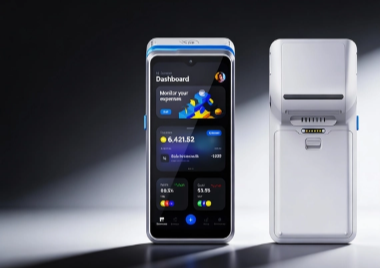
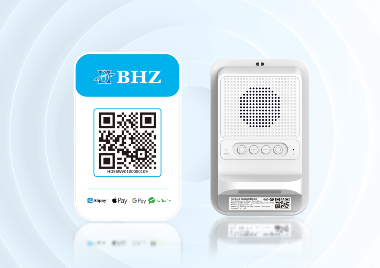
Payment terminals also depend on connectivity because transaction processes require stable communication. Whether used in retail environments, transportation systems, or other service scenarios, payment devices need consistent network access to support daily operations.
By understanding the requirements of each application, enterprises can select suitable IoT SIM cards that match the operating conditions of their devices.
Key Criteria for Evaluating IoT SIM Reliability
When evaluating IoT SIM reliability, enterprises should focus on several practical criteria, including temperature range, service life, vibration resistance, and long-term data retention.
Temperature range is one of the basic factors for evaluating whether a SIM product can operate in a specific environment. IoT devices may be installed outdoors, inside vehicles, or in industrial locations where temperatures can change significantly. A suitable SIM solution should maintain stable performance within the expected operating temperature range.
Service life is another important consideration. Many IoT devices are designed for long-term deployment and may remain active for several years without replacement. The selected SIM product should support the device lifecycle and maintain reliability-focused connectivity during extended operation.
Vibration resistance is especially important for applications such as vehicles and industrial equipment. Connected devices installed in these environments may experience continuous mechanical movement. A reliability-focused SIM product should be designed to maintain stable operation when exposed to vibration and physical stress.
Long-term data retention is also an important evaluation factor. IoT devices often rely on stored information related to connectivity and security functions. The SIM solution needs to maintain data integrity during long periods of operation to support reliability-focused device performance.
These evaluation factors help enterprises understand whether a SIM product is suitable for their specific deployment environment. Instead of selecting products only based on connectivity functions, businesses should consider the complete operating conditions of the device.
BHDC IoT SIM and Automotive-Grade SIM/eSIM Options
Different IoT applications require different product grades. A SIM solution suitable for basic connected devices may not meet the requirements of industrial systems or automotive applications. Enterprises need to select products according to environmental conditions, device lifecycle, and operational expectations.
BHDC IoT SIM solutions are designed to support various connected applications that require reliability-focused communication. They can be used in scenarios where devices need stable connectivity and long-term operation, including industrial IoT deployments and other enterprise applications.
For automotive applications, automotive-grade SIM and eSIM products require additional consideration because vehicles typically have long service lifecycles and demanding operating environments. BHDC provides SIM/eSIM hardware for front-loading automotive applications and has IATF 16949 certification, an important quality management standard in the automotive supply chain. For suppliers supporting vehicle manufacturers and automotive component programs, compliance with IATF 16949 can be an important supply-chain entry requirement. This quality foundation, together with hardware designed for automotive operating conditions, supports the requirements of long-term vehicle connectivity.
Industrial equipment also requires appropriate product selection. Devices used in manufacturing, infrastructure, or outdoor environments may face conditions that differ from consumer applications. Selecting a suitable SIM grade can help align connectivity components with the relevant system requirements.
BHDC solutions help enterprises choose appropriate SIM products based on application scenarios. Different devices require different levels of durability and performance, making product selection an important part of successful IoT deployment.
Selecting the Right SIM Solution for Long-Term IoT Deployment
Choosing an IoT SIM solution requires enterprises to evaluate the relationship between the product and the actual deployment environment. A suitable solution should match three key factors: operating environment, device lifespan, and maintenance costs.
The operating environment determines the basic reliability requirements of the SIM product. Devices installed outdoors, in industrial facilities, or in vehicles may require different levels of durability compared with devices used in controlled environments.
Device lifespan is another important factor. Products designed for long-term operation need connectivity components that can continue working throughout the expected service period. Selecting an appropriate SIM solution helps reduce the risk of future connectivity issues.
Maintenance costs should also be considered during the evaluation process. For devices deployed in remote or difficult-to-access locations, replacing SIM components can require significant time and resources. Choosing a suitable product from the beginning can help reduce future maintenance challenges.
BHDC IoT SIM solutions support enterprises in selecting connectivity products that fit their specific application requirements. By considering environmental conditions, device lifecycle, and operational costs, businesses can build more reliability-focused IoT systems and support long-term digital operations.