










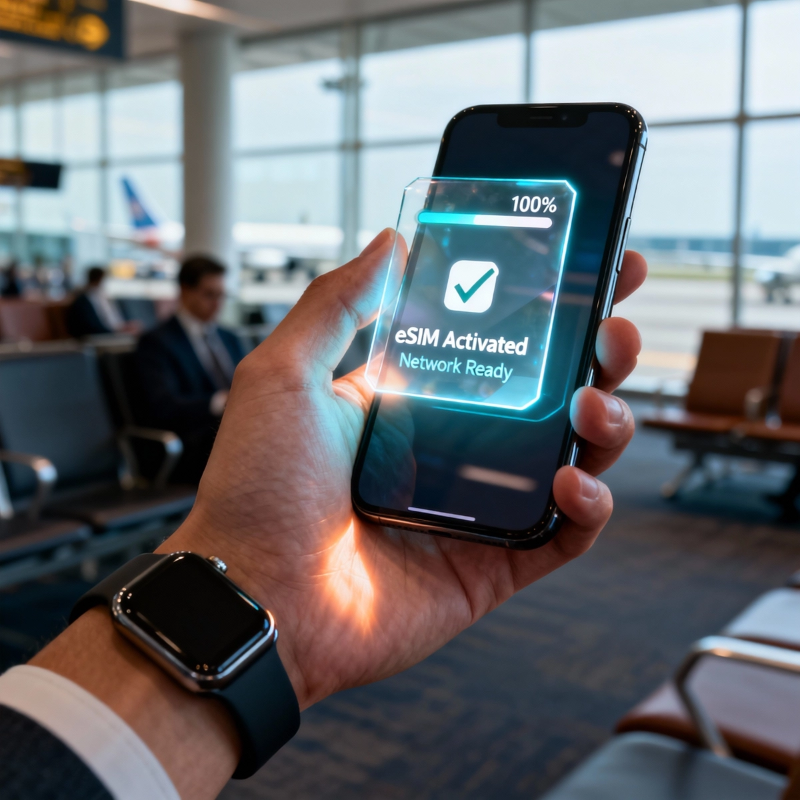






The expansion of IoT applications has created new challenges for device connectivity management. When thousands or even millions of devices are deployed across different regions, traditional SIM management methods can become difficult to maintain. Physical SIM replacement, manual configuration, and local maintenance requirements may increase operational complexity and affect deployment efficiency. To address these challenges, the BHDC eSIM IoT Remote Manager supports more flexible connectivity management based on evolving eSIM technologies such as SGP.32.

Challenges of Traditional SIM Management in Large-Scale IoT Deployment
Traditional SIM cards have supported mobile connectivity for many years, but large-scale IoT projects often require more flexible management methods. When devices operate across different countries or regions, changing connectivity providers may require physical SIM replacement or manual intervention.
For example, an IoT company deploying smart meters in multiple regions may need to manage different network operators according to local coverage and service availability. With traditional SIM deployment methods, replacing cards in large numbers of devices can require significant labor, time, and maintenance resources.
Manual configuration also creates challenges for long-term device operation. Many IoT devices are installed in remote locations or difficult-to-access environments, making physical maintenance inconvenient. Transportation equipment, industrial devices, and connected vehicles may operate for years after deployment, which increases the importance of remote management capabilities.
For these applications, companies need connectivity solutions that can adapt to changing network conditions while reducing dependence on physical replacement. An advanced eSIM IoT remote manager provides a more efficient approach by enabling centralized management of connected devices.
SGP.32 Enables Flexible eSIM IoT Management
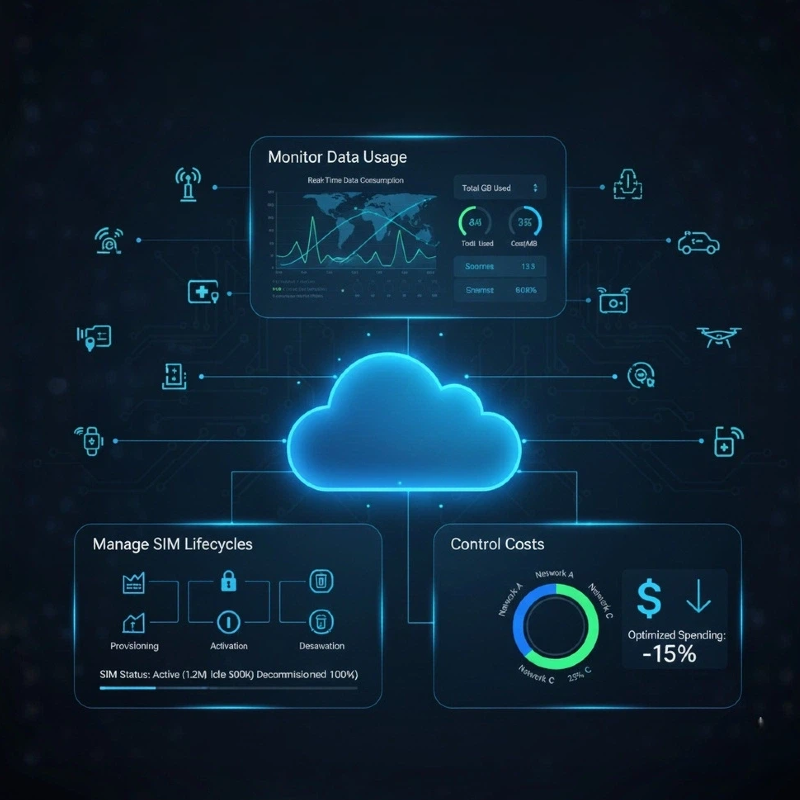
SGP.32 introduces a more flexible approach to eSIM IoT connectivity by supporting remote provisioning, profile management, and simplified device connectivity operations. Through the BHDC eSIM IoT Remote Manager, customers can manage connectivity resources more efficiently throughout the device lifecycle.
Remote provisioning is one of the key advantages of SGP.32. Instead of replacing physical SIM cards, operators and IoT companies can remotely configure connectivity profiles according to deployment requirements. This capability helps reduce maintenance costs and improves operational flexibility, especially for large-scale IoT projects.
Batch management is another important function. When thousands of devices need to be managed simultaneously, centralized control allows companies to configure, update, and monitor multiple devices more efficiently. This is particularly valuable for enterprises operating large fleets of connected equipment.
Network switching capability also supports more adaptable IoT deployments. Devices may need to connect through different carriers depending on geographic location, service availability, or business requirements. With flexible profile management, companies can optimize connectivity strategies without changing physical hardware.
Through the BHDC platform, customers can manage eSIM-enabled IoT devices with greater flexibility. The eSIM IoT manager capabilities help enterprises improve connectivity control while supporting long-term device operation.
Practical Applications Across Different IoT Scenarios
SGP.32-based eSIM management can provide value across various industries where device connectivity needs to remain stable and adaptable.
Smart meters are a typical example. Utility companies often deploy large numbers of meters across wide geographic areas, and many devices may remain in service for years. Remote provisioning and centralized management help reduce the need for field visits while supporting continuous connectivity management.
Transportation equipment is another important application. Logistics companies and transportation operators may manage vehicles or equipment across different regions. Flexible eSIM management allows these devices to maintain connectivity while adapting to changing network requirements.
Connected vehicles also benefit from remote connectivity management. Automotive manufacturers need solutions that support long-term operation, regional deployment, and reliability-focused communication services. Remote profile management can simplify connectivity updates throughout the vehicle lifecycle.
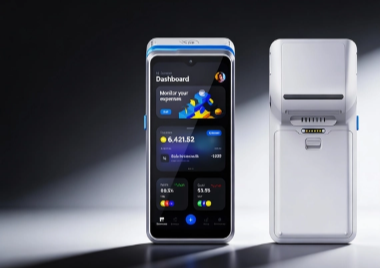
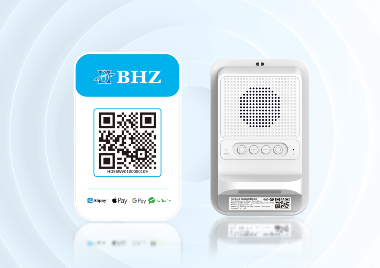
Payment terminals represent another scenario where stable connectivity is essential. Retail and financial service providers may deploy payment devices in different locations and require secure, reliability-focused communication. Flexible eSIM management helps support efficient device operation without frequent manual maintenance.
IoT Projects That Benefit from SGP.32 Adoption
Not every IoT project requires advanced eSIM management capabilities, but certain applications can gain significant advantages from adopting SGP.32-based solutions. Projects with long service lifecycles, large device volumes, or multi-carrier requirements are especially suitable.
Long-term IoT deployments often involve devices that remain active for many years. Examples include smart infrastructure, industrial equipment, and connected transportation systems. For these projects, reducing physical maintenance requirements can improve operational efficiency.
Projects requiring multi-carrier support can also benefit from SGP.32. Different regions may have different network environments, and companies may need flexible connectivity options to maintain stable services. Remote profile management allows enterprises to adjust connectivity strategies without replacing hardware.
Large-scale device management is another important application area. When companies operate thousands of connected devices, centralized management becomes essential for improving efficiency and reducing operational workload.
As IoT ecosystems continue to expand, flexible connectivity management will become increasingly important. Through the BHDC eSIM IoT Remote Manager, customers can manage connected devices with greater efficiency and adaptability.
By supporting remote provisioning, batch management, and flexible network operations,SGP.32 provides a practical foundation for future IoT connectivity. The eSIM IoT remote manager solutions are designed for enterprises that need scalable and manageable connectivity with a focus on reliability throughout the lifecycle of their IoT deployments.