



















Selling connected devices across multiple countries can make SIM management difficult for OEMs. Different markets may involve different mobile operators, SIM requirements, and connectivity arrangements, forcing manufacturers to coordinate procurement and prepare suitable SIM configurations for each deployment. Once devices are in the field, operator changes or connectivity issues may also require physical SIM replacement, adding maintenance work and making large-scale after-sales support more difficult.
These challenges become more significant when products have long service lifecycles or are deployed across widely distributed locations. For OEMs, the ability to manage connectivity after devices leave the factory can therefore be as important as the SIM solution selected during production. BHDC eSIM and remote management capabilities provide an approach that allows connectivity to be managed digitally after deployment.

Connectivity Challenges OEMs Face in Multi-Country Device Sales
When OEMs sell connected devices in multiple countries, selecting and managing SIM cards can become a major challenge. Different regions may require cooperation with different mobile network operators, which means manufacturers often need to prepare various SIM products according to local connectivity requirements.
This approach can increase supply chain complexity during production. OEMs may need to manage different SIM suppliers, card specifications, and operator requirements for the same product model. These differences can affect production planning and increase the difficulty of large-scale device deployment.
After devices leave the factory, connectivity management becomes even more challenging. If a device needs to change operators, adjust network configurations, or support a new market, traditional physical SIM replacement may require manual operations. For devices installed in remote locations or deployed in large quantities, replacing SIM cards can result in higher maintenance costs and longer service processes.
Operator management is another concern for OEMs. Connected products often have long service lifecycles, and network conditions or business requirements may change over time. Without flexible management methods, manufacturers may have limited options when adapting device connectivity after deployment.
For these reasons, OEMs increasingly require solutions that allow connectivity adjustments without depending on physical SIM replacement. A flexible eSIM IoT remote manager provides a more efficient approach for managing connected devices across different markets.
Flexible Connectivity Adjustment After Factory Delivery
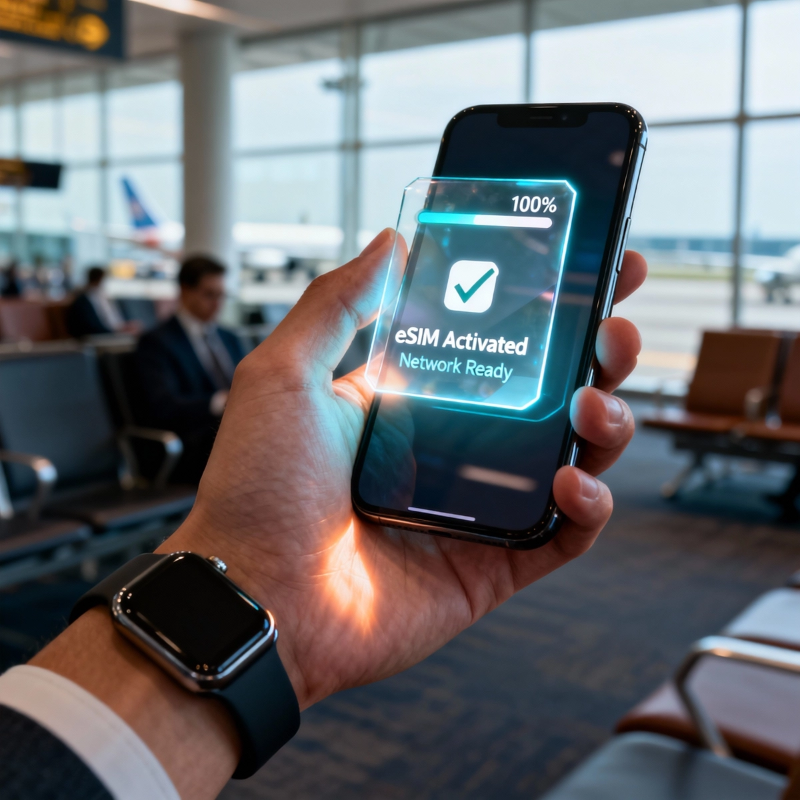
One of the key benefits of the BHDC eSIM and remote management platform is that OEMs can adjust connectivity schemes after devices have already been delivered. Instead of fixing network settings permanently during manufacturing, companies can manage eSIM profiles remotely according to actual deployment requirements.
This capability provides greater flexibility for global product distribution. An OEM can produce a device for multiple markets while maintaining the ability to configure suitable connectivity options after shipment. This reduces the need to create separate hardware versions for different regions.
Remote eSIM management also helps OEMs respond to changing business conditions. If a device needs to support a different operator or a new connectivity service, manufacturers can update the relevant profile remotely rather than arranging physical maintenance.
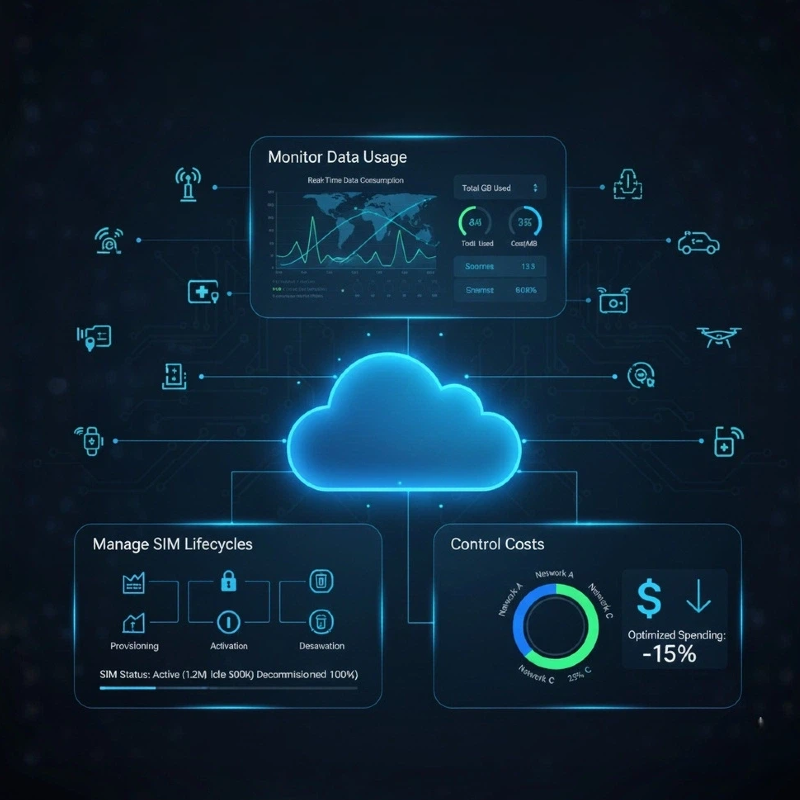
For large-scale IoT projects, this management approach improves efficiency by reducing manual operations. Companies can manage connectivity information centrally and handle multiple devices more effectively.
The BHDC platform provides an eSIM IoT manager solution that supports remote profile management and flexible connectivity operations. This allows OEMs to maintain better control over device connectivity throughout the deployment process.
Reducing On-Site Maintenance Across Different Applications
Remote eSIM management provides practical value across consumer electronics, IoT devices, and automotive applications. These scenarios often involve products distributed across wide geographic areas, where physical maintenance can be difficult and expensive.
For consumer electronics manufacturers, products may be sold in different countries with different operator environments. Remote connectivity management allows manufacturers to support regional requirements without preparing multiple physical SIM versions or requiring users to replace SIM cards.
For IoT devices, reducing field maintenance is especially important. Many smart devices, sensors, and connected equipment are installed in locations where regular access is inconvenient. With remote eSIM management, companies can adjust connectivity settings without sending technicians to replace physical cards.
Automotive applications also benefit from flexible connectivity control. Connected vehicles may operate across different regions during their service life, and manufacturers need reliability-focused methods to manage network services after vehicles are delivered. Remote eSIM solutions help reduce maintenance complexity while supporting long-term connectivity requirements.
BHDC solutions help OEMs improve connectivity management efficiency across different application scenarios. By reducing dependence on physical intervention, remote management supports smoother operation of connected products.
Benefits of Remote Management for Global OEM Deployment
For OEMs, remote eSIM management creates advantages in global deployment, after-sales operations, and future product expansion. By enabling flexible connectivity adjustment, manufacturers can simplify international sales strategies and reduce the complexity of managing different SIM configurations.
During global deployment, OEMs can support different markets through a more adaptable connectivity approach. This helps manufacturers improve production flexibility and respond more efficiently to regional requirements.
In after-sales operations, remote management reduces the need for physical maintenance when connectivity changes are required. This is valuable for products with long service periods, including industrial IoT equipment, connected vehicles, and smart devices.
For product expansion, flexible eSIM management allows OEMs to develop new applications without redesigning connectivity solutions from the beginning. Manufacturers can extend products into additional regions while maintaining better control over connectivity services.
As an eSIM technology provider, BHDC provides solutions designed to help customers manage connected devices more efficiently. BHDC’s eSIM IoT remote manager capabilities support OEMs that require scalable connectivity management for global IoT applications.
By combining eSIM technology with remote management functions, BHDC helps OEMs move beyond traditional SIM limitations. The result is a more flexible approach to connected product deployment, allowing manufacturers to support changing market needs while improving operational efficiency.