




















As enterprises continue to deploy connected devices on a larger scale, managing hundreds or thousands of devices has become increasingly complex. Different devices may operate in different regions, rely on different network environments, and require continuous connectivity support throughout their service lifecycle. Without a unified management method, enterprises may need to handle device status, connectivity changes, and maintenance tasks through separate processes, which increases operational difficulty.

To address these challenges, BHDC provides eSIM and remote management capabilities through its solution, helping enterprises manage eSIM-enabled devices through centralized operations. By integrating device connectivity management, profile control, and network adjustment functions, the platform supports more efficient IoT operations.
The Need for a Unified eSIM IoT Management Platform
When enterprises manage a small number of connected devices, manual management may still be practical. However, as deployment expands to hundreds or thousands of devices, traditional management methods become less efficient.
Large-scale IoT projects often involve devices distributed across different locations, including cities, transportation networks, industrial sites, and commercial environments. Enterprises need to understand device connectivity conditions, manage network resources, and respond to changing requirements without handling each device individually.
A unified platform provides enterprises with centralized control over their eSIM resources. Instead of managing connectivity information through multiple systems or performing manual adjustments, companies can use one platform to monitor and manage device operations more effectively.
For enterprises with long-term IoT deployments, visibility is also important. Devices may remain active for years, and their connectivity requirements may change due to geographic expansion, operator availability, or business adjustments. A centralized management platform helps enterprises maintain better control over these changes.
The BHDC platform provides an eSIM IoT remote manager solution that supports enterprises in managing large-scale connected device deployments with greater flexibility and efficiency.
Key Functions of BHDC eSIM for Enterprise IoT Management
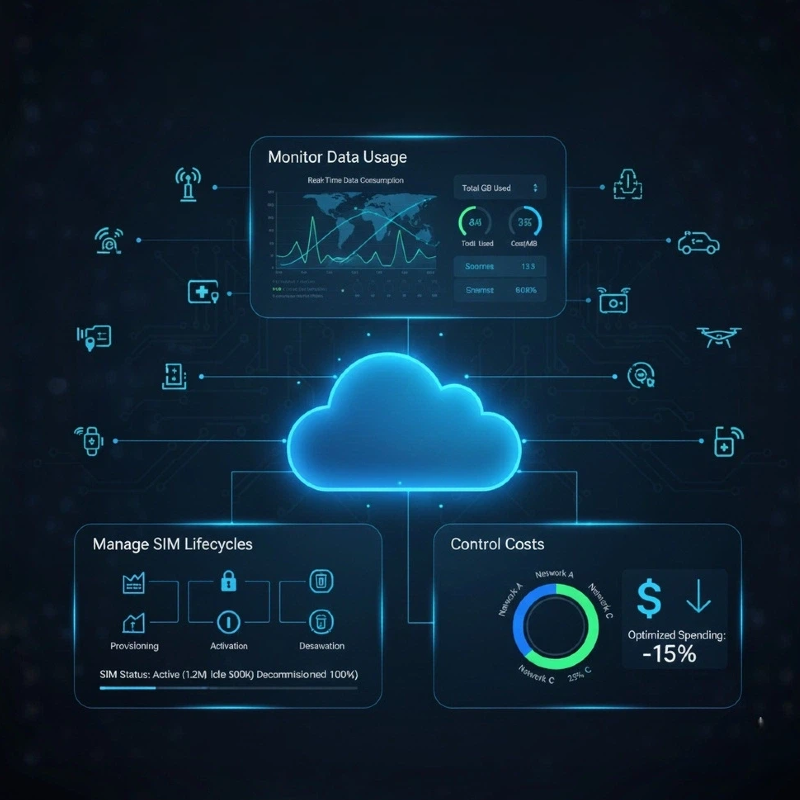
Our BHDC platform provide several functions designed to simplify eSIM-based IoT management, including batch operations, device status viewing, profile management, and network switching.
Batch operation helps enterprises manage multiple devices more efficiently. When companies deploy large numbers of connected devices, performing individual configuration tasks can consume significant time and resources. Through centralized batch operations, enterprises can handle multiple devices simultaneously, improving efficiency during deployment and ongoing management.
Status viewing provides better visibility into device connectivity conditions. Enterprises can monitor device information through a centralized platform instead of checking devices separately. This function helps operators and manufacturers understand operational conditions and identify situations that may require attention.
Profile management enables enterprises to manage eSIM profiles according to different application requirements. Since connected devices may operate in different regions or require different connectivity configurations, flexible profile management helps enterprises adjust connectivity resources more effectively.
Network switching provides additional adaptability for global IoT deployments. Different regions may involve different network operators, and enterprises may need to change connectivity options during device operation. With network switching capabilities, companies can adjust connectivity strategies without relying on physical SIM replacement.
Through these functions, the BHDC platform works as an eSIM IoT manager that supports centralized control and flexible management for enterprise IoT applications.
Improving IoT Operations Through Unified Management
A unified eSIM management platform helps enterprises reduce manual operations and improve long-term operational visibility. When companies manage large numbers of connected devices, manual configuration, physical maintenance, and separate monitoring processes can increase workload and reduce efficiency.
By centralizing device management, enterprises can complete important tasks through a single platform. Activities such as checking device status, managing profiles, and adjusting connectivity settings become more efficient and easier to control.
Unified management also improves visibility throughout the device lifecycle. Enterprises can better understand how connected devices are operating, manage connectivity resources more effectively, and make adjustments based on actual deployment conditions.
For long-term IoT projects, this visibility is especially valuable. Devices such as vehicles, meters, and payment terminals may remain active for many years, and enterprises need reliability-focused methods to manage connectivity throughout their operation period.
BHDC helps enterprises reduce dependence on manual processes and improve the efficiency of IoT device management. Our eSIM IoT remote manager capabilities support more organized and scalable connectivity operations.
Practical Applications Across Different IoT Scenarios
Different industries can benefit from unified eSIM management according to their specific requirements.
For automobiles, manufacturers and service providers need to manage connected vehicles that operate across different regions. Profile management and network switching functions allow companies to support changing connectivity requirements during the vehicle lifecycle while reducing the need for physical maintenance.
For smart metering, utility companies often manage large numbers of meters distributed across wide areas. Status viewing and batch operation functions help operators monitor devices more efficiently and manage connectivity resources without requiring frequent field visits.
For transportation equipment, companies need stable connectivity management for vehicles and related systems operating in different locations. A centralized platform helps improve operational visibility and supports more flexible network management.
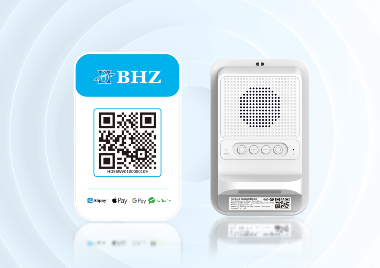
For Smart POS terminals, payment service providers require reliability-focused connectivity and efficient device management because terminals are commonly deployed across many commercial locations. Remote eSIM management helps simplify configuration updates and reduces manual intervention.
As IoT deployments continue to expand, enterprises need management platforms that can support large-scale operations and long-term device connectivity. BHDC provides flexible eSIM management capabilities that help customers improve efficiency, maintain better visibility, and manage connected devices more effectively.
By combining centralized management, profile control, and connectivity adjustment functions, the eSIM IoT manager solutions support enterprises in building more adaptable IoT ecosystems.