







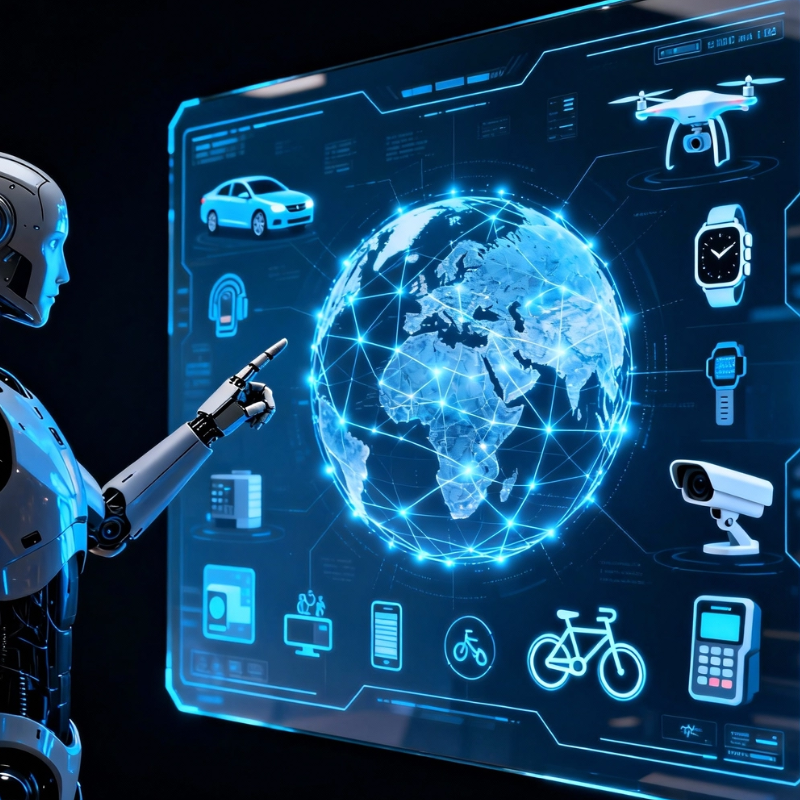





Businesses deploying connected devices often need to consider how different connectivity options fit their application requirements. Traditional SIM cards and IoT SIM cards both provide network access, but their functions and usage scenarios are not the same. Traditional SIM cards are commonly used for personal communication, while IoT SIM solutions are designed for long-term device connections, remote operations, and large-scale deployments. Choosing a suitable connectivity option helps companies build more reliable IoT applications.
For companies building connected products, choosing the right SIM solution affects device operation, maintenance efficiency, and future expansion. A suitable IoT SIM card can support equipment that requires stable communication over long periods, especially when devices are deployed in locations that are difficult to access. Based on experience in secure identity and connectivity technologies, BHDC provides IoT connectivity solutions that support applications such as smart devices, automotive systems, and industrial equipment.

Different Application Scenarios of Regular SIM and IoT SIM
Regular SIM cards are commonly used in smartphones, tablets, and other personal communication devices. Their main purpose is to support voice calls, mobile data access, and daily internet usage. Individual users usually manage these cards based on personal needs, such as changing plans or replacing cards when devices are upgraded.
IoT SIM solutions are designed for connected equipment that requires continuous communication. They are commonly used in applications such as vehicle tracking systems, smart meters, industrial equipment, security cameras, and automated machines. These devices often operate independently without regular human interaction, so their connection needs are different from personal devices.
For large-scale deployments, businesses usually need IoT SIM cards that can support many connected devices at the same time. These cards help companies build communication networks for equipment that collects data, transfers information, or receives remote instructions.
Connection Stability and Operating Environment Differences
The working environment is an important difference between regular SIM cards and industrial IoT connectivity solutions. Smartphones are usually used in controlled conditions, while IoT equipment may operate outdoors or in industrial locations for years.
Many IoT devices need to function in environments with temperature changes, vibration, dust, or limited maintenance access. Therefore, the SIM hardware needs to match the lifecycle and operating conditions of the equipment. Material selection, memory durability, and network compatibility all influence long-term performance.
A suitable IoT SIM card can be designed for challenging environments where standard consumer SIM cards may not match the requirements. For example, industrial applications may use SIM cards that can operate across wider temperature ranges and maintain reliable data storage during extended use.
Remote Management Enables Large-Scale Deployment
Another major difference is device management. Regular SIM cards are normally controlled by individual users. A person can check usage, change a plan, or replace a card when necessary. This management method works well for personal devices but becomes difficult when thousands of connected terminals are involved.
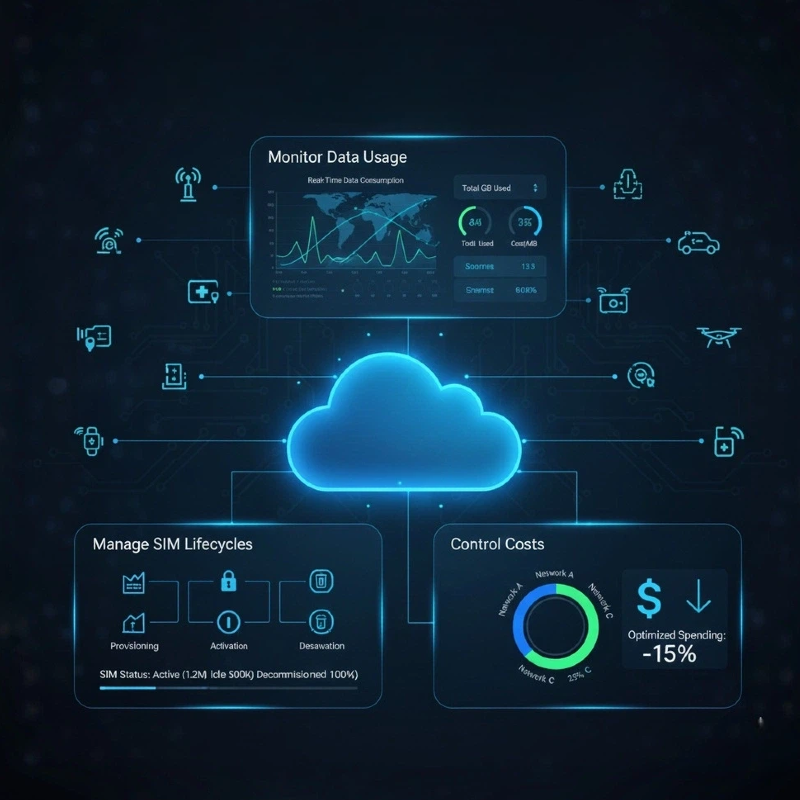
IoT projects require more organized management methods. Businesses often need functions such as batch activation, device status monitoring, traffic management, and remote suspension or restart. These features help operators handle large numbers of connected devices more efficiently.
With IoT SIM cards, companies can manage distributed equipment through centralized platforms. This approach is useful for industries such as fleet management, smart manufacturing, and connected vehicle services, where many devices may be located in different regions.
How Enterprises Select a Suitable SIM Solution
Choosing between different SIM solutions depends on several practical factors. Companies need to consider device quantity, deployment locations, expected service life, and operational needs before making a decision.
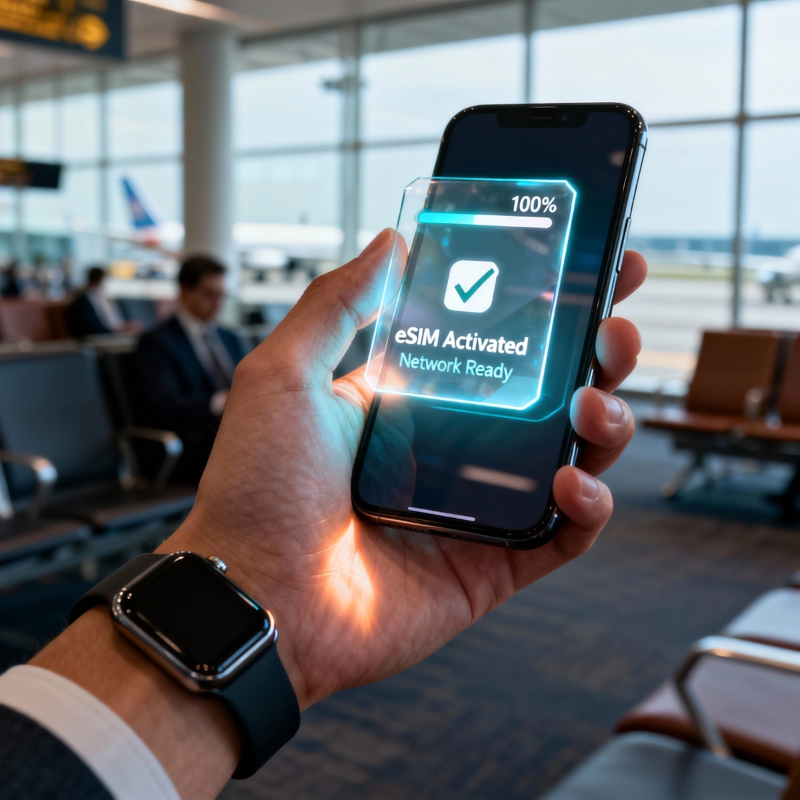
For projects with fixed locations and long-term operation, traditional IoT SIM products may provide a suitable connection method. When devices need flexible operator selection across changing roaming environments, a Multi-IMSI SIM offers an efficient network switching mechanism. For products requiring global over-the-air profile updates, eSIM (eUICC) technology provides additional flexibility through Remote SIM Provisioning (RSP) capabilities.
The selection process should also consider future expansion. A connection solution that works for a small test project may need different management functions when the number of devices increases. Planning these requirements in advance helps businesses build a more suitable IoT communication structure.
Advancing Connected Industries with BHDC Solutions
As connected devices continue to expand across different industries, companies need SIM solutions that match specific application needs. BHDC focuses on secure identity and connectivity technologies, providing support for enterprises developing IoT applications, automotive systems, and connected devices.
Our solutions include SIM customization and connectivity services for different deployment scenarios. For example, industrial applications may need stronger physical durability, while automotive projects may focus on long service cycles and stable communication. These requirements influence how SIM products are designed and integrated.
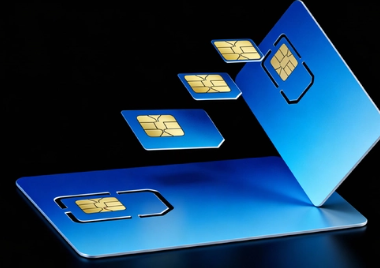
For challenging environments, BHDC offers a wide range of industrial and automotive-grade IoT SIM solutions, including standard plug-in cards and compact MFF2 surface-mount form factors. Built with specialized housing materials and high-reliability chip packaging, these products operate seamlessly across extreme temperature ranges from -40°C to +105°C. They deliver exceptional resistance to thermal stress, moisture, corrosion, and physical vibration, making them ideal for outdoor cameras, vehicle trackers, and industrial routers.
Long-Term Connectivity for IoT Applications
Device lifecycle is another factor that businesses need to consider. Many IoT terminals are installed in locations where replacement is inconvenient, so hardware reliability and data retention are important parts of product planning.
BHDC’s IoT SIM solutions utilize high-endurance flash memory, specifically engineered to support high erase/write cycles and extended data retention over long operating periods. This extended memory longevity helps maintain the integrity of critical security credentials and operational data throughout the service lifecycles of consumer, industrial, and automotive devices.
Through experience in smart card technology and electronic system integration, BHDC continues to support customers with IoT connectivity solutions. The company combines SIM customization, remote management capabilities, and application experience to help businesses develop connected products for different markets.
Building the Right Connectivity Strategy for Connected Devices
The difference between regular SIM cards and IoT SIM solutions is not only about network access. It also involves device environment, management methods, and lifecycle planning. Enterprises need to evaluate their application requirements before selecting a suitable connectivity approach.
From industrial equipment to vehicle systems, the right IoT SIM card solution can help businesses manage connected devices more effectively. By considering deployment conditions and future connectivity needs, companies can build communication systems that better fit applications such as connected vehicles, industrial equipment, smart terminals, and remote monitoring devices.
With experience in identity authentication and connectivity technologies, BHDC provides IoT solutions for enterprises exploring connected applications. A suitable SIM solution helps businesses maintain reliable connectivity for connected devices and adapt to changing needs across different industries.