











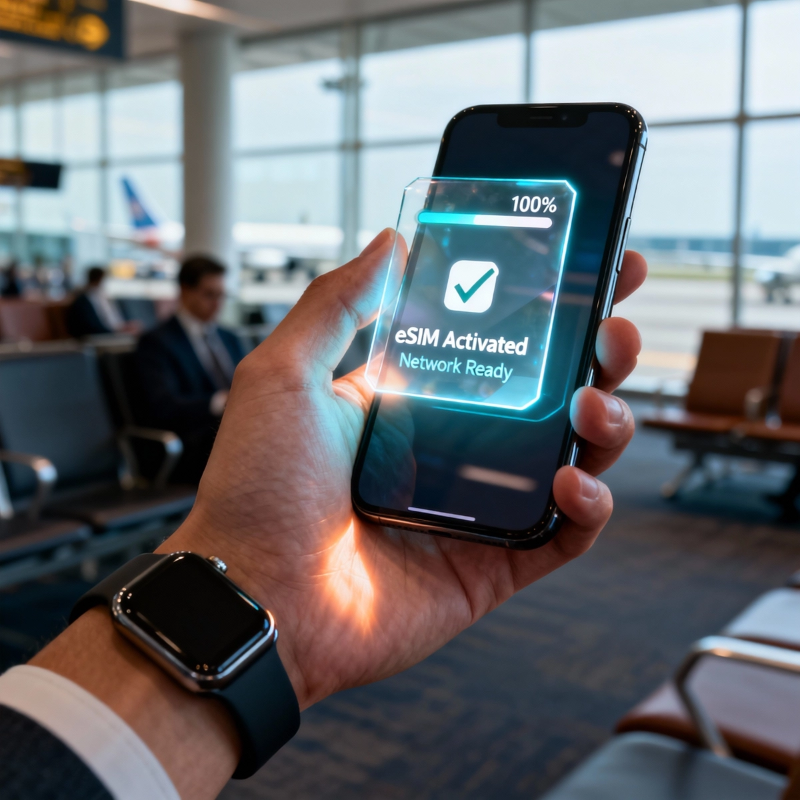






An eSIM profile does not end its lifecycle after it is activated. It may first be prepared and delivered to a device, then installed and activated for use. Later, changes in subscriptions or device services may require the profile to be deactivated, switched, deleted, or updated. These operations form a continuous management process, making profile lifecycle management an important part of a complete eSIM management platform.

The BHDC eSIM Management for Consumer solution supports these stages through a centralized management approach. From profile preparation and remote delivery to activation and subsequent profile operations, the platform helps mobile operators and consumer device brands manage eSIM services as requirements change.
eSIM Profile Lifecycle from Generation to Activation
An eSIM profile is a digital subscription package that contains the information required for a device to connect to a mobile network. Before users can access connectivity services, the profile needs to go through several important stages, including generation, download, installation, and activation.
The lifecycle begins with profile generation. During this stage, mobile network operators prepare the required subscription information and network parameters. The generated profile contains the data needed for the device to establish communication services after activation.
After the profile is prepared, it enters the download stage. Unlike a physical SIM card that must be inserted into a device, an eSIM profile can be delivered remotely through digital provisioning processes. Users may receive activation instructions through methods such as QR codes or operator applications.
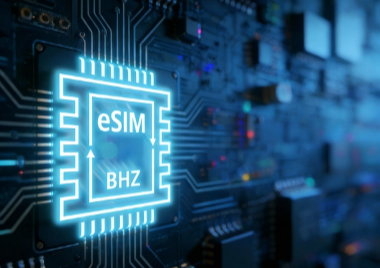
The next stage is profile installation. After the device securely downloads the profile, it installs the information into the eUICC, which is the hardware component responsible for storing and managing eSIM profiles. This allows the device to keep connectivity information in a secure environment.
The final stage is activation. Once the profile is installed and enabled, the device can connect to the selected mobile network. For consumers, this creates a more convenient activation experience because connectivity services can be started without handling a physical SIM card.
Managing these stages effectively requires a reliability-focused eSIM management platform that connects operators, devices, and users through a coordinated digital process.
Profile Operations After Initial Activation
After an eSIM profile is activated, businesses still need to manage the profile throughout the device lifecycle. Connectivity requirements may change because of new subscription plans, different regions, or updated service strategies.
Using the BHDC eSIM management for consumer solution as an example, profile management includes several key operations such as deactivation, switching, deletion, and remote updates.
Profile deactivation allows a connectivity service to be temporarily disabled when it is no longer required. This can help operators manage inactive subscriptions or adjust service status without physically accessing the device.
Profile switching provides flexibility when users need to change connectivity services. For example, consumer devices used in different regions may require different network profiles. Remote profile switching allows operators to support these changes more efficiently.
Profile deletion helps remove outdated or unnecessary profiles from devices. This operation can be useful when devices change ownership, subscription plans, or service providers.
Remote updates provide additional flexibility by allowing profile-related information or service configurations to be adjusted digitally. For device brands and operators managing large numbers of connected products, these capabilities reduce the need for manual operations.
A complete eSIM management process allows businesses to manage connectivity services beyond initial activation. Instead of treating eSIM as a one-time setup process, enterprises can manage the profile throughout its operational lifecycle.
Role of SM-DP+ in Remote Profile Distribution
Behind eSIM profile management, SM-DP+ plays an important role in remote provisioning and subscription delivery. It acts as a key platform for storing, preparing, and distributing eSIM profiles securely.
When a user activates an eSIM service, SM-DP+ helps deliver the correct profile to the target device. This enables mobile network operators to provide subscriptions digitally without depending on physical SIM card logistics.
SM-DP+ also supports subscription management by connecting operator services with device-side eSIM capabilities. Through this process, profiles can be securely transferred and managed according to business requirements.
For companies selecting an eSIM solution, both the device-side capability and the supporting management platform are important considerations. A complete system needs to support not only profile storage but also secure distribution and lifecycle operations.
The BHDC solution supports eSIM service management processes that help businesses build more efficient digital connectivity workflows.
Lifecycle Management Value for Operators and Device Brands
Comprehensive eSIM lifecycle management provides benefits for both mobile network operators and consumer device brands.
For mobile network operators, effective lifecycle management reduces dependence on physical SIM production and distribution. Digital profile delivery simplifies subscription activation and helps operators manage service changes more efficiently. It also supports new connectivity models where users can activate or update services through digital channels.
For consumer device brands, lifecycle management improves the overall user experience. Devices with eSIM capabilities can be prepared for different markets more easily because connectivity services can be managed after the product reaches users.
A complete eSIM management platform also helps brands and operators reduce operational complexity. Instead of managing separate processes for activation, profile changes, and service maintenance, businesses can use a unified approach to handle different stages of the eSIM lifecycle.
As digital connectivity becomes more common across smartphones, tablets, wearables, and other consumer devices, effective profile management becomes increasingly important. BHDC eSIM solutions help enterprises support smoother activation experiences and more efficient long-term connectivity operations.