






















Physical SIMs and eSIMs differ not only in how connectivity is delivered, but also in how businesses handle devices before and after deployment. A physical SIM requires procurement, storage, transportation, installation, and potentially replacement when connectivity requirements change. An eSIM moves more of these processes into a digital environment, allowing connectivity profiles to be activated and managed without relying on physical card handling. For businesses with large or cross-regional device deployments, this difference can have a direct impact on operational efficiency.
Through the BHDC eSIM solution, businesses can access digital connectivity management capabilities that need greater flexibility across device deployment and ongoing operations.

Operational Challenges of Physical SIM Management
Physical SIM cards create several operational tasks for enterprises, especially when businesses manage large numbers of connected devices across different regions.
During the procurement stage, enterprises often need to purchase SIM cards according to different operator requirements and market conditions. When products are deployed internationally, companies may need multiple SIM types from different operators. This increases supplier coordination and makes procurement management more complex.
The inventory stage also creates additional workload. Physical SIM cards need to be stored, categorized, and tracked before they are installed into devices. When projects involve different regions or multiple device models, enterprises may need to manage various SIM quantities and specifications to maintain sufficient supply.
In the logistics process, physical SIM cards need to be transported together with devices or delivered separately according to deployment plans. This creates additional coordination requirements between SIM suppliers, manufacturers, and distribution channels. For global projects, managing physical SIM transportation can affect deployment efficiency.
The installation stage requires physical handling of SIM cards. SIMs may need to be inserted during manufacturing or before devices are deployed to the field. For large-scale device projects, manual installation increases labor requirements and may affect production processes.
The replacement stage can create even greater challenges. If a device requires a different operator, updated connectivity configuration, or a new SIM profile, companies may need to replace the physical SIM card. For devices deployed in remote locations or large quantities, on-site replacement can increase maintenance costs and operational difficulty.
These challenges encourage enterprises to explore a more flexible connectivity approach. A smart eSIM solution provides a digital method that reduces dependence on physical SIM handling and improves connectivity management efficiency.
Reducing On-Site SIM Replacement with BHDC eSIM Management
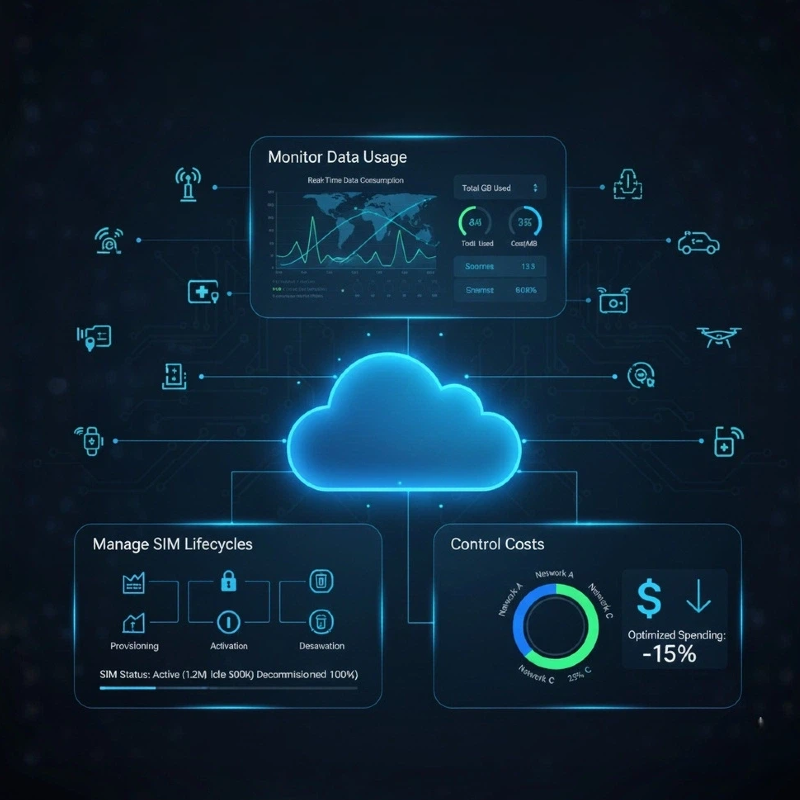
One of the key benefits of eSIM technology is the ability to manage connectivity remotely. Through the BHDC eSIM solution, enterprises can use remote activation and profile management capabilities to reduce the need for physical SIM replacement.
Remote activation allows devices to receive and configure connectivity profiles without requiring manual SIM installation. This helps enterprises simplify deployment processes, especially when products are distributed across different markets.
Profile management provides additional flexibility after devices are deployed. When connectivity requirements change, enterprises can update or switch profiles remotely instead of sending technicians to replace SIM cards.
This capability is particularly valuable for devices installed in difficult-to-access locations. For example, IoT devices, industrial equipment, and connected products may operate for many years after installation. Remote management reduces the need for physical maintenance while supporting continuous connectivity operations.
By combining remote activation and profile management, the eSIM solution helps businesses manage device connectivity more efficiently. Enterprises can reduce field service requirements and improve the flexibility of their connectivity strategies throughout the device lifecycle.
Flexible Connectivity for Global OEMs, IoT Devices, and Cross-Regional Businesses
Different types of enterprises can benefit from the flexibility of eSIM technology, especially those requiring multi-region deployment and operator switching capabilities.
For global OEMs, eSIM provides a more adaptable approach for connected product distribution. Manufacturers often need to sell the same product model across different countries, where operator requirements and network environments may vary. With eSIM technology, OEMs can manage connectivity profiles according to regional requirements without preparing multiple physical SIM versions.
For IoT devices, flexible connectivity management is essential because many devices operate in large numbers and have long service lifecycles. Smart equipment, sensors, and connected systems may require stable operation across different locations. Remote profile management allows enterprises to adjust connectivity without physically accessing each device.
For cross-regional businesses, operator switching is an important requirement. Companies operating across multiple markets may need to work with different network operators depending on local coverage, service agreements, or business needs. eSIM technology enables more flexible connectivity adjustments and helps enterprises respond to changing regional requirements.
The BHDC eSIM solution supports businesses that need scalable connectivity management for different applications. By reducing physical SIM dependency, the solution helps enterprises improve their ability to manage connected products across global markets.
Business Considerations Before Switching to eSIM
The decision to adopt eSIM should depend on the actual operating model of the business rather than connectivity technology alone. Enterprises can first consider how many devices they need to deploy, where those devices will operate, and how often connectivity configurations may change after delivery.
For small deployments in stable markets, physical SIMs may still be practical when devices are easy to access and operator requirements remain unchanged. The advantages of eSIM become more significant when businesses manage large device volumes, support multiple regions, or need to adjust connectivity after deployment.
Enterprises should also consider how connectivity management fits into their existing operations. A suitable eSIM solution should work with the company’s deployment model and provide the management capabilities needed for future changes. This can help businesses avoid unnecessary hardware or field-service adjustments when connectivity requirements evolve.
For companies moving beyond small-scale device deployments, eSIM can provide a more adaptable foundation for connectivity management. BHDC eSIM capabilities support device activation, profile management, and connectivity operations as projects expand.