














The choice between traditional POS devices and Android smart POS terminals depends on the functions required for each payment environment. Traditional POS equipment is commonly used for card-based transactions, while Android smart terminals provide a wider range of functions through mobile operating systems and connected applications.
Android smart POS solutions combine transaction functions with flexible applications, making them suitable for various payment scenarios. Compared with traditional POS devices, they offer different approaches to software operation, network connection, and system integration. BHZ develops smart payment solutions for commercial applications where security, usability, and integration are important factors.
System Architecture and Operation Differences
Traditional POS systems usually use closed operating environments. Their software functions are often designed around specific payment tasks, such as card transactions, receipt printing, and basic sales records. Since the system structure is relatively fixed, adding new functions may require support from the original provider.
Android-based systems work differently. An Android smart POS terminal uses the Android operating system, which provides a familiar interface similar to mobile devices. Businesses can install suitable applications according to their service requirements, making daily operations more adaptable.
The difference can also be seen in maintenance methods. Traditional POS equipment often relies on scheduled upgrades from suppliers. Android POS devices can support remote software updates and application management, which helps businesses maintain their systems across different locations.
Payment Functions and Connection Capabilities
Transaction requirements have become more diverse as merchants adopt various ways to complete purchases. Traditional POS devices mainly focus on card-based transactions, including magnetic stripe, chip card, or contactless functions depending on the model and market conditions.
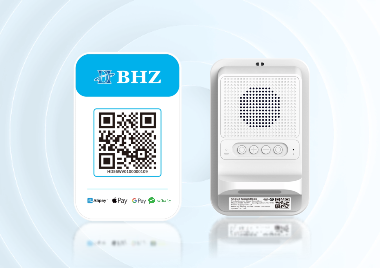
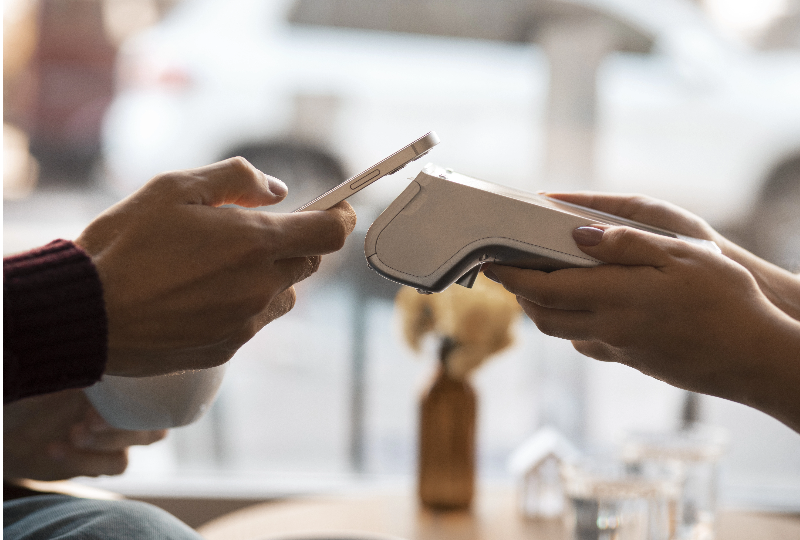
Modern smart terminals usually combine multiple checkout options in one device. An Android smart POS terminal can run applications that support bank cards, NFC transactions, and QR code payments. This flexibility allows merchants to offer more convenient checkout options for users.
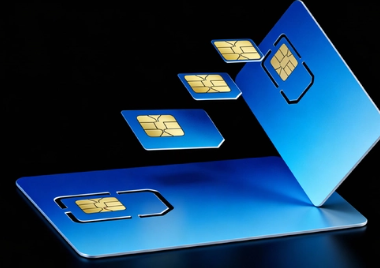
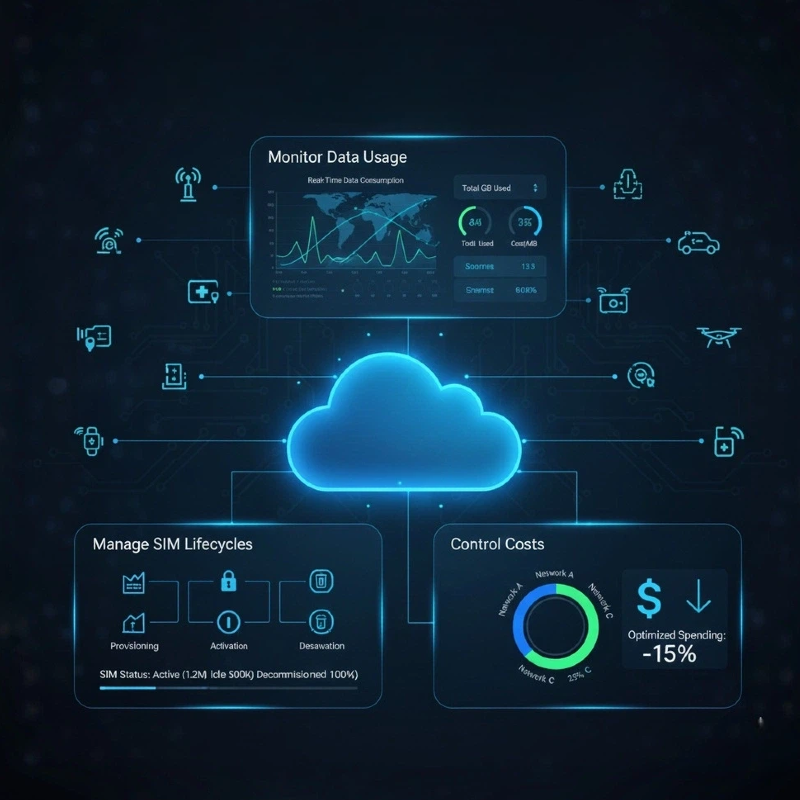
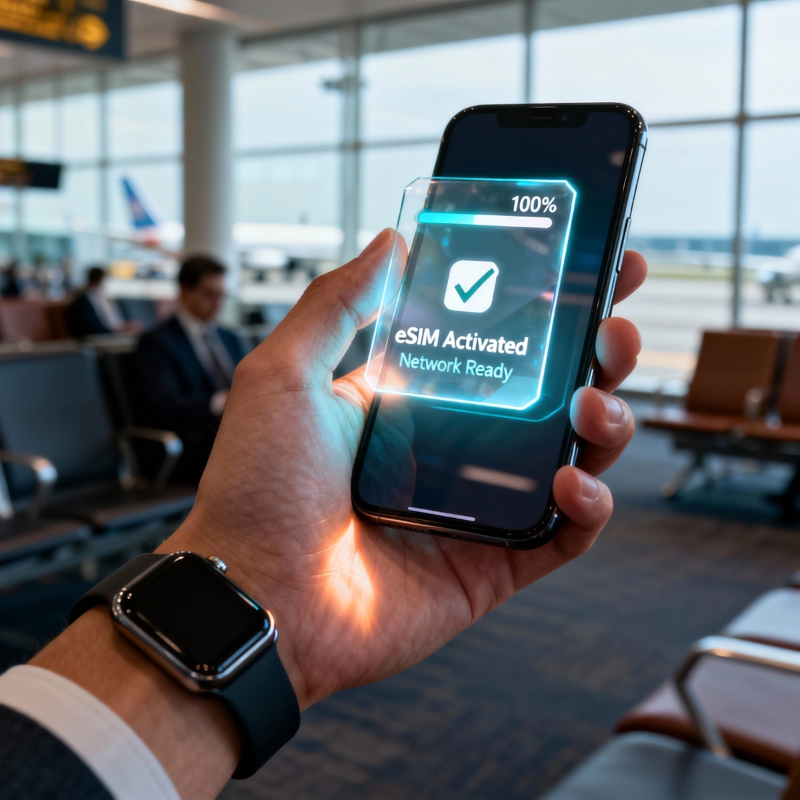
Network connection is another important factor. Traditional POS devices often rely on fixed line or basic dial-up connections. In contrast, modern Android POS terminals offer multi-network flexibility by seamlessly integrating Wi-Fi, high-speed 4G, and advanced eSIM functionality. Remote eSIM profile switching allows multi-region businesses and fleet managers to deploy terminals effortlessly across diverse global markets. These connection methods help service providers and merchants operate transaction services across different environments.
Application Expansion and Daily Operation Efficiency
Business operations often require more than simple transaction processing. Retail stores may need inventory applications, restaurants may need order management systems, and logistics companies may require delivery-related tools. Traditional POS systems may have limited options for adding these functions.
With an open operating environment, an Android smart POS can connect payment functions with business applications. Companies can select software based on their workflow, allowing checkout, customer management, and operational data to work together more efficiently.
Remote management is also an important feature for businesses with multiple locations. Android POS systems can support application installation, software updates, and device management through connected platforms. This reduces the need for manual maintenance at each individual site.
For enterprises exploring smart payment solutions, BHZ focuses on technologies that connect secure transaction functions with practical business applications. The company develops payment devices designed for commercial scenarios where security, usability, and system integration are important considerations.
Security Design and Enterprise Payment Requirements
Security remains an important factor when businesses choose payment equipment. Traditional POS systems normally use dedicated transaction structures, while smart POS devices need to balance application flexibility with transaction protection.
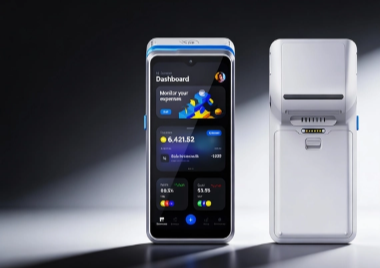
A secure architecture can help separate different system functions. The BHZ800 Android Smart POS uses a dual-core architecture with AP and SP components to isolate application operations and transaction-related processes. This design approach supports secure checkout management for business users.
Application Scenarios and BHZ800 Smart POS
Different industries have different expectations for checkout equipment. Retail stores may need fast checkout processes, restaurants may require integrated ordering and payment, and logistics companies may need portable devices for field operations.
The BHZ800 Android Smart POS is designed as an all-in-one smart payment device for these commercial scenarios. It features Android 14, a 6.5-inch HD display, and a 7.2V battery design to support transaction tasks, printing functions, and business applications during daily use.
For merchants and enterprise users, an Android smart POS terminal can provide a combination of payment services and operational tools. This integrated design helps businesses manage transactions while supporting additional applications that match their working processes.
Choosing the Right POS System for Business Needs
The comparison between Android POS and traditional POS is not only about hardware differences. It also involves software flexibility, settlement methods, network options, and future business requirements. Traditional systems may fit enterprises that need fixed payment functions, while Android-based devices provide more possibilities for application expansion.
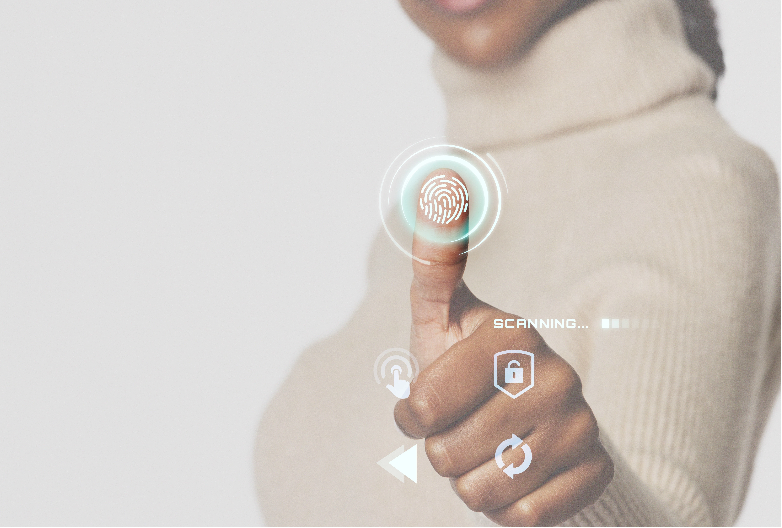
Modern payment scenarios require terminals that can adapt to various service models and transaction processes. Enterprises now need equipment with flexible functions to handle different billing methods, application requirements, and operational environments. BHZ continues to explore secure identity technology and connected payment solutions for industries such as retail, finance, communication, and commercial services.
When evaluating an Android smart POS, companies should consider their checkout requirements, application needs, and management methods. Choosing the right system allows enterprises to improve payment operations and adapt to changing service requirements.