


















Global IoT deployments often involve multiple operators, regions, and network environments. For businesses operating connected devices across various locations, maintaining stable network access can be challenging. A device used in a remote area or another country may face changing coverage conditions depending on the available network providers. An IoT SIM card with flexible network access can provide a more adaptable approach for handling connectivity across various deployment scenarios.
A Multi-IMSI SIM provides a way to handle multiple network identities within one SIM. This technology allows connected devices to access different operator networks based on business needs. By improving network flexibility, Multi-IMSI solutions are used in applications such as logistics tracking, connected vehicles, and industrial IoT systems. Based on experience in identity authentication and connectivity technologies, BHDC develops SIM solutions that help enterprises address connectivity challenges in different deployment scenarios.
Understanding the Working Principle of Multi-IMSI SIM Technology
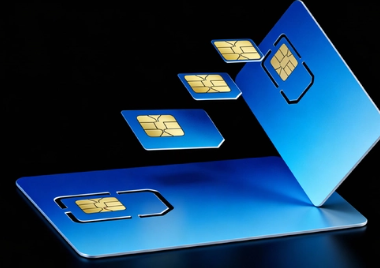
An IMSI, or International Mobile Subscriber Identity, is a unique identifier used by mobile networks to recognize a subscriber. A traditional SIM usually contains one IMSI that represents a specific network identity. A Multi-IMSI SIM can store multiple IMSIs within a single card, allowing one SIM to operate under various network identities. Instead of replacing physical SIM cards when coverage requirements change, the device can switch between different operator IMSIs based on active deployment conditions.
This structure gives businesses more options when managing connected devices across multiple regions. Instead of replacing physical SIM cards when network requirements change, devices can use various operator IMSIs according to deployment conditions.
For companies managing large numbers of devices, IoT SIM cards with Multi-IMSI capability can simplify connectivity planning. The technology helps reduce the complexity of handling separate SIM solutions for different countries or network environments.
How IMSI Switching Supports Multi-Operator Access
The main feature of Multi-IMSI technology is the ability to switch between multiple network identities. This process does not mean changing the physical SIM card. Instead, an intelligent applet embedded on the SIM card (or OTA control logic) automatically switches to another available IMSI when predefined network conditions are met. Network coverage is a primary trigger for IMSI switching. When a device enters a region where the active operator has weak or unavailable service, the SIM automatically switches to an alternative IMSI associated with a local roaming partner network.
Network quality can also influence the switching process. Businesses may set rules based on signal availability, roaming conditions, or operational requirements. This approach helps connected devices maintain communication while reducing manual management work.
For global IoT projects, IoT SIM card solutions with flexible IMSI management provide a practical method for handling multiple connectivity environments. They allow enterprises to adapt network access strategies as device locations and service needs change.
Improving Coverage Flexibility and Reducing Connectivity Costs
Many IoT deployments involve devices operating across various regions. Logistics equipment, vehicle tracking systems, and industrial monitoring devices may travel through areas with a range of mobile network conditions. Relying on a single operator can create challenges when coverage changes.
Multi-IMSI SIM technology helps reduce this dependency by allowing access to multiple network identities. Companies can improve network planning by selecting network options that match specific regions and application requirements.
Cost control is another consideration for international IoT deployment. Different regions may have multiple roaming agreements and service costs. Through flexible operator selection, businesses can evaluate suitable network combinations and create more efficient connectivity models.
In addition, IoT SIM cards using Multi-IMSI technology can support long-term device management. Companies do not need to focus only on initial deployment. They can also consider future expansion, geographic changes, and lifecycle management when planning their IoT networks.
Applications in Logistics, Automotive, and Global IoT Deployment
Multi-IMSI solutions are widely considered for applications that require stable communication across changing environments. In logistics, tracking devices often move between cities or countries. Flexible network access helps maintain communication during transportation routes.
In vehicle networking, connected cars and commercial fleets require continuous data exchange for monitoring and management. Multi-IMSI technology can support vehicles that operate across different network areas and improve connectivity flexibility during travel.
Industrial IoT projects may also involve outdoor equipment, remote monitoring devices, and smart terminals. These applications often require SIM products that can adapt to demanding environments and long operating periods.
Based on experience in secure identity and communication technologies, BHDC supports business customers with IoT SIM solutions designed for a range of deployment needs. The company provides industrial IoT SIM cards that can be used in scenarios such as logistics, vehicle tracking, outdoor cameras, and industrial routers.
BHDC IoT Solutions for Reliable Device Connectivity
When selecting SIM solutions for industrial applications, hardware durability is an important factor. Devices used outdoors or in industrial environments may experience temperature changes, vibration, and exposure to challenging conditions.
BHDC offers a wide range of IoT SIM solutions tailored to various commercial and environmental requirements. From standard plug-in cards to advanced industrial and automotive-grade form factors (such as MFF2), these products feature specialized housing materials and high-reliability packaging designed to operate seamlessly across extreme temperature ranges from -40°C to +105°C. They provide exceptional protection against thermal strain, moisture, corrosion, and physical vibration where standard SIM products reach their physical limits.
Long device lifecycles also require superior non-volatile memory performance. BHDC’s IoT SIM chips feature high-endurance secure flash memory, supporting up to 500,000 write cycles and data retention for over 10 years, fully meeting the rigorous demands of industrial automation and automotive applications.
Choosing the Right Connectivity Approach for Future IoT Projects
Multi-IMSI SIM technology provides businesses with a flexible approach to managing network identities. By supporting multiple operator IMSIs on a single card, it helps companies handle different operator requirements, regional coverage conditions, and long-term deployment plans.
As IoT adoption expands across industries, network solutions need to consider both technical performance and practical operation requirements. BHDC continues to develop secure identity and communication technologies, providing solutions that help customers build suitable IoT deployment plans for automotive, logistics, and industrial scenarios. Multi-network access can become an important element in future IoT connection planning.