










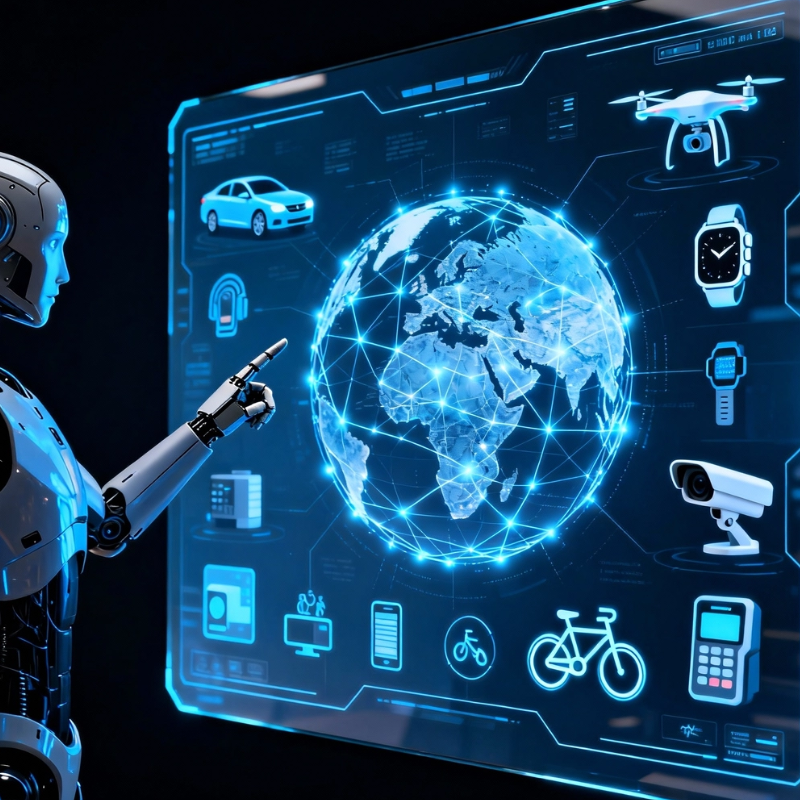





Consumer, industrial, and automotive IoT applications place different demands on SIM and eSIM products. Consumer devices often prioritize convenient deployment and user-friendly connectivity, while industrial equipment requires greater support for long-term operation in demanding environments. Connected vehicles add requirements related to extended service lifecycles, mobility, and regional connectivity. These differences make product selection an important part of IoT deployment planning.

The BHDC IoT SIM and eSIM portfolio addresses connectivity requirements across these application categories. Looking at the products from the perspectives of application scenario, operating environment, and deployment requirements provides a practical starting point for choosing the appropriate SIM solution.
IoT SIM Categories Across Different Application Scenarios
Different IoT applications require different levels of connectivity support. Consumer-grade, industrial-grade, and automotive-grade SIM/eSIM products are designed for different operating conditions and deployment requirements.
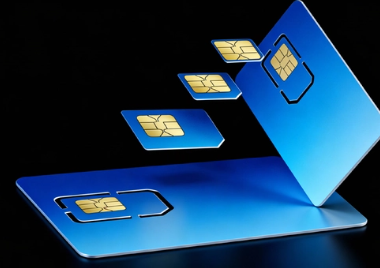
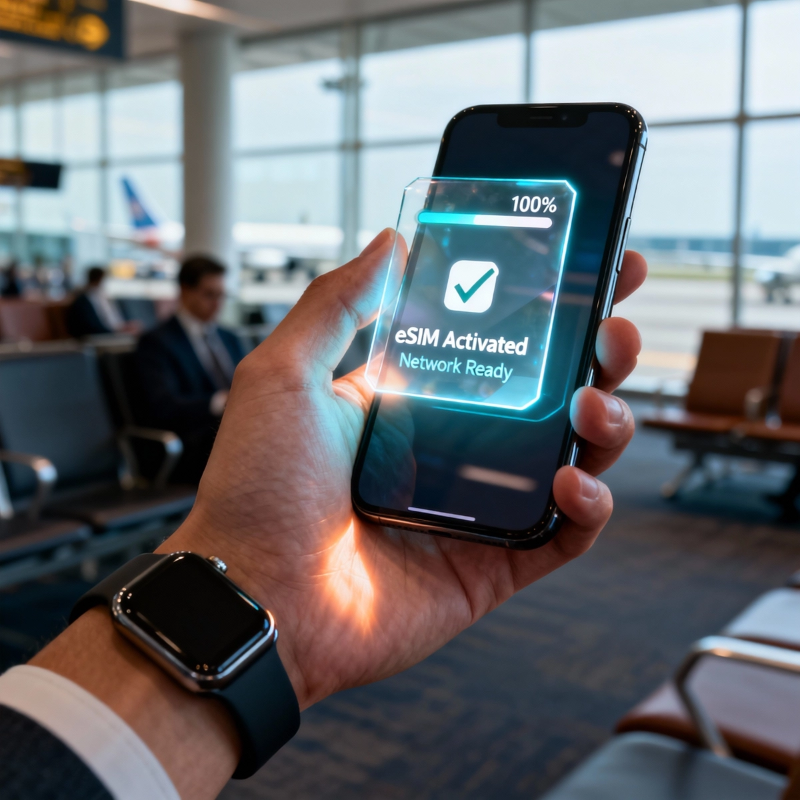
Consumer-grade SIM and eSIM products are commonly used in consumer electronics, including smart wearables, tablets, and other connected devices. These applications usually focus on convenient activation, stable network access, and simple user experiences.
Industrial-grade SIM solutions are designed for applications such as smart metering, industrial equipment, and monitoring systems. These devices are often deployed in fixed locations and expected to operate continuously for long periods. Industrial environments may involve temperature changes, vibration, or limited maintenance access, requiring connectivity products that can support long-term operation.
Automotive-grade SIM and eSIM solutions are used in connected vehicles and transportation applications. Vehicles typically have longer service lifecycles compared with consumer devices and may operate across different regions. Therefore, automotive connectivity solutions need to support stable communication while adapting to changing environments and long-term vehicle operation.
BHDC IoT SIM solutions help enterprises select suitable connectivity products according to different application needs. Understanding the differences between these product categories helps businesses make better decisions when planning IoT deployments.
Differences in Environment, Lifecycle, and Deployment Methods
When comparing different IoT SIM categories, enterprises should consider environmental adaptability, lifecycle requirements, and deployment methods.
Environmental adaptability is a key difference between consumer, industrial, and automotive applications. Consumer electronics usually operate in relatively controlled environments, such as homes, offices, or personal usage scenarios. As a result, the primary requirement is stable connectivity and convenient service activation.
Industrial equipment often operates in more challenging conditions. Smart meters, factory equipment, and outdoor monitoring systems may face temperature fluctuations, dust, vibration, and continuous operation. Industrial-grade SIM products need to provide performance under these conditions.
Automotive applications create additional requirements because vehicles experience movement, vibration, and changing weather conditions. Automotive-grade SIM and eSIM products need to support communication throughout the vehicle lifecycle.
Lifecycle expectations also vary between product categories. Consumer electronics may be upgraded or replaced more frequently, while industrial equipment and vehicles are usually designed for longer service periods. A suitable IoT SIM card should match the expected operating cycle of the device.
Deployment methods are another important consideration. Consumer devices often require simple activation processes because they are directly used by customers. Industrial and automotive projects usually involve larger deployments, where centralized management and long-term connectivity planning become more important.
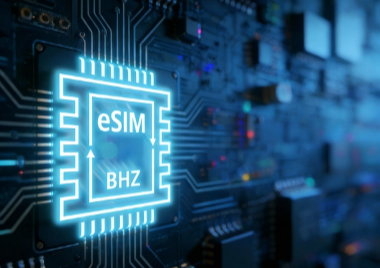
For large-scale deployments, eSIM technology can provide additional flexibility. Remote provisioning and profile management allow enterprises to adjust connectivity services without physically replacing SIM cards.
IoT SIM Selection Examples for Different Devices
The best SIM choice depends on the specific application scenario and operational requirements.
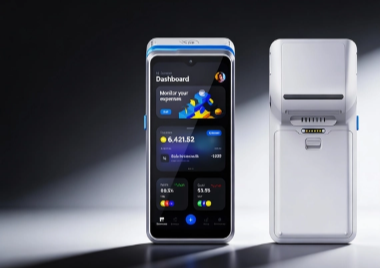
For consumer electronics, enterprises typically focus on convenience and user experience. Devices such as smart wearables may require simple connectivity activation and reliability-focused network access. In these cases, consumer-grade SIM or eSIM solutions can support efficient product delivery and daily usage.
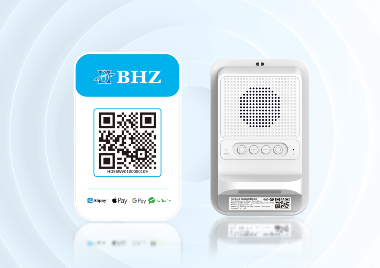
For smart metering and industrial equipment, reliability and lifecycle support become more important. Smart meters may be installed outdoors and expected to collect data continuously for many years. Industrial equipment may operate in factories or remote areas where maintenance is difficult. These applications require SIM solutions that can support stable operation under demanding conditions.
For connected vehicles, automotive-grade SIM and eSIM solutions are often more suitable. Vehicles require connectivity throughout their service lifecycle and may need communication support across different regions. The selected SIM solution should consider vehicle operating conditions, long-term deployment requirements, and future connectivity management.
BHDC IoT SIM solutions provide different connectivity options for various IoT applications. Selecting the correct product category helps enterprises improve deployment reliability and reduce future operational challenges.
Factors for Selecting the Right IoT SIM Solution
Enterprises should evaluate several factors when selecting an IoT SIM solution, including device environment, usage cycle, project scale, and remote management requirements.
The device environment determines the basic reliability requirements of the SIM product. Devices operating in controlled consumer environments may require different solutions compared with equipment used outdoors, in factories, or in vehicles.
The usage cycle is also important because different products have different operational lifetimes. A short-term consumer device and a vehicle designed for many years of service require different connectivity strategies.
Project scale influences management requirements. Small deployments may only need basic connectivity, while large IoT projects may require centralized management capabilities to handle many devices efficiently.
Remote management requirements should also be considered, especially for global IoT deployments. Enterprises managing devices across different regions may benefit from eSIM capabilities that support remote provisioning and connectivity adjustments.
Choosing between consumer-grade, industrial-grade, and automotive-grade SIM solutions requires a complete understanding of the application scenario. BHDC IoT SIM solutions help enterprises select products based on operational conditions, device lifecycle, deployment scale, and management needs.
A suitable IoT SIM card solution should not only provide connectivity but also support the long-term goals of the project. By evaluating these factors before deployment, enterprises can build IoT systems with a focus on reliability and scalability.