

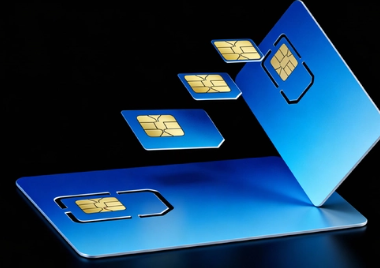


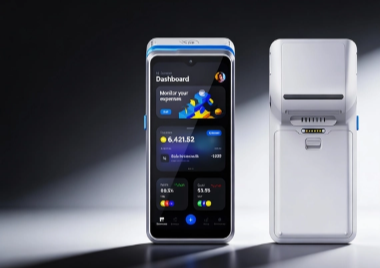
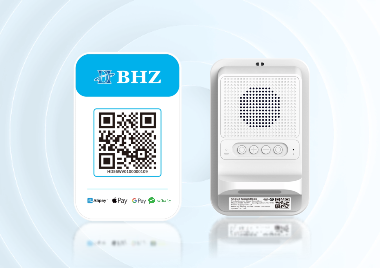
















Enterprises operating connected devices need flexible approaches to organize device identities and control network access across different environments. Traditional SIM cards often require physical replacement when users change networks or deploy devices in different regions. eSIM technology changes this process by allowing digital profiles to be stored and managed remotely.
With experience in secure connectivity solutions, BHDC enables enterprises to deploy and manage eSIM-enabled devices across multiple regions. Our solutions help simplify eSIM profile management, improve remote provisioning efficiency, and provide the flexibility needed to support evolving IoT connectivity requirements.

Understanding eSIM Profile and Remote Configuration
An eSIM profile contains the information required for a device to connect with a mobile network. It usually includes operator-related data, authentication information, network access parameters, and subscription details. These elements allow a device to identify and communicate with a selected mobile network.
Unlike a physical SIM card that needs manual replacement, an eSIM profile can be downloaded to an embedded SIM (eUICC) through a Remote SIM Provisioning (RSP) system. The RSP platform communicates with the eUICC and delivers the required subscription data through a secure process.
The remote provisioning process usually involves three primary entities: the mobile network operator (MNO), the GSMA-compliant RSP infrastructure (including SM-DP+ / SM-DS platforms), and the eSIM-enabled device. When a new subscription is requested, the operator generates the required profile credentials, and the secure RSP platform handles encrypted delivery to the eUICC. This approach supports flexible deployment for connected products in different markets.
For enterprises managing multiple devices, eSIM solutions provide a practical method to organize connectivity operations. They allow companies to handle subscription changes without depending on physical SIM distribution, which is useful for IoT devices, vehicles, and smart terminals.
Profile Download, Activation, Switching, and Removal Process
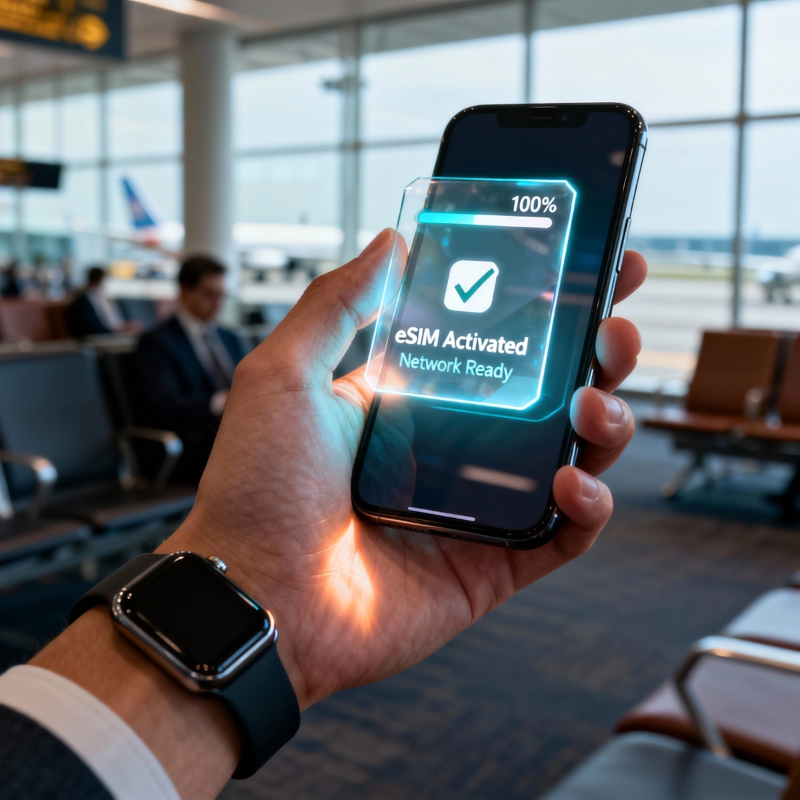
During the initial onboarding stage, a device must download an eSIM profile before attaching to a mobile network. Depending on the architecture, profiles can be fetched manually via QR codes and operator applications (for consumer electronics) or pushed automatically over-the-air through platform management tools (for industrial IoT and fleet devices). Once authenticated, the profile is securely stored on the eUICC.
After downloading, the eSIM profile needs to be enabled before the device can connect to the selected network. The activation process changes the device status from an available configuration to an active connection. This allows the terminal to use the network service linked with the selected subscription.
In multi-network scenarios, switching between different configurations becomes an important function. A device may store several network settings and change between them according to business requirements. For example, connected vehicles operating across regions may require different connectivity options to support local network access.
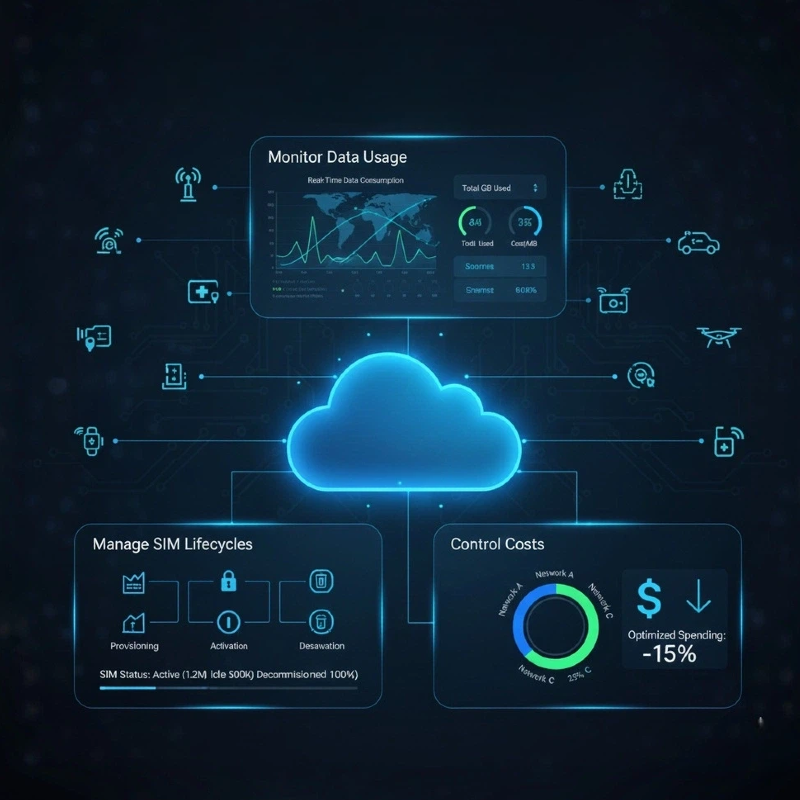
When a configuration is no longer required, it can be disabled or removed based on operational plans. Removing unused settings helps companies maintain better control over device connectivity. Through a reliable eSIM management platform, enterprises can track these status changes and handle updates through centralized tools.
Challenges in Large-Scale eSIM Deployment
Managing a small number of devices is relatively simple, but large deployments create new operational requirements. Enterprises may need to manage thousands or even millions of connected terminals across different locations. Each device may have different operators, subscription plans, and usage conditions.
One challenge is maintaining accurate status information. Companies need to know whether a profile is downloaded, activated, inactive, or removed. If device status data is not synchronized properly, connectivity operations may become more difficult during daily operations.
Another challenge involves multiple operators and regional requirements. Global businesses often work with different network providers, which means profile administration systems need to support various operator environments and deployment models.
Exception handling is also important in large-scale projects. Devices may experience network interruptions, incomplete downloads, or activation delays. A suitable management system needs monitoring functions and operational tools to help teams identify and handle these situations.
How BHDC Supports eSIM Profile Management
BHDC has built its technology foundation through smart card chip design, electronic system integration, and secure identity solutions. Based on this experience, we provide technologies for scenarios such as SIM authentication, digital payment, connected devices, and IoT applications. Our solutions are designed to support operators, financial institutions, automotive companies, and OEMs with trusted connectivity and identity verification requirements.
For enterprises building digital services, eSIM management platform solutions from BHDC can support profile remote configuration, centralized administration, and batch device activation. The platform is designed to help operators and OEM customers simplify deployment processes while improving operational visibility.
Through digital onboarding functions, users can download eSIM profiles by scanning a QR code or using an operator application. This reduces dependence on physical SIM delivery and supports a smoother connection process for devices and services.
The platform also follows global technical standards to support flexible deployment models. By reducing physical SIM logistics requirements, it can help operators and OEMs improve supply chain efficiency and manage connected products more conveniently.
Building Flexible Connectivity for Future Applications
The increasing use of connected devices in transportation, finance, communication, and smart terminals has created new requirements for remote identity administration as part of digital infrastructure. Enterprises need solutions that can adapt to changing network requirements while supporting efficient device operations.
From profile download to activation and lifecycle management, eSIM management provides a foundation for managing digital connectivity. Clear processes and centralized tools help businesses organize large device networks and respond to changing application needs.
BHDC applies its experience in secure identity and IoT connectivity to develop technologies for digital authentication and connected device operations. These capabilities support businesses in building reliable connectivity solutions for applications such as telecommunications, finance, automotive, and smart devices.
Through suitable eSIM administration platform capabilities, enterprises can build more flexible connectivity strategies for future applications.