



















Connected devices require flexible connectivity management to support different business scenarios. Traditional SIM solutions often involve physical card handling, logistics coordination, and manual replacement. With eSIM technology, connectivity profiles can be managed remotely through digital platforms, making device deployment and administration more efficient. An effective eSIM management platform helps organizations handle profile operations, device connections, and service adjustments in a more flexible way. Understanding how these platforms work allows operators and enterprises to make better decisions when building connected services.
Core Functions of an eSIM Management Platform
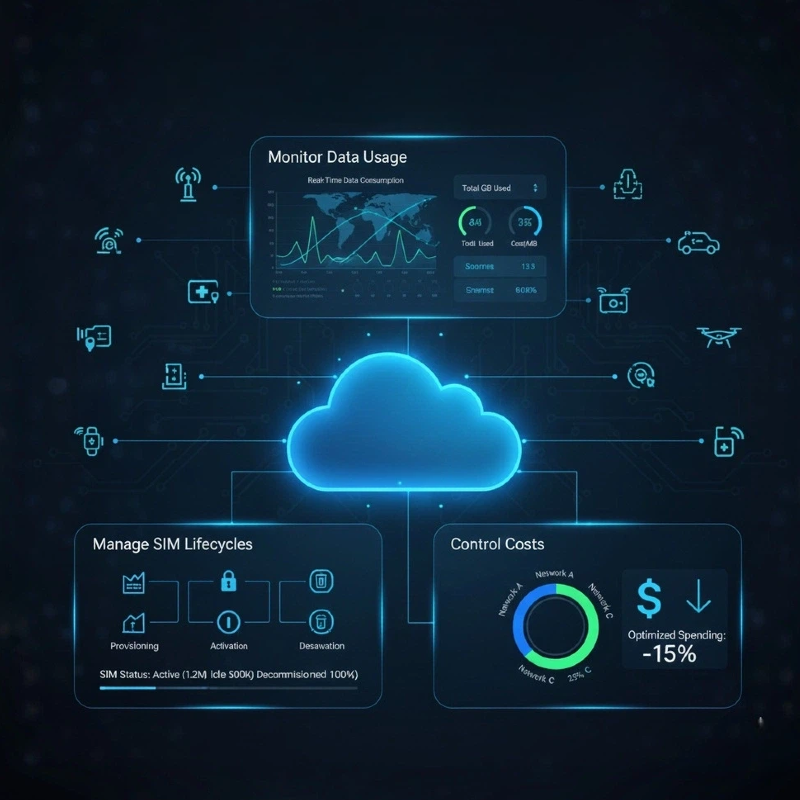
An eSIM management platform provides centralized control for digital SIM profile operations. Instead of handling physical cards, operators can manage profile downloading, activation, suspension, switching, and deletion through a unified system. These functions reduce manual overhead and support diverse connectivity requirements across various devices.
Profile management is an important part of eSIM operations. When a device needs a new network profile, the platform can support remote profile delivery based on business requirements. This approach is useful for applications such as smartphones, connected vehicles, industrial equipment, and IoT terminals.
For companies evaluating an eSIM administration platform provider, system compatibility is an important consideration. The platform needs to work with different devices, network environments, and enterprise management systems. Smooth integration helps organizations monitor and maintain connected products throughout their lifecycle.
Understanding SM-DP+, RSP and Related Roles
The Remote SIM Provisioning (RSP) architecture defines how eSIM profiles are prepared and delivered. Within this process, SM-DP+ plays an important role by preparing, storing, and securely delivering profiles to compatible devices. It works as a key component between profile management systems and end-user equipment.
The relationship between SM-DP+, operators, devices, and enterprise systems involves multiple technical connections. Operators usually provide and manage network-related services, while enterprises may connect their own platforms to monitor device fleets and subscription statuses.
In modern IoT deployments, this ecosystem leverages GSMA-compliant Remote SIM Provisioning (RSP) architectures, including SM-DP+ for secure profile delivery and eIM (eSIM IoT Manager) for automated fleet management.
Understanding these roles helps businesses plan their eSIM deployments more effectively. A clear system structure allows different participants to coordinate profile creation, distribution, and activation processes while maintaining proper management procedures.
Managing the Complete eSIM Profile Lifecycle
The eSIM profile lifecycle starts before a profile reaches the device. First, network information and service parameters are prepared according to operational requirements. After configuration, the profile can be stored and made available for remote delivery through the RSP environment.
When a device requests connectivity, the profile can be downloaded and activated through supported processes. After activation, organizations may need to adjust the profile status based on usage changes. Functions such as enabling, disabling, updating, or deleting profiles support different stages of device operation.
At this stage, BHDC provides solutions designed around digital identity and connectivity management needs. Our eSIM solutions support remote profile operations through an RSP platform, allowing operators and enterprises to manage profile status from a centralized dashboard. This helps improve visibility during different lifecycle stages.
Lifecycle is also important when devices reach the end of service. Enterprises may need to remove unused profiles or prepare devices for new applications. A structured process reduces operational complexity and supports long-term device operations.
What Operators Need from eSIM Management Solutions
Operators usually focus on scalability, security control, and service delivery efficiency when selecting eSIM solutions. Managing large fleets of connected devices requires robust systems that support organized profile administration and reliable communication between platforms.
Another key requirement is operational flexibility. Operators may need to support different customer groups, device types, and connectivity plans. A suitable eSIM management platform provider should offer integration capabilities that allow operators to connect existing systems with eSIM management functions.
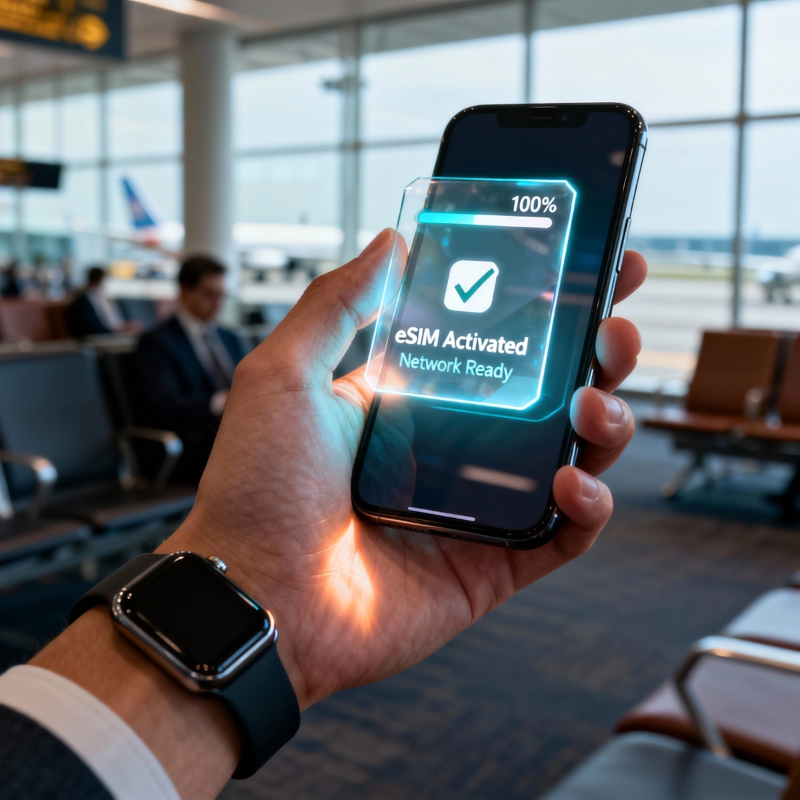
Digital onboarding is also becoming an important part of customer experience. With remote activation methods, users can download eSIM profiles through QR codes or operator applications without waiting for physical SIM delivery. This process can simplify connectivity setup for different usage scenarios.
Enterprise Requirements for eSIM Management
Enterprises often focus on visibility, integration, and daily efficiency. Companies using connected vehicles, smart devices, or industrial equipment need clear information about device connectivity status and profile conditions.
API integration is another important factor. Enterprise systems can connect with eSIM administration platforms to automate workflows and improve internal processes. Through system connections, companies can handle device information, service updates, and operational data more efficiently.
For businesses working with digital connectivity projects, BHDC focuses on supporting secure identity authentication and connectivity management scenarios. Our experience in smart card technology and electronic system integration helps us provide solutions for industries including finance, communications, automotive, and IoT applications.
Building Practical eSIM Deployment Strategies
The success of an eSIM project depends on cooperation between technology providers, operators, device manufacturers, and enterprises. Each participant has different responsibilities during profile creation, delivery, activation, and maintenance.
Companies should evaluate platform functions, integration methods, and future expansion needs before deployment. A suitable management approach can help organizations handle different device environments while maintaining operational control.
As digital connectivity expands across different industries, choosing a suitable eSIM platform has become an important consideration for operators and enterprises. BHDC provides trusted identity and connectivity technologies that help businesses develop practical eSIM solutions for different application scenarios. A well-designed platform can simplify processes from initial activation to ongoing profile operations and device lifecycle services.