
















The expansion of connected devices has created different requirements for communication technologies. Consumer IoT products and Industrial IoT systems both rely on network connectivity, but their goals are not the same. Consumer devices usually focus on user experience, convenient activation, and cost efficiency.
Industrial applications often require connectivity solutions that can support long-term operation, remote management, and stable communication in complex environments. These requirements make connectivity planning an important part of industrial device design. For companies developing connected products, choosing a suitable eSIM solution requires consideration of device usage, lifecycle, and management needs.

Consumer IoT and Industrial IoT Have Different Connectivity Priorities
Consumer IoT products are designed for individual users and daily applications. Smart wearables, home devices, and personal electronics usually focus on simple operation, fast connection setup, and reasonable manufacturing costs.
For these products, users expect convenient activation and stable communication without complicated configuration. Manufacturers also need solutions that support efficient production and flexible service management.
Industrial IoT devices serve different purposes. They are commonly used in factories, energy facilities, transportation systems, and commercial equipment. These devices focus more on long-term operation, data management, and continuous communication.
For industrial customers, eSIM solutions for businesses need to support large-scale deployment and efficient device management. The connection method must match the operational requirements of different industrial applications.
Lifecycle and Environmental Conditions Create Different eSIM Requirements
The expected service period is an important difference between Consumer IoT and Industrial IoT. Consumer products may have shorter replacement cycles because users often upgrade devices when new products become available.
Industrial equipment usually has a longer working period. Sensors, monitoring terminals, and connected machines may remain in operation for many years. This requires communication components that can support long-term planning and stable supply.
Environmental conditions also influence eSIM selection. Consumer devices generally operate in controlled environments with limited temperature changes and physical stress.
Industrial devices may be installed in outdoor areas, factories, or transportation environments. They may face wider temperature ranges, continuous vibration, and more complex operating conditions. Therefore, industrial applications need stronger attention to component durability and network reliability.
A suitable eSIM solution should consider not only connection functions but also the environment where the device will operate. This helps businesses select technology that matches their actual application requirements.
From a technical architecture perspective, GSMA standardizes Remote SIM Provisioning (RSP) specifications into two distinct frameworks:
Consumer Architecture (GSMA SGP.22): Leverages a pull-based model suited for Consumer IoT applications, enabling user-initiated profile downloading via QR codes or companion applications.
IoT Architecture (GSMA SGP.32): Deploys a server-driven push model tailored for Industrial IoT fleets, utilizing an eSIM IoT Remote Manager (eIM) to automate over-the-air (OTA) profile switching and lifecycle management with reduced manual intervention.
Core eSIM Requirements for Consumer and Industrial Applications
Consumer IoT projects usually emphasize flexible activation and convenient service management. For example, smart devices may need simple network setup after production or purchase, allowing users to activate connectivity more easily.
The main focus is improving user experience while keeping production and service processes efficient. Flexible configuration options can help manufacturers adapt products for different markets.
Industrial IoT projects require additional capabilities. Equipment owners often need remote operation support, long-term device management, and stable communication throughout the product lifecycle.
Industrial applications also pay more attention to supply continuity and environmental adaptability. A device installed in a factory or transportation system may need to maintain connectivity without frequent physical maintenance.
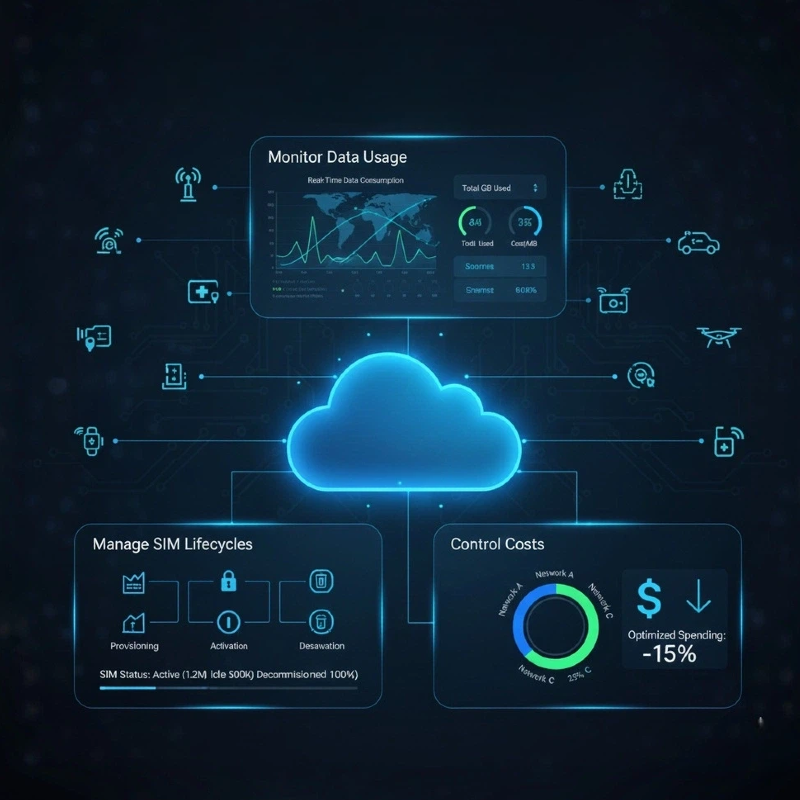
Through eSIM solutions for businesses, companies can manage connected devices more efficiently. Different industries can select suitable eSIM functions based on operational requirements, device conditions, and service strategies.
How BHDC Helps Select Suitable eSIM Options for Different Devices
Choosing an eSIM depends on the device environment, expected service period, and business objectives. Consumer products, industrial equipment, and vehicles may require different connection approaches.
Based on different application scenarios, BHDC provides eSIM options for consumer, industrial, and automotive applications. Consumer-level solutions are suitable for devices that prioritize convenient activation, flexible deployment, and cost consideration.
Industrial-level eSIM options are designed for applications that require long-term operation, remote management, and stable connectivity. These solutions can support connected equipment used in industrial environments where maintenance efficiency is important.
Automotive applications have their own requirements because vehicles usually have longer development cycles and operate under changing conditions. Vehicle manufacturers and OEM companies need communication components that can support reliable vehicle connectivity over extended periods.
BHDC provides customized support covering configuration planning, technical coordination, and delivery management. Our approach helps customers choose suitable eSIM solutions according to their product requirements.
Building the Right eSIM Strategy for Future IoT Development
Consumer IoT and Industrial IoT both connect devices, but they serve different communication requirements. Consumer products value convenience, user experience, and cost efficiency, while industrial systems focus on stability, management efficiency, and long-term operation.
When businesses select eSIM technology, they need to evaluate device location, operating conditions, and future maintenance plans. These factors influence whether a consumer, industrial, or automotive-oriented solution is more suitable.
With our technical background in chip technology and electronic system integration, BHDC supports customers across telecommunications, automotive, IoT, and other connected industries. We focus on providing practical connection options based on real application needs.
The right eSIM solution can help companies develop connected products that match their specific application requirements. As more industries adopt IoT technologies, flexible and reliable eSIM connectivity will continue to enable digital communication and device management.