













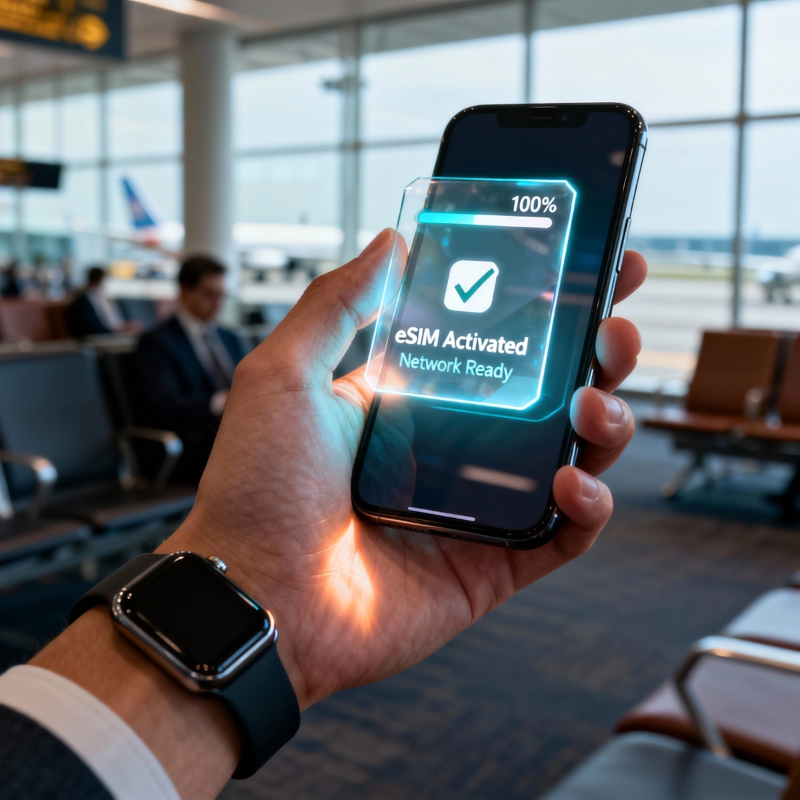






When a smartphone connects to a mobile network, it relies on a SIM card to verify the user’s identity and enable communication services. It allows devices to identify subscribers, communicate with operators, and access cellular services. Although users often focus on the device itself, the SIM provides essential information that enables network authentication and connectivity.
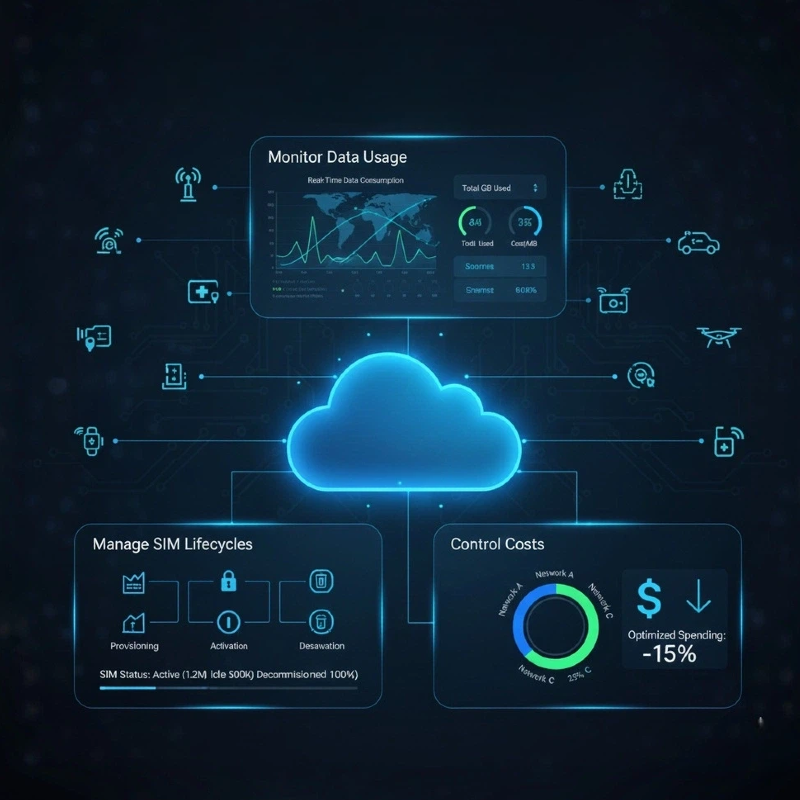
For enterprises developing connected products, understanding how SIM technology works helps them design more suitable connectivity strategies for devices that require remote monitoring, real-time data transmission, and stable network access. In applications such as IoT terminals, vehicles, payment devices, and mobile equipment, SIM card solutions provide the connectivity foundation between hardware and cellular networks.
What Information Is Stored Inside a SIM Chip?
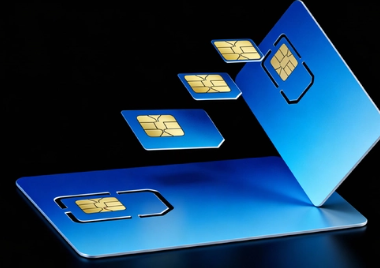
A SIM chip stores several types of information that are necessary for cellular communication. One common type is user identity information, such as the International Mobile Subscriber Identity (IMSI), handled under operator authorization and security controls. This information allows the operator network to identify a subscriber and match the device with the related mobile service.
The SIM also stores operator parameters. These settings contain information needed for communication with a specific network environment. They help devices recognize available services and complete the connection process with the operator.
Authentication keys are another important element stored in the SIM. These keys are used during the identity verification process between the SIM and the operator network. They allow the network to confirm whether a device has valid access permission while protecting sensitive information.
For a SIM card manufacturer, accurate data management and secure programming are important parts of SIM production. The information stored in the chip must match the requirements of operators and device developers to support stable cellular communication.
How Devices Complete Authentication Through SIM Cards
When a device is switched on, the SIM begins working with the communication module inside the device. The device first reads the SIM information and prepares a connection request according to the available cellular network environment.
The device then sends identification information to the operator network. The network checks the subscriber information stored in its system and compares it with the authentication data provided through the SIM.
During this stage, the SIM and network exchange verification information based on the stored security keys. After the identity check is completed, the network allows the device to register and access approved cellular services.
This authentication process happens automatically during normal operation. For connected products such as smart terminals and vehicle systems, this process supports reliability-focused communication between devices, networks, and management platforms.
How SIM Cards Support Voice, SMS, and Mobile Data Services
SIM cards support different cellular services by providing identity information required by the network. The SIM itself does not transmit voice or data directly, but it helps the network recognize the device and provide access to communication functions.
For voice services, the network uses SIM-based identity information to verify the subscriber before establishing a call connection. The operator system manages service permissions and connects communication requests between users.
For SMS services, the SIM allows the network to identify the subscriber and manage message delivery. The network uses subscriber information to route messages to the correct destination.
For mobile data services, the SIM helps devices register with cellular networks and create communication channels for data exchange. Smartphones, industrial equipment, and IoT terminals rely on this process to send and receive information through mobile networks.
As industries adopt more connected devices, the role of customized SIM card solutions continues to expand. Different applications require different configurations depending on device structure, network requirements, and usage scenarios.
Common Applications and BHDC SIM Solutions for Connected Devices
SIM technology is used in many business scenarios where devices need stable cellular communication. For mobile operators, SIM cards support subscriber identification and network service management. For IoT companies, SIM cards help sensors, terminals, and connected equipment exchange data through cellular networks.
In the automotive industry, SIM solutions are commonly used in connected vehicles and smart transportation applications. Vehicle manufacturers and OEM companies may require SIM products with suitable configurations for different vehicle platforms and service environments.
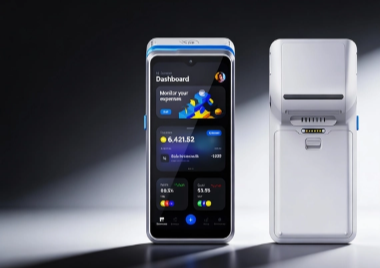
Mobile terminals are another important application area. Smart devices, payment terminals, and industrial handheld equipment need SIM-based connectivity to communicate with cloud platforms or service systems. Different terminals may require different SIM specifications and data settings.
BHDC provides customized SIM services for business customers. Our capabilities include SIM customization, data configuration, production coordination, and delivery support. We work with customers from different industries to develop suitable connection solutions according to their application requirements.
How Customized SIM Services Support Different Business Needs
Different industries have different requirements for SIM deployment. Some projects may focus on large-scale device connection, while others may require specific configurations for particular terminals or service environments.
A professional SIM card manufacturer needs to consider chip quality, data management, security standards, and production coordination. These factors influence the reliability of SIM products during long-term use in business applications.
With experience in secure identity technology and electronic system integration, BHDC supports customers through flexible SIM development and delivery processes. The company also provides related capabilities across chip modules, smart hardware, system platforms, and connection services.
From mobile communication to industrial IoT, SIM technology continues to connect physical devices with digital networks. Through customized SIM card solutions, enterprises can develop connected products that meet different application requirements.
Connecting SIM Technology with Future Digital Applications
When a device connects to a mobile network, the SIM card provides the stored credentials and authentication functions needed for network access. The data inside the chip helps devices complete identity verification and establish connections with cellular networks.
For companies in telecommunications, finance, automotive, and IoT industries, choosing suitable SIM technology is an important part of product development. Working with an experienced SIM card manufacturer helps businesses manage technical requirements and application differences.
Through the integration of smart card manufacture and electronic system capabilities, BHDC continues to support customers in building secure and flexible connectivity solutions. As connected applications continue to develop, SIM technology will remain an important foundation for communication between devices and networks.