










Modern connected devices require reliability-focused identity management and data protection. In mobile communication, IoT, payment, and automotive applications, different security technologies are used to protect digital identities and support trusted connections. BHDC focuses on helping business customers understand these technologies and select suitable solutions.
SIM, eSIM, and Secure Element technologies each serve different roles in digital ecosystems. Understanding their differences helps companies plan safer device deployment and choose suitable digital security solutions for different application needs. Our experience in chip modules, smart hardware, and system platforms supports customers with practical application planning.

Basic Concepts of SIM, eSIM and Secure Element
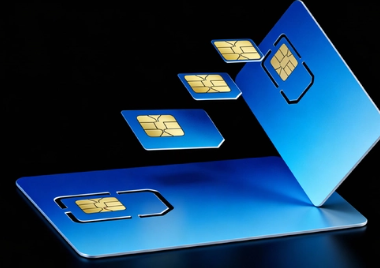
A SIM card is a physical module used to identify subscribers and connect devices to mobile networks. It stores subscriber information and allows communication between a device and an operator network. Traditional SIM cards are widely used in mobile phones and many industrial devices.
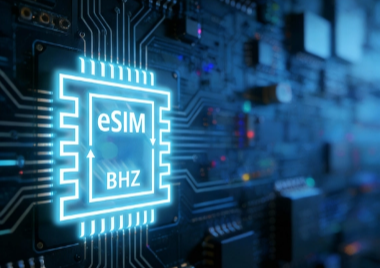
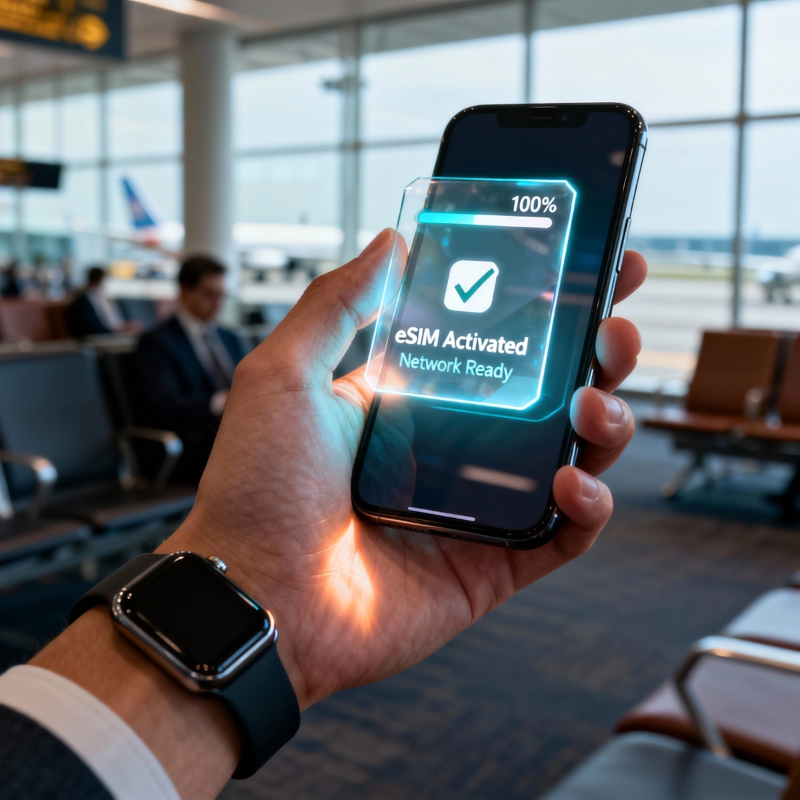
An eSIM is an embedded SIM technology built directly into a device. Unlike a removable card, it allows network profiles to be downloaded and managed remotely. This feature makes eSIM suitable for devices that require flexible connection management during their service life.
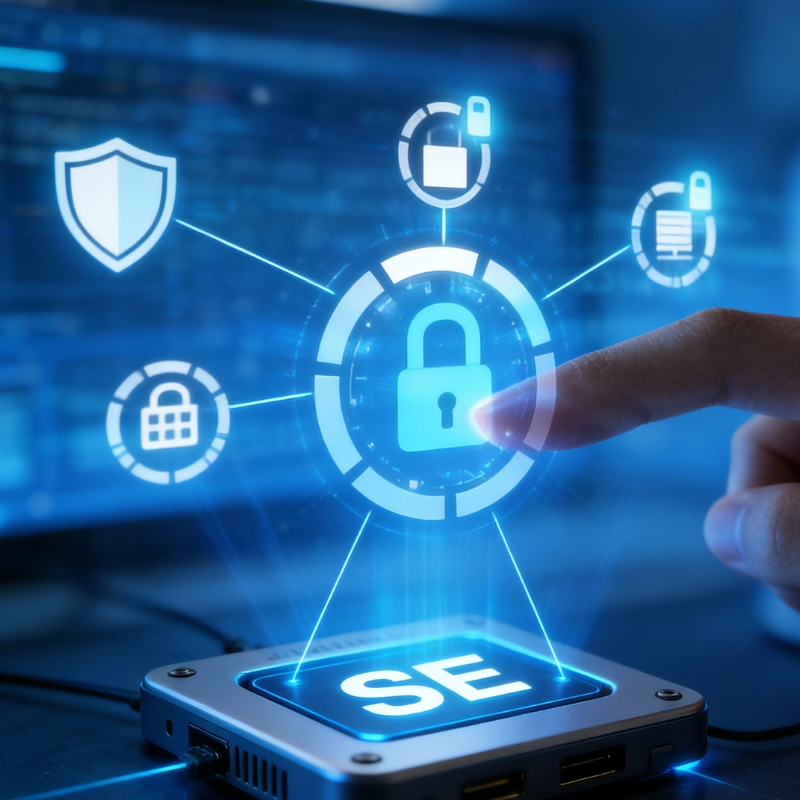
A Secure Element is a dedicated security component designed to protect sensitive information such as cryptographic keys and authentication data. It can be integrated into different devices to support trusted operations. Secure Elements are commonly considered in applications that require strong identity protection.
Comparing Physical Form and Configuration Methods
SIM and eSIM mainly focus on subscriber identity and network access. The main difference is their physical form and management method. A SIM can be replaced manually, while an eSIM is integrated into hardware and supports remote profile management.
Secure Element has a different role from SIM technologies. It is not mainly designed for network subscription management. Instead, it provides a protected environment for storing and processing security-related information inside devices.
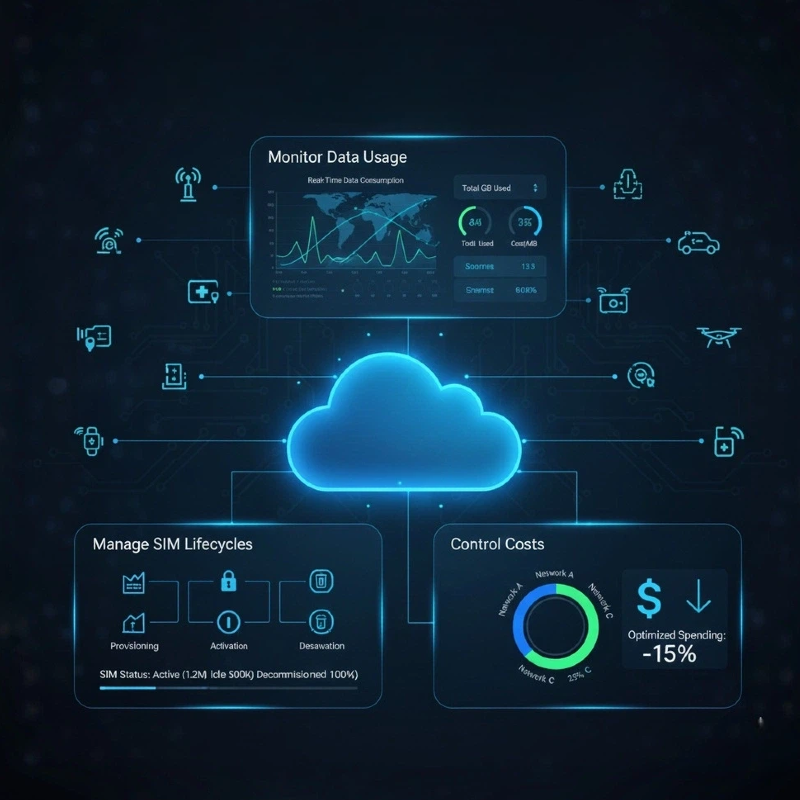
From a configuration perspective, eSIM provides more flexibility for large-scale device management. Companies operating many connected devices can benefit from remote configuration processes.
Security Functions Across Connected Applications
Security requirements vary between industries. Mobile devices, payment terminals, and IoT equipment may require different identity and protection methods. A suitable technology choice depends on the device structure, communication method, and application environment.
SIM and eSIM provide network identity functions, while Secure Element focuses on protecting sensitive assets. In some applications, these technologies can work together to provide stronger protection for connected products.
Businesses exploring digital security solution options often evaluate identity authentication, remote management, and device lifecycle requirements. This evaluation helps companies choose a technology combination that matches their operational needs.
Selecting Technology for Mobile and IoT Devices
For smartphones and tablets, SIM and eSIM are commonly used for cellular connection. Users and operators can select the appropriate option based on device design and service requirements. eSIM is useful for products that need compact structures or flexible connectivity.
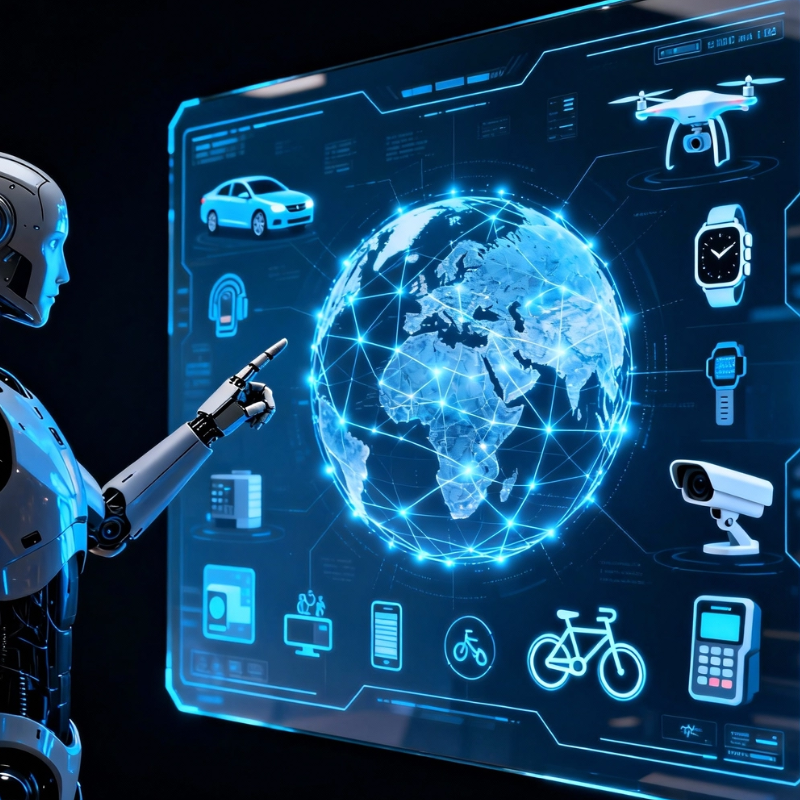
For IoT devices, eSIM can support remote connection management across distributed equipment. This is valuable for applications such as smart devices, industrial equipment, and connected terminals that operate in different locations.
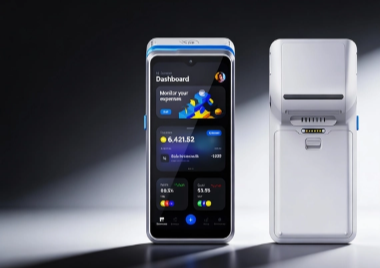
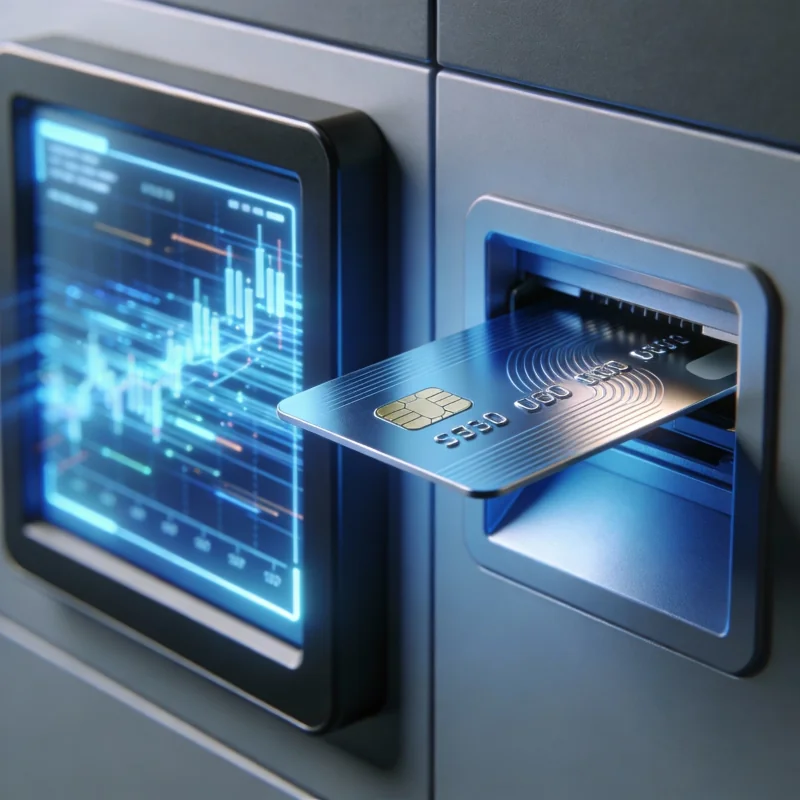
Payment terminals require careful protection of transaction-related information. Secure Element technology can support secure storage functions for sensitive data.
Supporting Automotive and Industrial Connections
Connected vehicles involve communication, identity management, and data protection needs. Automotive companies often consider technologies that support reliable connections and secure device operations. The selection depends on vehicle architecture and connected service plans.
Industrial customers need flexible solutions for different equipment types. OEM companies may require technology combinations that fit their hardware designs and production processes. Careful planning helps create stable connection systems for long-term device operation.
BHZ Solution Portfolio for Business Applications
BHZ provides solutions based on customer requirements for connection management, identity authentication, and device integration. Our capabilities include chip modules, smart hardware, system platforms, and managed services that support different industries.
Instead of using one fixed approach, we consider application conditions before suggesting suitable product combinations. Mobile communication, IoT devices, payment equipment, and automotive projects may require different solution structures.
Building Flexible Security Architectures for Customers
Modern digital services require cooperation between hardware components and software platforms. Companies need solutions that can support device identity, secure connection, and operational management throughout product lifecycles.
With certifications and industry experience, BHZ supports customers in fields such as telecommunications, finance, energy, and transportation. Our approach focuses on matching technology choices with practical business requirements.
For enterprises developing connected products, selecting suitable digital security solutions is an important step in building trusted digital services. Different technologies can provide different functions depending on the application scenario.
Choosing the Right Technology Path
SIM, eSIM, and Secure Element are designed for different purposes. SIM and eSIM focus on network identity, while Secure Element focuses on protecting sensitive information. Their roles can complement each other in modern connected environments.
Through our product capabilities and application experience, BHZ helps customers evaluate suitable approaches for various devices and industries. We continue to support partners with solutions that connect security requirements with real application needs.
These technologies help businesses develop strategies for future device deployments, especially when managing connected devices in areas such as industrial equipment, smart terminals, and IoT applications. With proper planning, companies can develop connected products with reliable identity management and security features. Our goal is to provide practical digital security solutions that help businesses improve device protection and application management. BHZ supports customers in developing secure and connected digital systems. We will continue to support customers in building secure and connected digital applications.