










Digital identity technologies have evolved from subscriber authentication into trusted identity mechanisms for connected devices and digital services. In the early stage, SIM cards mainly provided subscriber authentication for mobile communication networks. Today, eSIM and Secure Element technologies support more digital identity applications, including connected vehicles, payment services, and IoT devices. BHZ combines secure chip solutions, smart hardware integration, and system capabilities to support trusted identity authentication and protected connections for industry customers.

The Evolution from SIM-Based Identity to Digital Identity
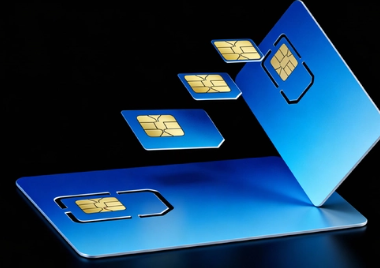
SIM technology has played an important role in mobile communication by storing subscriber information and authentication data. When a device connects to a cellular network, the SIM helps verify user identity through secure authentication processes. This model created the foundation for trusted communication between users, devices, and networks.
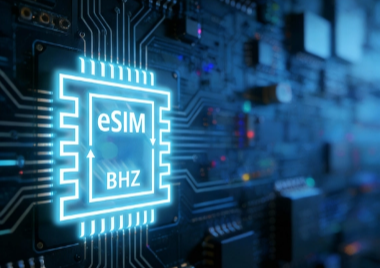
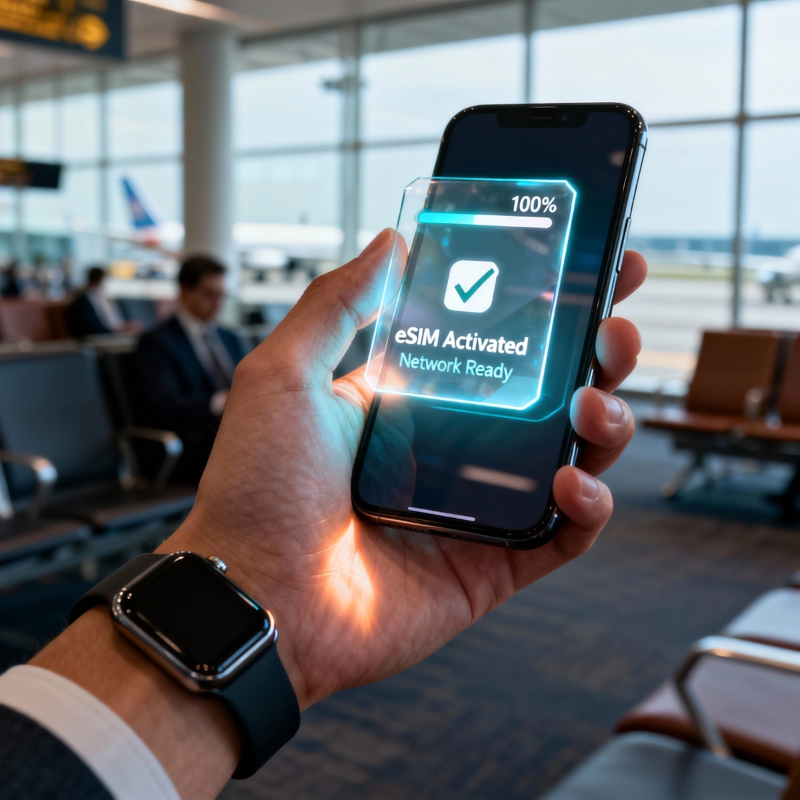
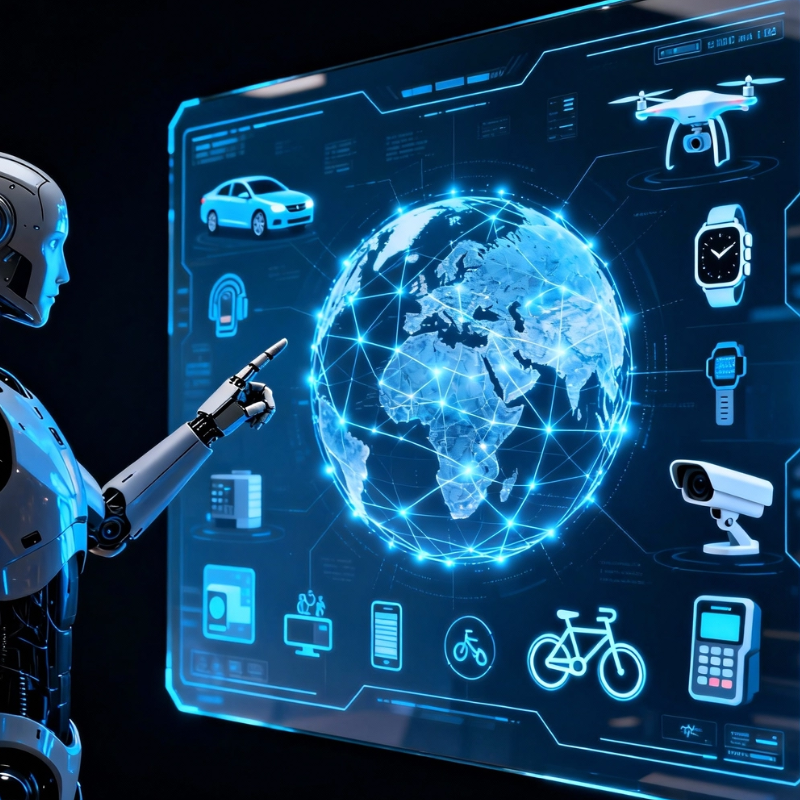
With the expansion of IoT and smart devices, identity management requirements have become more diverse. Devices now need secure methods to connect with platforms, networks, and digital services. eSIM technology allows identity information to be embedded into devices, providing more flexible management options for manufacturers and operators.
How eSIM Expands Connected Device Authentication
Unlike removable SIM cards that rely on physical replacement, eSIM technology enables network profiles to be securely stored and remotely managed within an embedded UICC, allowing devices to manage connectivity without changing a physical card. This makes it suitable for devices that require long-term connectivity, such as vehicles, industrial equipment, and smart terminals.
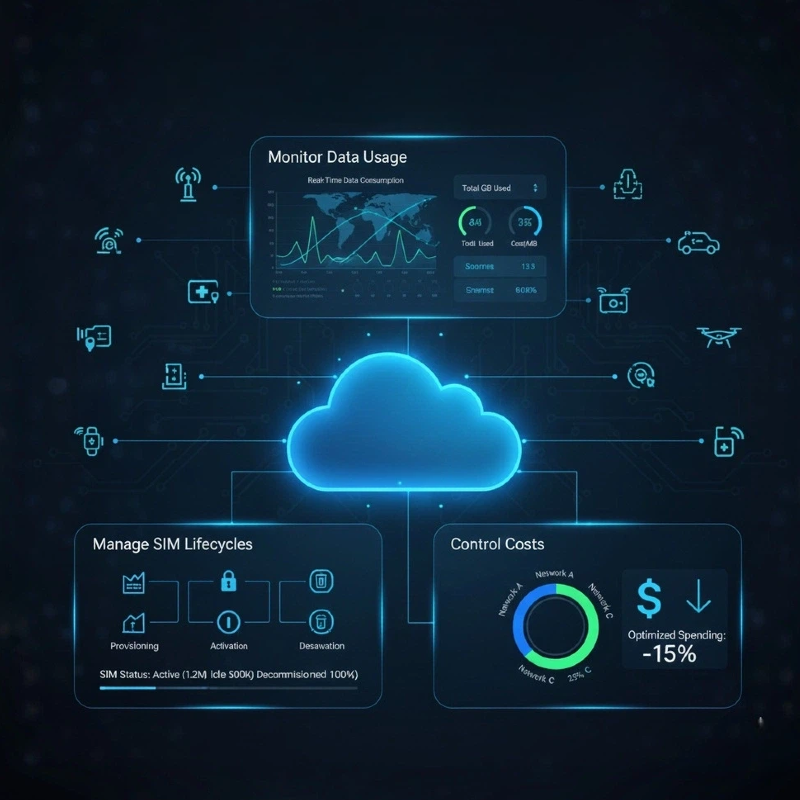
The development of eSIM also changes how companies manage connected products. Device manufacturers and operators can support remote profile updates and flexible connectivity management according to different application requirements. These functions are important for industries that need stable connections across large numbers of devices.
As digital ecosystems continue to expand, companies require reliable digital security solutions to protect identity information during device communication. Secure identity technologies provide the foundation for trusted connections between hardware, networks, and service platforms.
Secure Element Protects Credentials and Authentication Keys
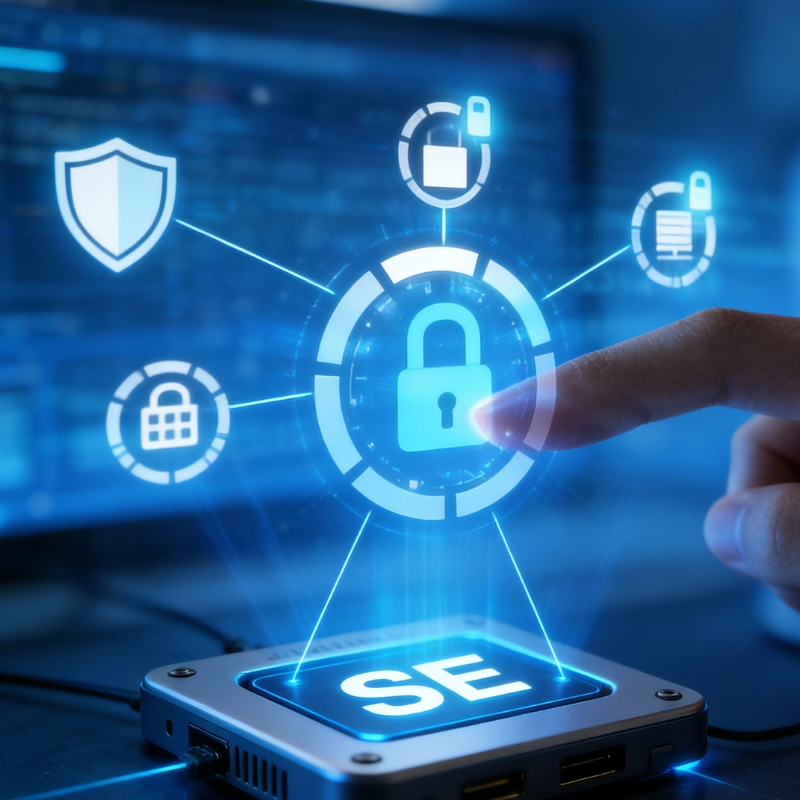
Secure Element technology provides a dedicated hardware environment for protecting sensitive information. Identity credentials, encryption keys, and digital certificates can be stored and processed inside this protected area instead of general storage locations.
During authentication, Secure Elements use cryptographic functions to verify identities and support secure communication. This helps reduce the possibility of unauthorized access, credential copying, or improper modification of important data. The technology is widely used when devices need stronger protection for identity-related operations.
For digital services, security is not only about storing information but also about managing how credentials are created, updated, and used. A suitable digital security solution can help organizations build a more reliable identity management process across different devices and applications.
Protecting Digital Credentials in Real Applications
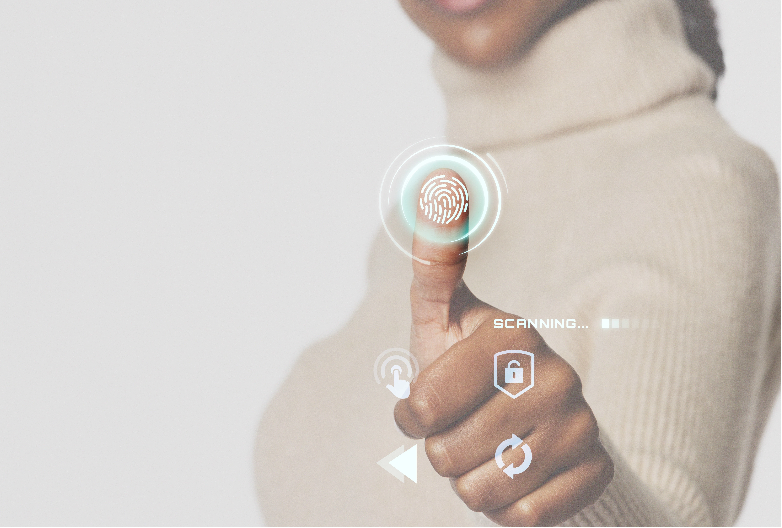
In practical systems, digital credentials act as proof of identity for users, devices, or services. Before allowing access, a platform needs to confirm whether the presented information matches the trusted credentials stored in a secure environment.
For example, connected devices may use protected keys to complete authentication before communicating with a network platform. This process allows devices to prove their identity without exposing sensitive information. It is especially valuable for industries where device trust and data protection are important.
Credential lifecycle management is also a key consideration. Enterprises may need to issue, update, or replace credentials throughout a product’s service period. Secure hardware and management platforms work together to support these changing requirements.
Applications Across Communication, Payment, and Automotive Fields
Secure identity technology has become an important part of many industries. In communication services, SIM and eSIM technologies support trusted network access for users and connected devices. Operators can use these technologies to manage identities across different connection scenarios.
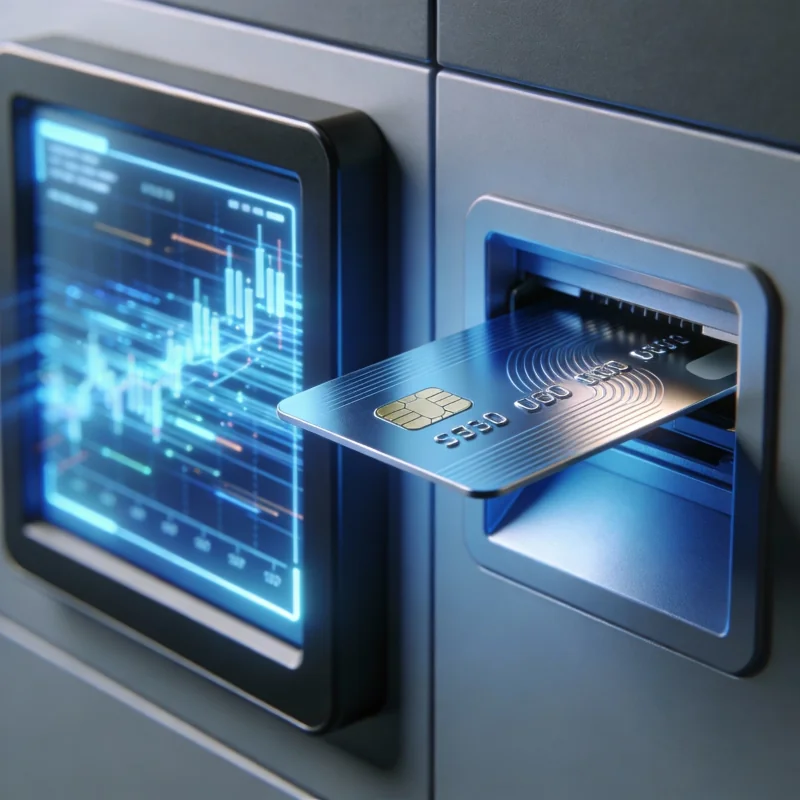
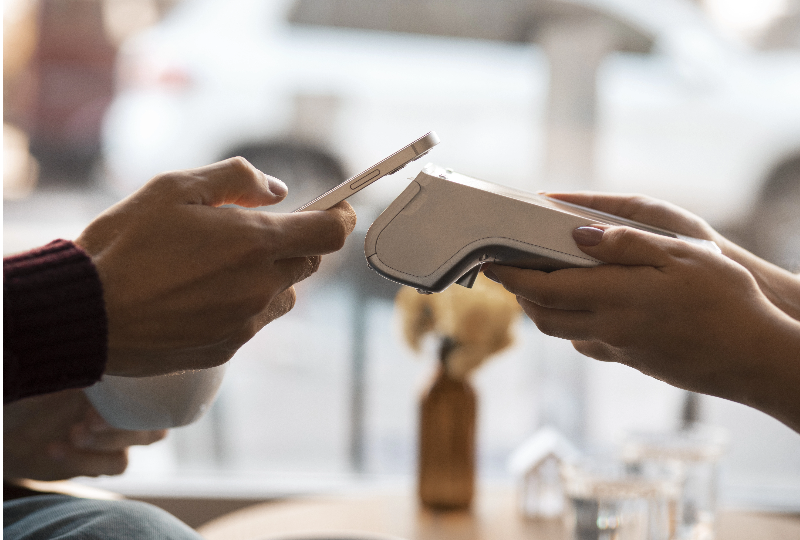
In financial applications, secure hardware helps protect payment credentials and supports transaction-related credential protection when integrated with applicable payment and compliance controls. Banks, third-party payment platforms, and fintech companies require reliable identity mechanisms when developing digital payment services.
The automotive industry is also adopting digital identity technologies. Vehicle digital keys rely on secure authentication methods to verify authorized users and devices. For OEM companies and vehicle manufacturers, protected identity solutions support new connected vehicle functions.
BHZ’s Capabilities in Secure Identity and IoT Connectivity
BHZ combines long-term experience in smart card technologies, secure applications, and electronic system integration. We provide support covering modules, smart hardware, system platforms, and related services for industry customers.
Our technologies include SIM, eSIM, Secure Element, and identity authentication capabilities. We serve customers in communication, finance, energy, transportation, and other fields where trusted digital connections are required. Our solutions are designed for operators, banks, vehicle companies, OEMs, and technology enterprises.
BHZ has obtained certifications and industry recognitions including ISO9001, ISO14001, ISO45001, ISO27001, GSMA SAS-UP, and IATF 16949 automotive quality system certification. These qualifications support our ability to provide reliable identity and connection technologies for different business environments.
Supporting the Future of Trusted Digital Identity
The development from traditional SIM cards to Secure Elements reflects how digital connectivity has driven continuous improvements in identity security and device management. Network authentication has developed into broader identity protection for connected devices, payment systems, and smart applications.
BHZ develops secure identity technologies designed to support flexible connectivity and digital service integration. By integrating secure card OS architecture, hardware-level protection, and system integration capabilities, we support customers in building trusted connection environments. As industries explore new digital applications, choosing suitable digital security solutions helps organizations manage identity protection and connected services more effectively.