
BLOGS
Why Businesses Are Moving from Physical SIMs to eSIMs
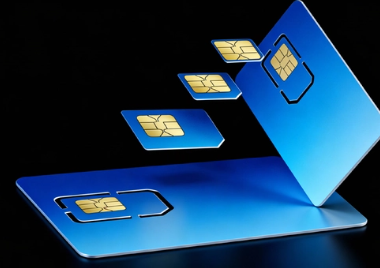
Physical SIMs and eSIMs differ not only in how connectivity is delivered, but also in how businesses handle devices before and after deployment. A physical















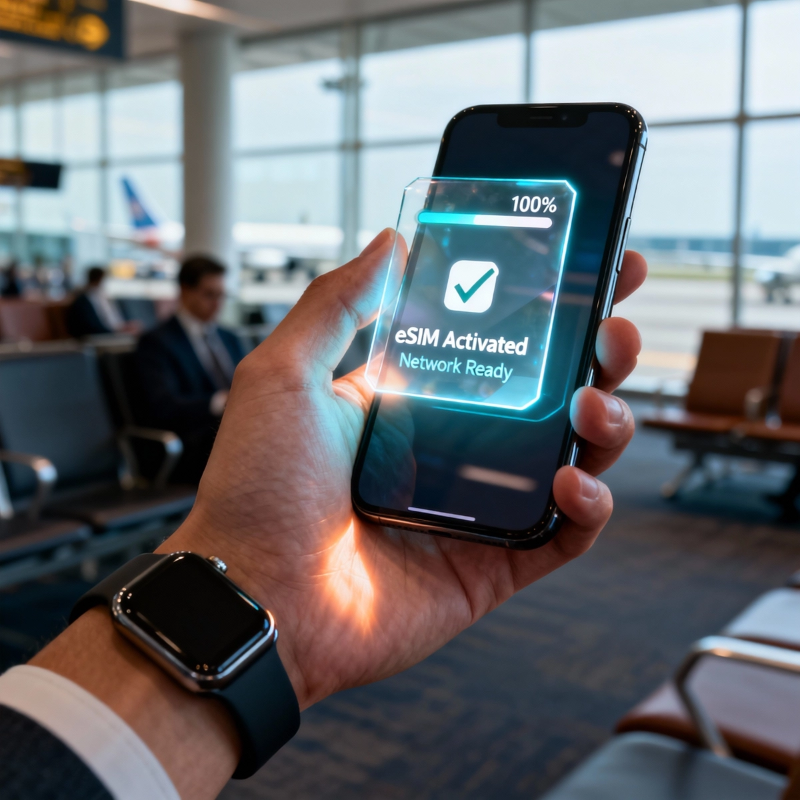






Physical SIMs and eSIMs differ not only in how connectivity is delivered, but also in how businesses handle devices before and after deployment. A physical

As more connected products enter global markets, enterprises need flexible connectivity solutions that can support different deployment environments and long-term operation requirements. An eSIM solution
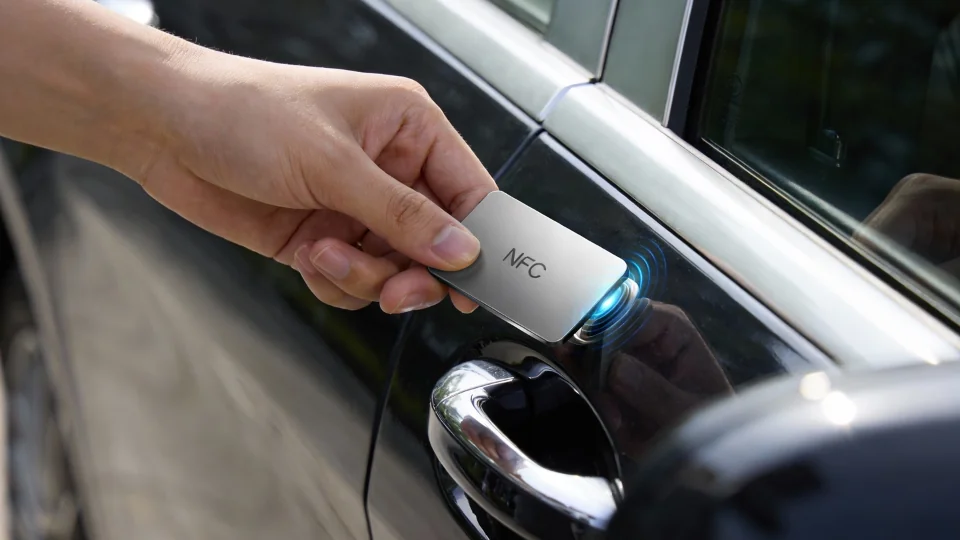
For automotive OEMs, an NFC car key is part of the physical interaction between the driver and the vehicle. Its appearance can therefore influence how

As automotive access technology continues to evolve, car brands have more options when designing vehicle entry solutions. Traditional key fobs have been widely adopted because

As vehicles become smarter and more connected, automotive access methods are evolving from traditional keys to digital solutions that combine convenience with additional security protection. The

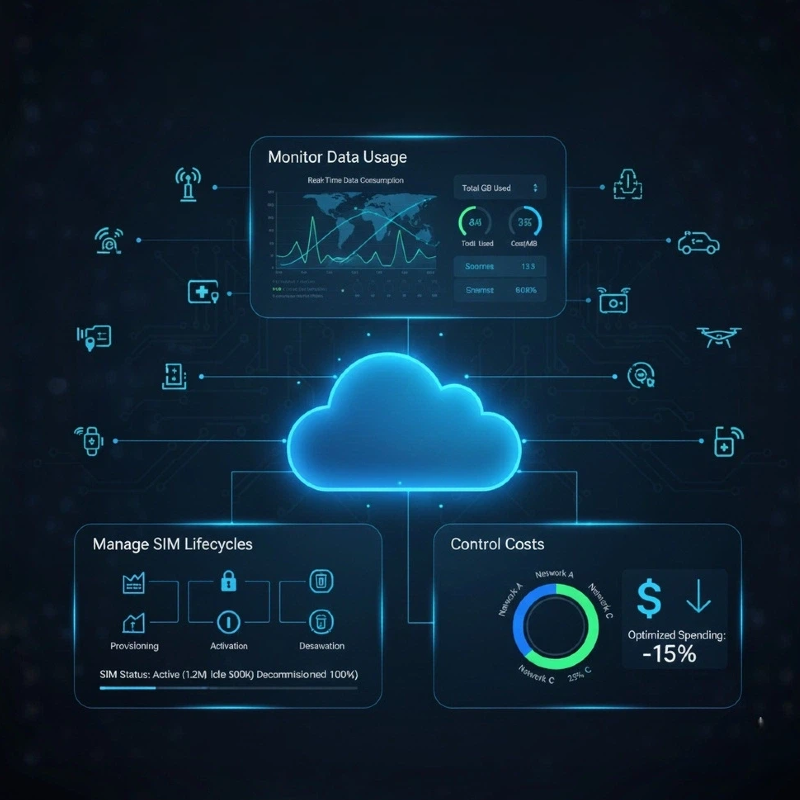
As enterprises continue to deploy connected devices on a larger scale, managing hundreds or thousands of devices has become increasingly complex. Different devices may operate

Selling connected devices across multiple countries can make SIM management difficult for OEMs. Different markets may involve different mobile operators, SIM requirements, and connectivity arrangements,

The expansion of IoT applications has created new challenges for device connectivity management. When thousands or even millions of devices are deployed across different regions,

Choosing a global SIM supplier is an important decision for companies that depend on secure connectivity and reliability-focused authentication. Mobile network operators (MNOs), MVNOs, and